Unveiling Radiance: A Comprehensive Guide to Treating the “Ozempic Face” with Dermal Fillers
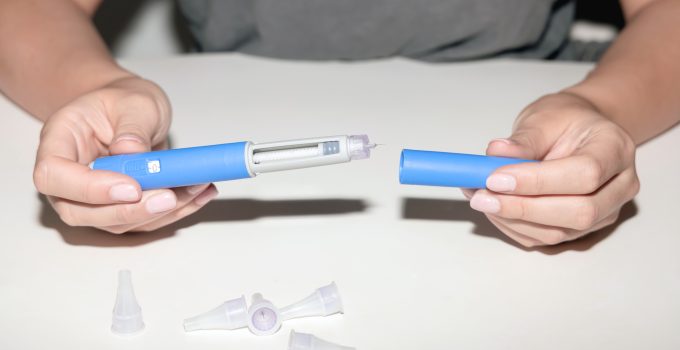
The glucagon-like peptide-1 (GLP-1) receptor agonist class includes Ozempic, whose scientific name is semaglutide.

The glucagon-like peptide-1 (GLP-1) receptor agonist class includes Ozempic, whose scientific name is semaglutide.

As medical aesthetics advances, a new phenomenon has emerged: the “Ozempic Face.” Named after the popular injectable medication used to manage diabetes, this term refers to the facial changes that some individuals experience while using Ozempic. Though the medication offers numerous health benefits, unintended aesthetic consequences, such as facial volume loss and sagging, have prompted many to seek cosmetic solutions. In this comprehensive guide, we will explore the “Ozempic Face” concept and delve into how dermal fillers can effectively address these concerns, restoring youthful contours and harmony to the facial features.

Understanding the “Ozempic Face”

Ozempic, scientifically known as semaglutide, belongs to the class of glucagon-like peptide-1 (GLP-1) receptor agonists. While Ozempic primarily aims to regulate blood sugar levels in individuals with type 2 diabetes, some users have reported changes in facial appearance over time. Commonly observed features include loss of facial volume, diminished skin elasticity, and sagging in the midface and cheek areas.

The “Ozempic Face” phenomenon is not universal; individuals may respond differently to the medication. Genetics, age, and overall health contribute to the variation in aesthetic changes experienced. Recognizing the impact of Ozempic on facial aesthetics has led to the exploration of non-invasive cosmetic interventions, with dermal fillers emerging as a promising solution.

Dermal Fillers: An Overview

As a multipurpose and very effective method of enhancing facial features, reducing the appearance of fine lines and wrinkles, and restoring lost volume, dermal fillers have quickly become integral to non-invasive face rejuvenation procedures. Dermal fillers are injections of a mix of substances, such as hyaluronic acid, calcium hydroxylapatite, and poly-L-lactic acid, making some areas look better while keeping their natural texture.

The application of dermal fillers for the “Ozempic Face” involves an artful approach tailored to each individual’s unique facial anatomy and concerns. Let’s delve into how dermal fillers can address the aesthetic changes associated with Ozempic use.

Restoring Facial Volume

One of the primary aesthetic concerns associated with the “Ozempic Face” is the loss of facial volume, particularly in the midface and cheek areas. Dermal fillers excel at restoring volume by replenishing the natural substances that diminish with age, such as hyaluronic acid. Strategic placement of fillers in the cheeks and midface lifts sagging skin and enhances facial contours, creating a more youthful and harmonious appearance.

Expert injectors understand the importance of balance when addressing volume loss. Over-filling can lead to an unnatural and disproportionate look, while under-filling may not achieve the desired rejuvenation. Achieving the right balance requires a thorough assessment of the individual’s facial structure and a customized approach that considers the specific areas affected by the “Ozempic Face.”

Lifting Sagging Skin

Sagging skin is a common concern associated with the “Ozempic Face,” affecting the midface and jowl areas. Dermal fillers offer a non-surgical solution for lifting and tightening sagging skin, providing a subtle yet noticeable improvement. Hyaluronic acid-based fillers, in particular, have hydrating properties that promote collagen production, contributing to improved skin elasticity over time.

The strategic placement of fillers in areas prone to sagging, such as the nasolabial folds and marionette lines, can create a lifting effect, restoring a more youthful contour to the lower face. This approach requires a nuanced understanding of facial anatomy and an artistic eye to achieve results that look both natural and rejuvenated.

Enhancing Facial Contours

Beyond addressing volume loss and sagging, dermal fillers can be used to enhance specific facial contours, creating a more balanced and aesthetically pleasing appearance. Areas such as the chin, jawline, and temples can benefit from precise filler placement to achieve a harmonious facial structure.

For individuals experiencing changes in facial contours due to the “Ozempic Face,” an expert injector will assess the areas that need enhancement and tailor the filler treatment accordingly. This may involve sculpting the chin for better definition, adding subtle volume to the temples, or refining the jawline for a more refined profile.
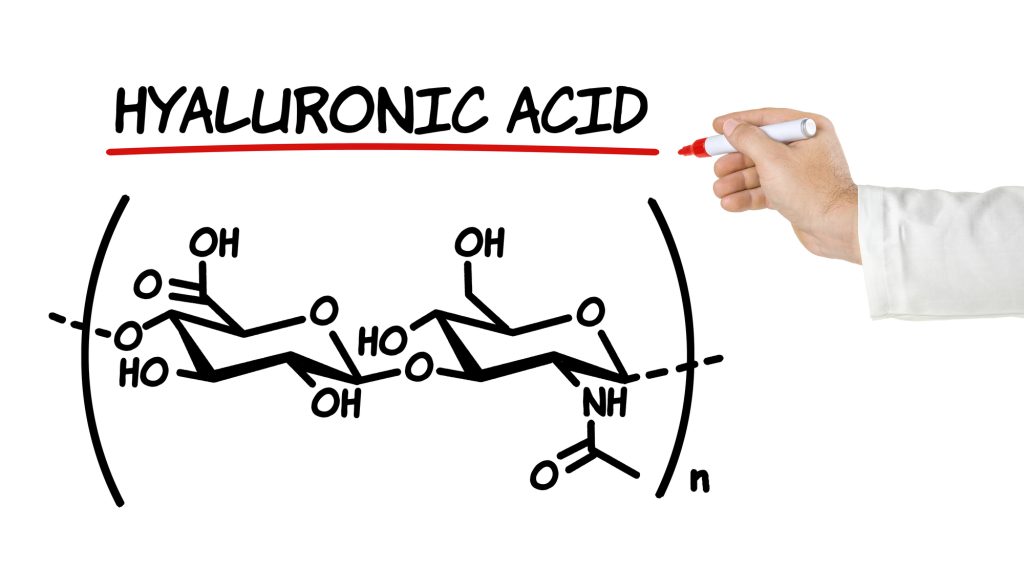
One common option for dealing with volume loss and fine lines is hyaluronic acid fillers.

One common option for dealing with volume loss and fine lines is hyaluronic acid fillers.

Choosing the Right Filler for You

The effectiveness of dermal filler treatments for the “Ozempic Face” lies in selecting the right filler formulations based on individual needs and desired outcomes. Different fillers offer unique properties and consistencies, making them suitable for specific concerns and areas of the face.

Hyaluronic acid fillers are popular choices for addressing volume loss and fine lines. These fillers provide immediate results with minimal downtime, making them convenient for those with busy lifestyles.

Fillers made of calcium hydroxylapatite are a stronger way to restore deeper volume and stimulate collagen. This type of filler is ideal for individuals seeking longer-lasting results in areas prone to significant volume loss.

Poly-L-lactic acid fillers stimulate collagen production over time, gradually improving facial volume and elasticity. This approach suits those who prefer a subtler, more natural-looking enhancement.

The choice of filler is a collaborative decision between the patient and the injector, taking into account the individual’s goals, preferences, and the specific concerns associated with the “Ozempic Face.”

Consultation and Customization

A crucial step in addressing the “Ozempic Face” with dermal fillers is the initial consultation with a skilled and experienced injector. During this consultation, the injector will conduct a thorough assessment of the individual’s facial anatomy, discussing concerns, goals, and expectations. This collaborative dialogue is essential for developing a customized treatment plan that addresses the unique aesthetic changes associated with Ozempic use.

The consultation is also an opportunity for the injector to educate the patient on the dermal filler process, including potential side effects, expected outcomes, and post-treatment care. Open communication ensures that both parties are aligned in their expectations and contributes to a positive and satisfying treatment experience.

Combining Treatments for Optimal Results

In some cases, addressing the “Ozempic Face” may require a combination of treatments to achieve optimal results. While dermal fillers effectively restore volume and enhance contours, complementary procedures such as neuromodulators (e.g., Botox) and skin-tightening treatments may be recommended to address specific concerns, such as dynamic wrinkles and skin laxity.

Neuromodulators can be strategically injected to relax facial muscles, minimizing the appearance of fine lines and wrinkles. Combining neuromodulators with dermal fillers can create a comprehensive and harmonious rejuvenation, addressing both static and dynamic aspects of facial aging.

Skin-tightening treatments, such as ultrasound or radiofrequency devices, can enhance overall results by promoting collagen production and improving skin elasticity. These non-invasive procedures work synergistically with dermal fillers to create a more youthful and lifted appearance.

Conclusion

The “Ozempic Face” presents a unique set of aesthetic challenges that individuals using the medication may encounter. Fortunately, dermal fillers offer a versatile and effective solution for addressing the specific concerns associated with Ozempic use, including facial volume loss, sagging, and changes in facial contours. When considering dermal filler treatments, consulting with an experienced and skilled injector who can tailor a personalized approach to achieve natural-looking and rejuvenated results is crucial. Through a combination of artistry, precision, and customization, individuals can reclaim their radiance and confidently navigate the journey toward facial rejuvenation.
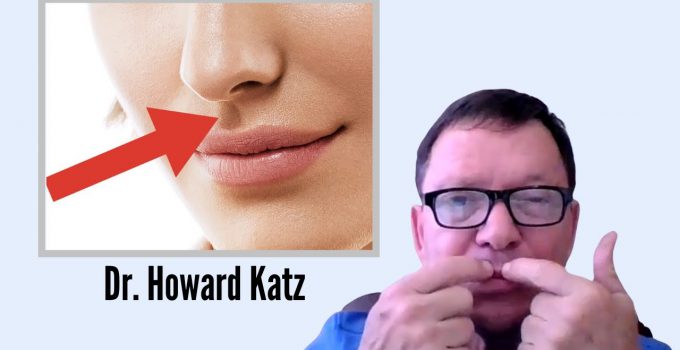
Botox Injection under the Nose

Regardless of whether you’re trying to correct a gummy smile, enhance someone’s natural happiness, or give them a lip flip, be sure the patient has normal lip function before you begin any procedure.

This is achieved by having your patient pucker his lips. The Cupid’s bow, the V in the center of the top lip, needs to stay in the same spot on the face.

When the patient puckers, the Cupid’s bow that slips to one side signifies that one side of the lip is broken.

And if you use any of the treatments we outlined, your patient will be unable to have lip competency, which means they will drool when they drink.

Make sure the V of the Cupid’s bow is in the middle of the patient’s face before beginning any lower face treatments.

FAQ about Lip Injections: How Can You Give Your Customers Natural-Looking Lips?

Filler injected lipsLip injections do not have to result in inflated lips that look worked on when done by a well-trained skilled injector. Natural lip fillers, on the other hand, allow for the creation of results that appear realistic by delaying the indications of age and providing plumpness and symmetry that some patients may have never had before. Natural-looking lip fillers are now available, and they can outperform previous treatments in terms of outcomes. 

You may find the following commonly asked questions regarding lip injections and natural lip fillers useful: 

How are lip injections done?

Depending on the state, lip injections can be performed at a doctor’s or dentist’s office, as well as in a spa setting if it is permitted by law. Using a small needle, each treatment takes only a few minutes and is injected into the dermal layers of the skin. There should be little or no discomfort, although a topical numbing cream, ice, or other topical anesthetics may be used before the procedure to minimize discomfort. The injection sites may be sensitive, red, and perhaps a little swollen after being injected. It is also possible to have bruising or bumpiness at the injection site. These side effects are typically modest and disappear within a short period. 

Is it possible to see results quickly with the natural-looking lip fillers available today? 

Patients will notice a difference as soon as the therapy is completed. Because part of the hyaluronic acid is absorbed fast, injectors frequently inject just a little bit more of the dermal filler than they estimate the patient requires. This implies that your lips may appear larger than usual for a few days. However, the fullness eventually subsides, and the effects might linger for several months. The effects of Volbella XC might persist for up to a year if used properly. Maintenance injections can assist the patient in maintaining their full, young appearance for as long as they like. 

What is Juvéderm Volbella XC, and how does it work? 

Volbella XC is the newest addition to the Juvéderm dermal filler collection, and it’s the best natural lip filler on the market. Hyaluronic acid is present, which helps to maintain and smooth the outer dermis. This chemical is generally prevalent in the body and aids in the hydration of skin cells by allowing them to bond with water. Our bodies naturally produce less hyaluronic acid as we age, resulting in dryness, laxity, and volume loss in the face, hands, and other regions that Volbella XC injections can restore for up to a year. 

What is Restylane used for? 

Restylane Refyne, which gives high volume definition coupled with natural flexibility that mixes with a patient’s own natural expressions for excellent results, maybe the ideal treatment for the big wrinkles around the mouth. Restylane is a dermal filler that, like Volbella XC, may be used to volumize lips that have lost volume as a result of fat loss and have fine lines and creases. It is often used to restore a great deal of volume while allowing for natural mobility. On the other hand, Restylane is different since it gives injectors greater control over how dramatic the results are. It is also a hyaluronic acid filler that is particularly well suited for the lips. 

Who isn’t a good candidate for lip injections? 

There are age limits on several types of dermal filler. If you’re above 21, Juvéderm Volbella XC is authorized by the FDA for usage. This product can only use lips and perioral lines above the upper lip. The use of alternative fillers may be appropriate for younger people or other objectives. A patient who has had an unfavorable reaction to hyaluronic acid fillers in the past may benefit more from another type of cosmetic therapy or operation. 

Do you want to learn how to inject dermal fillers like a pro? We are all set to get you up to speed. If you’d like to learn more about dermal filler training, don’t hesitate to get in touch with us right now. 

Is it possible to treat hooded eyes with Botox?

eyelid injectionHooded eyes are a common hereditary trait, but there are a variety of additional circumstances that can play a role in their development in certain individuals. But don’t be deceived by this ruse. Occasionally, those who are affected by this illness may experience health and appearance issues. Patients who suffer from drooping eyelids may experience difficulty seeing in certain circumstances. Contrary to common opinion, Botox can be used to effectively minimize the look of hooded eyes in a variety of situations without the requirement for surgical intervention. 

Those who have been informed that they require blepharoplasty or eyelid surgery may find that Botox injections are a more desirable option than undergoing the procedure. Comparatively, they are less damaging and, in the vast majority of situations, result in faster recovery times with less downtime than surgical procedures. They are, on the other hand, not suitable for all people. For more information on how you might be able to assist your consumers in avoiding surgery and achieving long-term outcomes, please continue reading. 

Recognize Hooded Eyelids 

It is possible to have hooded eyelids (also known as ptosis), which are caused by a weakening in the muscle that is responsible for holding the eyelid up, on rare occasions. Pulling on the eyelids frequently during the day might also be a contributing factor to the problem. It is possible that applying makeup too strongly will cause drooping of the upper eyelids. 

Drooping eyelids are not only a problem for the elderly. Because of neurological issues or facial injuries, children can develop the disorder. Any age can eventually cause enough skin to droop to create visual disruption, which can lead to secondary ailments such as headaches or car accidents as a result of diminished vision. 

How to get rid of hooded eyes using Botox 

In some cases, Botox injections for cosmetic purposes can cause eyelid drooping, as you may already be aware. Why would something that promotes sagging also be effective in relieving it, you might wonder? Although cosmetic Botox injections can cause eyelid drooping if they are administered incorrectly, the injections themselves do not cause eyelid problems if they are performed correctly. If the correct muscles are targeted for therapy with Botox, on the other hand, the procedure can be a successful treatment for hooded eyes. 

When the lids hang lower than they should because of a modest brow droop or low eyebrow alignment, Botox injections for hooded eyes perform nicely. If this is the case, injection should be made into the outside edge of the eyebrow to raise it a tad. As a bonus, this elevates the lid to give the appearance of being more alert while possibly addressing some of your vision concerns. Like all Botox treatments, the effects progressively fade as the muscles restore their original or near-original power after a few weeks or months of treatment. In most cases, the effects of Botox for hooded eyes are gone within two to three months following treatment. 

Not in All Cases 

Botox treatments cannot cure sagging eyelids caused by excess skin, a prominent brow droop, or Botox-induced eyelid droop. In these circumstances, there are no injectable, noninvasive, or minimally invasive therapies that can help. If the drooping caused by these factors causes medical or vision problems or provides an unattractive cosmetic impact, blepharoplasty surgery can remove the excess skin and give long-lasting improvements. 

In cases when the drooping is modest or caused by mild to moderate eyebrow sagging, there is no reason for patients to undergo costly surgery and run the risk of problems that might occur with an intrusive operation. Each patient, on the other hand, must measure their worries against the potential outcomes in order to make an informed decision, and Botox may be an option they haven’t considered before. 

The degree and cause of eyelid drooping might influence whether or not you are able to help. You may discover how to cure drooping eyelids with Botox if you contact us right away. Cosmetic injectables and various medicinal applications of Botox will also be covered in this course. When you learn new skills that make a meaningful impact in people’s lives, you may help patients look, feel, and see their best.

Making the Face Evener by Injecting Chin Fillers

filler corrected chin

It is typical for people to consider their chins to be unsightly. Because of its thinness or length, some individuals are self-conscious about theirs because they feel it is unappealing to others. A shaky chin is a typical problem that people have heard from others. If you know how to do chin filler treatments properly, you can alleviate this widespread condition. 

By scanning the population in a crowded environment, it is simple to see how dermal fillers may transform the appearance of many people. A person’s chin might look out of proportion to the rest of their face, even though each individual has a different chin. Clefts can be smoothed out, lost volume can be supplied, and symmetry can be restored even without surgical intervention. 

Each patient’s surgery can be finished in 15 to 45 minutes and improve a wide variety of facial traits. A person’s chin, according to common perception, is one of the facial characteristics that separates them from others. 

Strong Chins are Important for both Men and Women

Using dermal fillers, a person’s face can undergo a remarkable transformation. A broad and robust jawline is ideal for men, whereas a narrow and rounded jawline is ideal for women. A strong jawline is something that many men strive for, and chin and jawline filler can help them achieve that goal. Clint Eastwood, Viggo Mortensen, and John Travolta are just a few actors with chiselled jawlines to emulate. 

Chin filler is occasionally used as an alternative to chin implants, which are expensive, potentially painful, and need surgical intervention to achieve. When done correctly, chin and jaw filler before and after photographs reveal results that are natural-looking, soft, and not at all masculine in appearance. Dermal filler can also be used to lift a sagging chin or reduce the size of a jumbo-sized nose. Adele, Keira Knightly, and Reese Witherspoon are a few women whose chins are sought.

What Is The Most Effective Chin Dermal Filler? 

Many variables go into selecting the best chin and jawline filler. Radiesse is an FDA-approved calcium-based filler that has been in use since 2010 and produces effects that endure for at least two years. Juvederm and Sculptra are options for other injectors. Radiesse, when correctly injected, can: 

  • Cause the body to create its collagen, resulting in better benefits over time. 
  • Reduce the appearance of wrinkles on the chin and jawline by applying directly to those regions. 
  • The chin can be smoothed and puffed out for a more appealing look for both men and women. 
  • Work on the cheekbones, hands, and other body parts as well. 

Patients should not schedule any significant events for 3 to 6 days after dermal filler injections in the chin since the outcomes can be unpredictable and avoid being seen in public with slight swelling. NSAIDs should not be used in the days following chin augmentation since they can worsen bruising, which is generally minor. 

It is feasible for us to provide high-quality training to help you give the finest possible treatment to your patients while also increasing your clinic’s income. With our help, you can provide your patients with remarkable results by learning how to administer chin and jawline filler. Consequently, your patients may be more inclined to return for more cosmetic operations. For his pupils, Dr. Howard Katz offers various learning alternatives, including face-to-face, online, and on-demand classes.