Understanding the Role of Botox for Jaw Clenching: A Comprehensive Guide
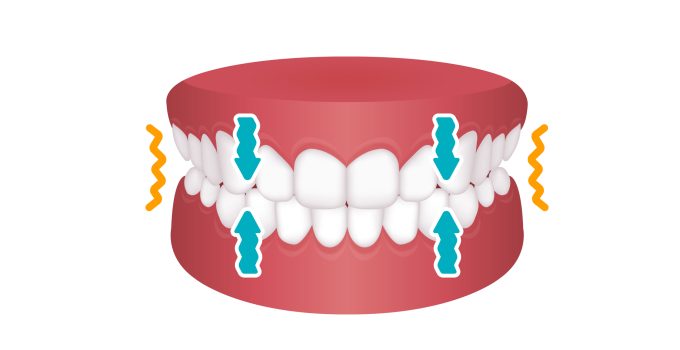
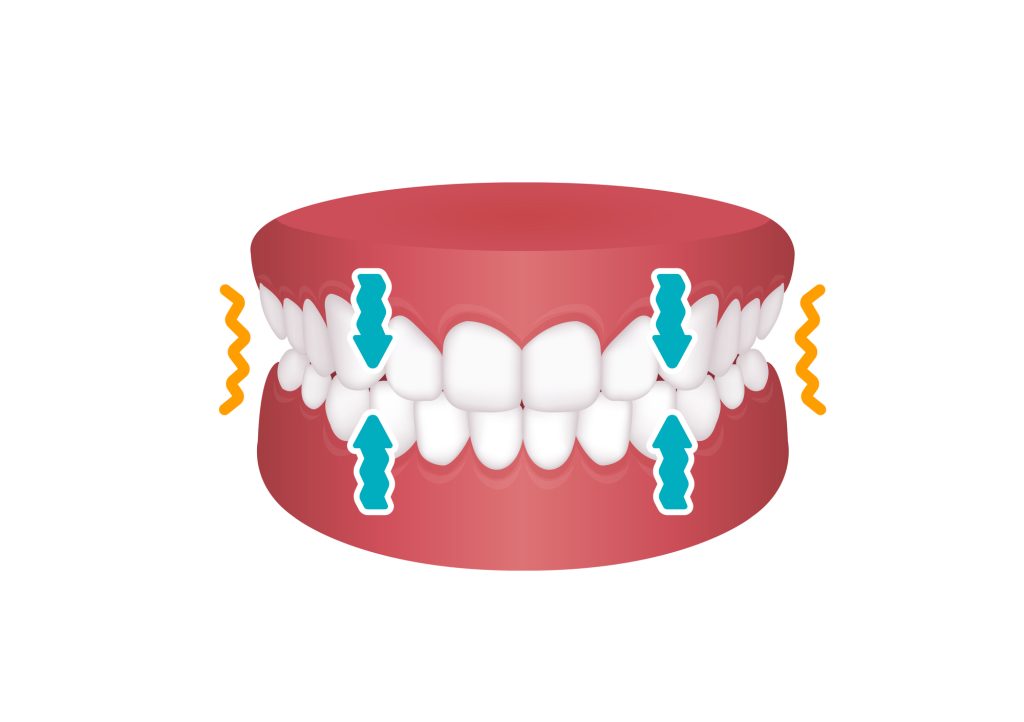
Bruxism, or jaw clenching, is a frequent ailment that causes teeth to grind or clench during sleep.

Bruxism, or jaw clenching, is a frequent ailment that causes teeth to grind or clench during sleep.

Jaw clenching, medically known as bruxism, is a common condition characterized by involuntary grinding or clenching of the teeth, often occurring during sleep. While the exact causes of bruxism vary, factors such as stress, anxiety, misaligned teeth, and certain medications can contribute to its onset. Chronic jaw clenching not only leads to dental issues but also contributes to headaches, jaw pain, and temporomandibular joint (TMJ) disorders. Fortunately, Botox, commonly associated with cosmetic enhancements, has emerged as an effective therapeutic option for managing jaw clenching. In this comprehensive guide, we’ll delve into the mechanisms of bruxism, explore the benefits of Botox for jaw clenching, and discuss its application as a therapeutic intervention.

Understanding Jaw Clenching (Bruxism)

Bruxism encompasses the involuntary grinding, gnashing, or clenching of teeth, often occurring during sleep. While occasional tooth grinding may not pose significant concerns, chronic bruxism can lead to a host of dental, muscular, and psychological issues. Common symptoms of bruxism include tooth wear, jaw pain, headaches, and TMJ disorders. The etiology of bruxism is multifactorial, involving a combination of psychological, physiological, and anatomical factors. Stress, anxiety, malocclusion, and sleep disorders are among the contributing factors implicated in bruxism development.

The Role of Botox in Managing Jaw Clenching

Botox, derived from the botulinum toxin, is widely recognized for its muscle-relaxing properties and is primarily used in cosmetic treatments to reduce wrinkles and fine lines. However, Botox’s therapeutic applications extend beyond aesthetics, encompassing various medical conditions, including bruxism. By inhibiting the release of acetylcholine, a neurotransmitter responsible for muscle contractions, Botox effectively relaxes the muscles involved in jaw clenching, thereby alleviating associated symptoms and complications.

Benefits of Botox for Jaw Clenching

  1. Muscle Relaxation: Botox injections target the masseter and temporalis muscles, the primary muscles involved in jaw clenching. Botox helps mitigate the intensity and frequency of clenching episodes by inducing muscle relaxation and reducing associated muscle tension and discomfort.
  2. Pain Relief: Chronic jaw clenching often leads to jaw pain, headaches, and TMJ disorders. Botox injections offer significant pain relief by attenuating muscle hyperactivity and alleviating tension-related symptoms, thereby enhancing overall comfort and well-being.
  3. Prevention of Dental Damage: Bruxism can result in tooth wear, fractures, and enamel erosion, necessitating extensive dental interventions. Botox therapy helps prevent dental damage by reducing the force exerted during clenching episodes, preserving tooth structure, and minimizing the need for invasive dental procedures.
  4. Improved Sleep Quality: Bruxism frequently occurs during sleep, disrupting sleep patterns and contributing to daytime fatigue. By reducing the severity of nocturnal clenching, Botox promotes better sleep quality, enabling individuals to experience restful and rejuvenating sleep without the interruptions caused by bruxism-related symptoms.
  5. Enhanced Quality of Life: The debilitating effects of bruxism extend beyond physical discomfort, impacting emotional well-being and quality of life. Botox therapy offers a holistic approach to bruxism management, addressing both the physical and psychological aspects of the condition and empowering individuals to enjoy a higher quality of life.

The Botox Procedure for Jaw Clenching

A skilled healthcare professional must follow a meticulous process when administering Botox injections for jaw clenching. During the procedure, the provider identifies the target muscles responsible for jaw clenching and administers precise injections into the masseter and temporalis muscles. The dosage and injection sites are customized based on the individual’s unique anatomy and treatment goals. Following the procedure, patients may experience mild discomfort and temporary swelling at the injection sites, which typically resolves within a few days.

Post-Treatment Care and Follow-Up

After receiving Botox injections for jaw clenching, patients are advised to adhere to post-treatment care guidelines to optimize treatment outcomes and minimize potential complications. This may include avoiding strenuous physical activities, refraining from excessive jaw movements, and applying ice packs to reduce swelling. Additionally, patients are encouraged to attend follow-up appointments to assess treatment efficacy, address any concerns, and determine the need for additional injections based on individual response and symptom severity.

Conclusion

Botox therapy offers a safe, effective, and minimally invasive approach to managing jaw clenching, relieving associated symptoms, and improving overall quality of life. Botox helps alleviate jaw pain, headaches, and dental complications by targeting the underlying muscle hyperactivity responsible for bruxism, enabling individuals to experience enhanced comfort and well-being. If you’re struggling with the debilitating effects of jaw clenching, consider consulting with a qualified healthcare professional to explore the potential benefits of Botox therapy and embark on the journey towards a healthier, more comfortable smile.
How Often to Get Botox: The Definitive Guide

Many people are turning to Botox as a way to get the appearance of younger, smoother skin.

Many people are turning to Botox as a way to get the appearance of younger, smoother skin.

In the quest for smoother, younger-looking skin, Botox has emerged as a popular solution for many individuals. Whether it’s to address wrinkles, fine lines, or certain medical conditions like migraines and TMJ disorder, Botox injections offer a way to temporarily relax muscles and rejuvenate the appearance. However, a common question that arises is, “How often should I get Botox?” Understanding the intricacies of Botox treatment frequency is essential for maximizing results and maintaining a fresh, youthful appearance. In this definitive guide, we’ll delve into the factors influencing Botox frequency and provide insights into crafting a personalized treatment schedule.

Understanding the Mechanism of Botox

Before delving into the frequency of Botox treatments, it’s crucial to grasp how Botox works. Each vial of Botox contains botulinum toxin, a neurotoxin that targets the nerve signals responsible for muscle contractions. By blocking these signals, Botox effectively relaxes the muscles, smoothing out wrinkles and fine lines. The results typically last for three to four months, during which the treated muscles remain in a relaxed state, reducing the appearance of dynamic wrinkles.

Initiating Botox Treatment: When to Start?

Contrary to popular belief, Botox isn’t reserved solely for individuals with moderate to severe wrinkles. Men and women in their late 20s and early 30s are increasingly embracing it as a defense against the early signs of aging. Moreover, individuals experiencing medical issues such as migraines, facial twitches, and TMJ disorder may benefit from Botox at a younger age, often as early as 18, to alleviate muscle overactivity.

The Impact of Single Botox Treatments

Some individuals opt for a single Botox treatment to gauge its efficacy or simply experience its effects temporarily. Results from a single treatment typically last between three and six months, depending on individual metabolism rates. Interestingly, subsequent Botox treatments tend to yield longer-lasting results, with fewer maintenance visits required over time. Therefore, while a single treatment offers a glimpse into Botox’s transformative potential, regular sessions optimize its benefits.

Maintaining Results: Frequency of Botox Maintenance

For those who wish to maintain the youthful effects of Botox, scheduling regular maintenance visits is paramount. A general rule of thumb dictates maintenance sessions every three to four months. However, as Botox gradually trains the muscles to relax, the frequency of maintenance visits may decrease over time. This personalized approach ensures sustained results while minimizing the need for frequent injections.

Tailoring Botox Frequency for Specific Areas

Different facial areas may require varying frequencies of Botox injections to achieve optimal results:

  • Forehead: Botox treatments targeting forehead wrinkles and lines typically necessitate visits every four months. These injections address both horizontal and vertical lines, enhancing the overall appearance of the forehead. Since cosmetic Botox is often elective, individuals should consider the associated costs when planning regular treatments.
  • Masseter (Cheek Muscles): Masseter Botox, aimed at relaxing the muscles in the cheeks, serves multiple purposes, including reshaping the face and alleviating TMJ-related symptoms. Patients suffering from TMJ disorder or migraines may find relief through regular Botox injections every three to four months. Moreover, health insurance coverage may apply in such cases, emphasizing the importance of consistent treatment to prevent muscle reactivation.

Long-Term Safety of Botox Use

Concerns regarding the long-term safety of Botox often arise due to its impact on muscle contractions. Long-term Botox use is, however, typically regarded as secure and efficient when carried out by licensed medical professionals. Risks and complications can be minimized through meticulous medical assessments and skilled administration. Contrary to misconceptions, prolonged Botox use rarely leads to muscle atrophy or facial sagging. By adhering to prescribed treatment schedules, individuals can enjoy the positive effects of Botox without compromising facial dynamics.

Conclusion

In conclusion, determining the optimal frequency for Botox treatments requires a personalized approach tailored to individual goals and preferences. Whether seeking cosmetic enhancements or therapeutic relief, regular Botox sessions offer a pathway to rejuvenated skin and improved well-being. By understanding the nuances of Botox treatment intervals and collaborating closely with knowledgeable practitioners, individuals can embark on a journey towards sustained youthfulness and confidence. Remember, the key to successful Botox outcomes lies in informed decision-making and consistent, quality care.

A Comprehensive Guide: How to Get Certified to Inject Botox

Completing the training course successfully is the most important step toward getting a Botox certification.

Completing the training course successfully is the most important step toward getting a Botox certification.

In the world of aesthetic medicine, Botox has emerged as a go-to solution for combating wrinkles and addressing various medical conditions. However, administering Botox injections is not a task to be taken lightly. It requires skill, knowledge, and, most importantly, proper certification. This comprehensive guide explores the process of becoming certified to inject Botox, from understanding the treatment to completing the necessary training.

Understanding Botox: A Brief Overview

It is crucial to comprehend the nature and function of Botox before proceeding with the certification procedure. Botox, made from botulinum toxin, is an injectable treatment that causes minimal discomfort and downtime. It works by momentarily reducing muscle contractions near the injection site by blocking nerve endings. Thanks to its calming effects on the muscles, it is an excellent choice for medical and aesthetic treatments.

Medical issues commonly addressed by Botox injections include neck pain, lazy eye, overactive bladder, excessive sweating, chronic migraine, and various other health problems related to muscle contraction. On the cosmetic front, Botox is used to diminish dynamic wrinkles caused by overactive facial muscles, such as crow’s feet, marionette lines, and nasolabial folds. Additionally, it can be utilized in procedures to improve facial asymmetry and create the appearance of lip augmentation.

The results of Botox treatments typically last between three and six months, depending on individual factors. To maintain the desired results, patients may opt for periodic injections.

Qualifications for Botox Training

Specific requirements must be met in order to obtain certification to administer Botox injections. Eligible candidates typically include:

  • Physicians
  • Physician assistants
  • Registered nurses (including nurse practitioners)
  • Dentists
  • Skincare specialists
  • Plastic surgeons
  • Other healthcare professionals with suitable medical qualifications

It’s important to note that the list of eligible professionals may vary depending on the geographical location. Therefore, individuals interested in pursuing Botox certification should verify the licensure requirements in their respective countries.

Acquiring Botox Certification: Step-by-Step Guide

Now that we understand the basics, let’s delve into the step-by-step process of acquiring Botox certification:

Step 1: Find a Suitable Botox Training Course

The first step is to research and identify a reputable Botox training course that aligns with your professional needs and goals. With the rising popularity of Botox treatments, there is no shortage of training programs available. However, it’s crucial to select a course that provides comprehensive education and practical experience.

When evaluating potential courses, consider factors such as accreditation, course curriculum, faculty expertise, hands-on training opportunities, and post-course support. Additionally, ensure that the course meets any specific requirements set forth by regulatory bodies or professional organizations.

Step 2: Meet Course Requirements and Enroll

Once you’ve identified a suitable training course, carefully review the eligibility requirements. In addition to holding a valid medical license, some courses may require additional certifications or a minimum level of clinical experience. Ensure that you fulfill all prerequisites before proceeding with enrollment.

Step 3: Complete the Course

The most critical step in obtaining Botox certification is successfully completing the training course. During the program, you will receive comprehensive instruction on various aspects of Botox administration, including treatment techniques, facial anatomy, patient assessment, injection protocols, and safety measures.

Hands-on training sessions are typically incorporated into the curriculum, allowing participants to practice their injection skills under the guidance of experienced instructors. Additionally, participants will learn how to recognize and manage potential adverse reactions or complications associated with Botox injections.

Upon fulfilling all course requirements and demonstrating proficiency in Botox administration, participants will receive their certification. This certification validates their competence and qualifies them to administer Botox injections to patients legally.

Final Thoughts

Obtaining Botox certification is a rigorous process that requires dedication, commitment, and ongoing education. However, it opens the door to a rewarding career in aesthetic medicine, with ample opportunities for professional growth and advancement.

Whether you’re a physician, nurse, dentist, or skincare specialist, investing in Botox training can expand your skill set and enhance your practice. By following the steps outlined in this guide and choosing a reputable training program, you can embark on a journey towards becoming a certified Botox injector and making a positive impact on the lives of your patients.

Exploring the Potential of Botox for Arthritis Pain Relief

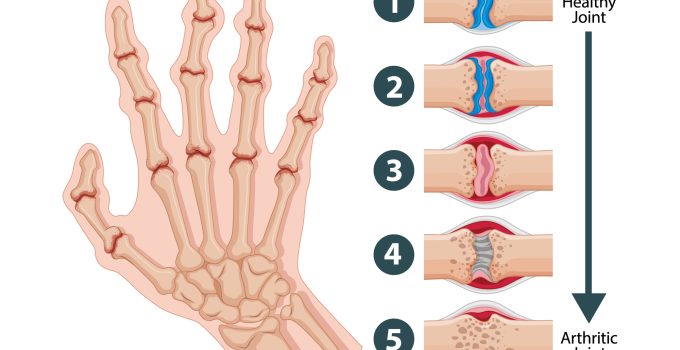
Botox relieves arthritis pain by targeting and relaxing joint-pain-causing muscles.

Botox relieves arthritis pain by targeting and relaxing joint-pain-causing muscles.

Botox, primarily known for its cosmetic applications in reducing wrinkles and fine lines, is increasingly being investigated for its therapeutic potential in addressing various medical conditions. Among these is arthritis, a chronic condition characterized by joint inflammation and pain. While traditionally associated with cosmetic enhancements, Botox’s ability to relax muscles has sparked interest in its potential to alleviate arthritis pain and improve mobility. This article will delve into the emerging research on Botox for arthritis pain relief, its mechanisms of action, potential benefits, and considerations for those considering this treatment option.

Understanding Botox for Arthritis Pain Relief

The bacterium Clostridium botulinum produces botox, also known as botulinum toxin type A, which is a neurotoxin. When injected into muscles, it temporarily blocks nerve signals that control muscle contractions, leading to muscle relaxation. While its cosmetic applications are well-established, Botox’s therapeutic uses have expanded over the years, including treatment for migraines, muscle spasms, and overactive bladder.

The concept of using Botox for arthritis pain relief revolves around its ability to target and relax specific muscles that contribute to joint discomfort. By reducing muscle tension and spasms, Botox may alleviate pain associated with arthritis and improve joint mobility. While the treatment is not a permanent solution, with effects typically lasting for several months, even temporary relief can significantly enhance the quality of life for arthritis sufferers.

Can Botox injections relieve arthritis pain?

Preliminary studies and anecdotal evidence suggest that Botox injections may offer relief from arthritis pain for some individuals. Patients have reported improvements lasting up to four months following treatment. While this duration is not permanent, it represents a significant improvement for individuals who endure daily arthritis symptoms.

It’s important to note that Botox’s effectiveness in relieving arthritis pain is still being investigated through ongoing research. While promising, further studies are needed to understand the optimal dosages, injection sites, and patient selection criteria for maximizing therapeutic outcomes. Additionally, individual responses to Botox treatment may vary, highlighting the importance of personalized care and evaluation by qualified medical professionals.

Exploring Botox’s Versatility in Medical Treatment

Beyond its well-known cosmetic applications, Botox has garnered FDA approval for treating various medical conditions, reflecting its versatility and therapeutic potential. In addition to arthritis pain relief, Botox has demonstrated efficacy in managing migraines, muscle spasms, and urinary incontinence, among other conditions.

This expanding repertoire of medical uses underscores Botox’s multifaceted nature and the ongoing exploration of its therapeutic benefits. As researchers delve deeper into Botox’s mechanisms of action and its effects on different physiological processes, new avenues for medical intervention continue to emerge.

Considerations for Botox Treatment

While Botox holds promise as a potential treatment for arthritis pain, several considerations should be considered before undergoing this procedure. First and foremost, only qualified healthcare professionals like doctors, nurses, or dermatologists should administer Botox injections. Seeking treatment from reputable medical providers ensures safety and optimal treatment outcomes.

Additionally, individuals considering Botox for arthritis pain relief should discuss their medical history and treatment goals with a healthcare provider. Not everyone may be suitable for this treatment, and alternative therapeutic options should be explored based on individual needs and preferences.

Additionally, it’s crucial to have reasonable expectations for the duration and degree of pain relief that Botox injections will provide. While some patients may experience significant improvements, others may find more modest benefits or require additional interventions to manage their arthritis symptoms effectively.

Future Directions and Conclusion

As research into Botox’s potential for arthritis pain relief continues to evolve, it promises to offer a non-invasive and temporary solution for alleviating joint discomfort and improving mobility in arthritis patients. While further studies are needed to validate its efficacy and refine treatment protocols, the growing body of evidence suggests that Botox may emerge as a valuable adjunctive therapy for managing arthritis symptoms.

In conclusion, exploring Botox’s therapeutic applications beyond cosmetic enhancements represents a fascinating medical research and innovation area. While arthritis pain relief is still in the early stages of investigation, the promising results observed thus far offer hope for a breakthrough in arthritis management. With continued research and clinical advancements, Botox may soon become a valuable tool in the comprehensive treatment approach for arthritis and other chronic pain conditions.

The Evolution of Aesthetics: Are Dermal Fillers Going Out of Fashion?

Dermal fillers have long been a popular cosmetic treatment.

Dermal fillers have long been a popular cosmetic treatment.

In the ever-evolving landscape of cosmetic enhancements, dermal fillers have long held a prominent place. These injectable treatments have been instrumental in rejuvenating facial features, smoothing wrinkles, and enhancing volume for decades. However, with the emergence of new techniques and technologies, questions have arisen about the continued relevance of dermal fillers in the realm of aesthetic procedures. Are they going out of fashion, or do they still have a significant role to play? This article explores the evolution of dermal fillers, their current status in the aesthetics industry, and the factors shaping their future.

The Rise of Dermal Fillers

Dermal fillers have a rich history dating back to the late 19th century, when paraffin injections were used for soft tissue augmentation. However, it wasn’t until the 1980s that modern injectable fillers made their mark with the introduction of collagen-based products. The short duration and potential for allergic reactions of these early fillers limited their ability to temporarily increase facial volume.

The landscape changed dramatically with the development of hyaluronic acid (HA) fillers in the late 1990s. HA, a naturally occurring substance in the body, offers several advantages over collagen, including longer-lasting results and a reduced risk of adverse reactions. As a result, HA fillers quickly gained popularity and became the gold standard for non-surgical facial rejuvenation.

Throughout the early 2000s, dermal fillers continued to evolve, with manufacturers introducing variations in HA formulations to address specific aesthetic concerns. From treating fine lines and wrinkles to enhancing lip volume and restoring facial contours, fillers have become increasingly versatile, catering to diverse patient needs.

The Peak of Popularity

By the late 2000s and early 2010s, dermal fillers had reached unprecedented levels of popularity. Celebrities openly endorsed their use, social media influencers documented their treatment experiences, and clinics worldwide reported a surge in demand for injectable procedures. With advancements in injection techniques and an expanding array of filler options, patients had more choices than ever before when it came to enhancing their appearance.

One of the key drivers of this popularity was the minimally invasive nature of dermal fillers. Unlike surgical procedures, which often entail lengthy recovery periods and carry inherent risks, fillers offer immediate results with little to no downtime. Patients could undergo treatment during their lunch break and return to their daily activities with subtle yet noticeable improvements in their appearance.

Furthermore, the cultural shift towards embracing beauty diversity played a significant role in normalizing cosmetic enhancements, including dermal fillers. Instead of striving for unattainable standards of perfection, individuals sought treatments that preserved their unique features while addressing specific concerns, such as volume loss or age-related changes.

Challenges and Criticisms

Despite their widespread acceptance, dermal fillers have not been without controversy. Concerns have been raised regarding the overuse of fillers, leading to an unnatural or exaggerated appearance commonly referred to as “overfilling” or “filler fatigue.” In some cases, inexperienced injectors or individuals seeking extreme transformations have contributed to negative perceptions of fillers within the aesthetic community.

Additionally, there have been reports of complications associated with filler injections, including vascular compromise, tissue necrosis, and allergic reactions. While such adverse events are relatively rare, they underscore the importance of seeking treatment from qualified, experienced practitioners who prioritize patient safety.

Another criticism leveled against dermal fillers relates to their temporary nature. While HA fillers offer longer-lasting results compared to collagen-based alternatives, they still require periodic touch-up treatments to maintain optimal outcomes. Some patients may view this ongoing maintenance as a drawback, preferring more permanent solutions such as surgical interventions or implant-based procedures.

The Shift Towards Preventative and Proactive Aesthetics

In recent years, the aesthetics industry has seen a noticeable shift towards a more holistic approach to beauty maintenance. Instead of waiting until signs of aging become pronounced, more individuals are opting for preventative treatments to preserve youthful features and slow down aging.

This shift encompasses various non-invasive modalities, including skincare regimens, laser treatments, and injectables such as botulinum toxin (Botox). Unlike dermal fillers, which primarily address volume loss and structural changes, Botox targets dynamic wrinkles caused by repetitive muscle movements. By relaxing specific facial muscles, Botox can prevent the formation of lines and wrinkles, making it a popular choice for both younger and older demographics.

The Future of Dermal Fillers

Despite the emergence of alternative modalities and the changing landscape of aesthetic preferences, dermal fillers are unlikely to become obsolete any time soon. Their versatility, predictability, and ability to deliver immediate results remain unparalleled, making them a cornerstone of non-surgical facial rejuvenation.

Moreover, ongoing research and innovation in filler technology continue to drive advancements in product safety, longevity, and patient satisfaction. From biodegradable fillers with extended durations to customizable formulations tailored to individual anatomical nuances, the future holds promise for further refinement and improvement in filler options.

However, the future success of dermal fillers hinges not only on technological advancements but also on the responsible practice of aesthetic medicine. Clinicians must prioritize patient education, personalized treatment planning, and ethical standards to ensure optimal outcomes and mitigate the risk of complications.

Conclusion

In conclusion, while the aesthetics landscape may be evolving, dermal fillers remain a cornerstone of facial rejuvenation and enhancement. Their versatility, safety profile, and immediate results make them a preferred choice for patients seeking non-surgical solutions to aging concerns.

However, the increasing emphasis on preventative aesthetics and the emergence of alternative modalities signal a broader shift towards holistic beauty maintenance. As the field continues to evolve, it is essential for clinicians to adapt to changing patient preferences and embrace innovation while upholding the highest standards of patient care and safety.

Ultimately, dermal fillers may evolve and diversify, but their enduring appeal lies in their ability to empower individuals to look and feel their best, one injection at a time.

Relieving the Burden of Migraines: Exploring the Efficacy of Injectable Neurotoxin Treatments like Botox®

Recently, injectable neurotoxin therapies, usually associated with cosmetic procedures, have shown potential for migraine relief.

Recently, injectable neurotoxin therapies, usually associated with cosmetic procedures, have shown potential for migraine relief.

Migraines are not just headaches; they are debilitating neurological conditions that can significantly impair one’s quality of life. For those who suffer from chronic migraines, the quest for relief often leads to a multitude of treatments, ranging from medications to lifestyle changes. However, for some, traditional methods may fall short of providing adequate relief. In recent years, injectable neurotoxin treatments, commonly associated with cosmetic procedures, have emerged as a promising option for managing chronic migraines. This article delves into the efficacy, mechanism of action, qualification criteria, side effects, insurance coverage, and overall impact of injectable neurotoxin treatments, such as Botox®, in alleviating the burden of chronic migraines.

Understanding Injectable Neurotoxin Treatments for Migraines

When discussing injectable neurotoxin treatments like Botox® for migraines, it’s crucial to dispel the notion that these injections are solely for cosmetic purposes. While Botox® is renowned for its use in minimizing facial wrinkles, it has also gained FDA approval for the treatment of chronic migraines. Unlike medications that are taken during a migraine attack, injectable neurotoxins work as a preventive measure, aiming to reduce the frequency and severity of migraines.

Mechanism of Action

The mechanism by which injectable neurotoxins alleviate migraines lies in their ability to modulate pain signaling pathways. Research suggests that these neurotoxins inhibit the release of neurotransmitters involved in pain transmission and alter the communication between the brain and nerves responsible for migraine generation. Specifically, Botox® injections target peripheral nerves in areas such as the head, neck, and shoulders, where migraine signals originate. By interfering with the transmission of pain signals, Botox® helps reduce the frequency and intensity of migraine attacks.

Treatment Protocol

The treatment protocol for injectable neurotoxin therapy typically involves a series of injections administered every 12 weeks. Each session consists of 31 injections, with five units of Botox® injected into specific sites associated with migraine pathology. While the procedure itself may cause minimal discomfort, lasting only about 20 minutes, the benefits may not be immediately apparent and may require several treatment cycles to manifest fully.

Qualification Criteria

Not every migraine sufferer is a candidate for injectable neurotoxin treatments. Qualification for these therapies is determined based on several factors, including the frequency, severity, and duration of migraines, as well as the individual’s response to previous treatment modalities. It is essential for individuals considering neurotoxin injections to consult with their healthcare provider, who may refer them to a headache specialist or neurologist for a comprehensive evaluation.

Side Effects

Like any medical intervention, injectable neurotoxin treatments carry potential side effects. These can range from temporary pain and swelling at the injection site to more serious complications, such as neck pain and changes in facial symmetry. Additionally, there is a risk of rare but severe adverse reactions, including difficulty breathing, swallowing, or speaking. Patients should discuss these risks thoroughly with their healthcare provider before undergoing treatment.

Insurance Coverage

One common concern for individuals considering injectable neurotoxin therapy is whether it will be covered by insurance. Fortunately, since these treatments are FDA-approved for chronic migraines, most insurance plans provide coverage. However, specific criteria may need to be met, and navigating the approval process may require assistance from healthcare providers.

Improving Quality of Life

For many chronic migraine sufferers, injectable neurotoxin treatments offer a ray of hope amidst the darkness of debilitating pain. By reducing the frequency and severity of migraines, these therapies can significantly improve one’s quality of life. Reports from patients who have undergone Botox® injections for migraines often highlight a decrease in migraine frequency between sessions and an overall improvement in their ability to function and engage in daily activities.

Conclusion

Chronic migraines pose a significant burden on individuals, affecting every aspect of their lives. While traditional treatment modalities may provide relief for some, others continue to search for more effective solutions. Injectable neurotoxin treatments like Botox® offer a novel approach to migraine management, targeting the underlying mechanisms of migraine pathology. While not suitable for everyone, these treatments have demonstrated efficacy in reducing migraine frequency and improving the quality of life for many sufferers. By consulting with healthcare providers and exploring available options, chronic migraine sufferers can take proactive steps towards reclaiming control over their lives and finding relief from the relentless grip of migraines.

Unlocking Relief: 5 Benefits of Using Botox to Treat Cervical Dystonia

FDA-approved Botox® injections can treat cervical dystonia as a first-line treatment.

FDA-approved Botox® injections can treat cervical dystonia as a first-line treatment.

Cervical dystonia, a neurological disorder characterized by involuntary muscle spasms in the neck, is a debilitating condition that significantly impacts the quality of life of those affected. However, amidst the challenges posed by this disorder, there exists a beacon of hope in the form of medical Botox® injections, approved by the Food and Drug Administration (FDA) as a first-line treatment for cervical dystonia. In this article, we will delve deeper into five pivotal ways in which Botox injections can alleviate symptoms and enhance the well-being of individuals grappling with cervical dystonia.

1. Proven Efficacy

Clinical trials have unequivocally demonstrated the efficacy of Botox injections in treating cervical dystonia. These trials provide robust evidence supporting the use of Botox as a therapeutic intervention for individuals experiencing the distressing symptoms of this movement disorder. For patients navigating the complexities of cervical dystonia, the knowledge that scientifically backed treatments such as Botox offer reassurance can be profoundly comforting. The consistent track record of Botox in ameliorating symptoms underscores its importance as a valuable therapeutic option for individuals with cervical dystonia.

2. Neurological Intervention

When it comes to the treatment of cervical dystonia, Botox is included in the category of biologics that possess neurotoxic qualities. This makes them exceptionally well-suited to intervene at a neurological level. These substances are administered in precisely calibrated therapeutic doses to ensure safety as they interact with the intricate network of muscles, nerves, and the brain. Botox works by blocking the transmission of chemical messages from nerves to the brain in specific areas affected by cervical dystonia. This stops the muscles from contracting too much, a feature of this disorder. This specific way that Botox works on the nervous system shows how well and precisely it can treat the underlying problem of cervical dystonia.

3. Correction of Abnormal Head Positions

One of the hallmark manifestations of cervical dystonia is the adoption of abnormal head positions, such as tilting or pulling in various directions. These maladaptive postures not only contribute to physical discomfort but also exacerbate psychological distress and social stigma associated with the condition. Through strategically placed injections, Botox therapy facilitates the release of muscles responsible for maintaining these aberrant head positions, allowing individuals to regain control and normalize their posture. Restoring a more physiologically aligned head position improves physical function and enhances self-esteem and social interaction, thereby promoting overall well-being.

4. Alleviation of Pain

The relentless spasms of neck muscles characteristic of cervical dystonia often precipitate excruciating pain and chronic discomfort, significantly impacting the quality of life of affected individuals. Botox treatments offer much-needed respite by effectively mitigating the pain associated with this condition. By preemptively preventing spasms, these injections not only alleviate existing discomfort but also obviate the need for long-term reliance on conventional pain management medications, which may carry the risk of adverse effects and dependency. The pain-relieving properties of Botox therapy contribute to improved functional capacity and psychological well-being, enabling individuals to engage more fully in daily activities and enjoy a better quality of life.

5. Sustainable Results and Renewability

While Botox injections yield significant relief for many individuals with cervical dystonia, the duration of their efficacy may vary among patients. Some individuals may experience a recurrence of symptoms between treatments, necessitating adjustments in the frequency of injections to ensure the continuity of positive outcomes. Studies advocate for a regimen of regularly spaced injection treatments, typically administered every three months, to sustain the benefits of Botox therapy. Healthcare providers adopt a conservative approach, tailoring the dosage to each patient to optimize efficacy while minimizing the risk of tolerance development and adverse effects. By embracing a proactive and individualized treatment strategy, patients can effectively manage their symptoms and enjoy long-term relief from the debilitating effects of cervical dystonia.

In conclusion, the utilization of Botox injections represents a significant advancement in the management of cervical dystonia, offering a multifaceted approach to symptom relief and functional improvement. From its proven efficacy to its neurologically targeted mechanism of action, botox therapy holds immense promise in alleviating symptoms, restoring function, and enhancing the overall well-being of individuals grappling with this debilitating condition. As medical science continues to unravel the intricacies of cervical dystonia, Botox remains a steadfast ally in the quest for relief and restoration, empowering individuals to reclaim control over their lives and pursue their aspirations with renewed vigor and optimism.


The Ultimate Pre-Botox Checklist: Ensuring Success in Your Treatment Journey

The journey towards successful Botox treatment begins with identifying a qualified and experienced healthcare provider.

The journey towards successful Botox treatment begins with identifying a qualified and experienced healthcare provider.

An increasing number of people are turning to Botox injections as a non-invasive alternative to surgical procedures for anti-aging. With over 9 million procedures performed globally in 2022, Botox has become the go-to treatment for achieving a smoother, more youthful appearance. However, the key to unlocking the full potential of Botox lies in thorough preparation before the treatment. This article presents the ultimate pre-Botox checklist, equipping you with essential knowledge and practical tips to optimize your treatment experience.

Understanding the Significance of Thorough Preparation

Before delving into the intricacies of the pre-Botox checklist, it’s essential to underscore the importance of thorough preparation. The key to a safe, effective, and enjoyable treatment experience is being well-prepared, which in turn maximizes the likelihood of positive outcomes while reducing the likelihood of negative ones. The selection of a qualified healthcare professional to administer Botox injections is at the forefront of preparation.

Selecting a Qualified Healthcare Professional

The journey towards successful Botox treatment begins with identifying a qualified and experienced healthcare provider. Botox injections should only be administered by licensed specialists, dermatologists, or plastic surgeons who have completed extensive training in the procedure. When selecting a provider, consider factors such as certification, experience, and patient testimonials to ensure confidence in their capabilities.

During the consultation phase, engage in open dialogue with your chosen provider to discuss treatment goals, expectations, and any concerns you may have. Assess the treatment environment for cleanliness, professionalism, and adherence to safety standards, ensuring a safe and comfortable experience throughout the procedure.

Things You Must Do and Think About Before Your Botox Procedure

Adherence to a comprehensive pre-treatment checklist is essential to facilitating a seamless and successful Botox treatment. Let’s explore the key considerations and steps to undertake before your Botox appointment:

Comprehending the Effects of Anti-Inflammatory Medication and Blood Thinners

Certain medications and supplements, such as blood thinners and anti-inflammatory drugs, can increase the risk of bruising or bleeding during Botox injections. It’s crucial to consult with your healthcare provider before the treatment to assess potential interactions and determine whether adjustments to medication regimens are necessary.

Ways to Achieve Your Goals with Fewer Adverse Effects

Enhancing the efficacy and safety of your Botox treatment involves pharmacological considerations and various practical tips. Scheduling appointments wisely, disclosing medical conditions and allergies, and discussing aesthetic goals with your provider are integral steps in maximizing treatment outcomes.

Staying Hydrated Before the Treatment

To keep your skin healthy and promote a speedy recovery after Botox, it is recommended that you drink plenty of water. Hydrated skin facilitates smoother injections and supports the body’s natural healing post-procedure. Prioritize hydration in the days leading up to your appointment to optimize treatment results.

Avoiding Alcohol Consumption and Strenuous Exercise

Alcohol consumption and strenuous exercise can adversely affect hydration levels and increase the risk of complications during Botox treatment. Minimize alcohol intake and refrain from vigorous physical activity in the days preceding your appointment to promote optimal treatment outcomes.

Answering Frequently Asked Questions Regarding Botox

Clear communication with your healthcare provider is instrumental in addressing common concerns and questions about Botox treatment. By articulating your aesthetic goals, setting realistic expectations, and voicing any apprehensions you may have, you empower yourself to make informed decisions and approach the treatment with confidence.

Post-Treatment Care Instructions and Recovery Tips

Following Botox treatment, adherence to post-treatment care instructions is crucial for promoting optimal healing and minimizing potential side effects. Avoiding touching or massaging the treated areas, staying upright for a designated period, and attending follow-up appointments as scheduled are essential components of post-treatment care.

Maintaining Open Lines of Communication with Medical Professionals

Open communication with your healthcare provider throughout the treatment process fosters a collaborative approach to care, ensuring that your individual needs and preferences are prioritized. By maintaining clear communication channels, you can address any questions or concerns that may arise before, during, or after the treatment, promoting a positive treatment experience.

Customizing Care to Meet Each Patient’s Specific Needs and Preferences

Healthcare providers tailor Botox treatment plans to patients’ unique facial anatomy, skin type, and aesthetic goals. By actively engaging in discussions about your desired outcomes and collaborating with your provider to develop a personalized treatment approach, you enhance the likelihood of achieving natural-looking results that align with your expectations.

Conclusion

Last but not least, getting the most out of your Botox treatment in terms of safety, effectiveness, and happiness with the results requires meticulous planning ahead of time. By adhering to the ultimate pre-Botox checklist outlined in this article—selecting a qualified provider, understanding medication considerations, and engaging in open communication with your healthcare provider—you empower yourself to embark on a successful treatment journey.

With proper preparation, clear communication, and a commitment to post-treatment care, you can confidently navigate the Botox treatment process, unlocking the transformative benefits of this popular cosmetic procedure. By prioritizing your needs and preferences, you set the stage for a rejuvenated appearance and renewed self-confidence, embracing the possibilities of a refreshed and revitalized aesthetic.

Soft Tissue Augmentation: A Therapeutic Paradigm for Superficial and Atrophic Scarring

To customize treatment plans to individual needs, it is essential to discuss it with skilled healthcare professionals, as is the case with any medical intervention.

To customize treatment plans to individual needs, it is essential to discuss them with skilled healthcare professionals, as is the case with any medical intervention.

Scars resulting from injury, trauma, or surgical interventions are commonplace in medical practice. While some wounds undergo spontaneous regression, superficial and atrophic variants, such as rolling and boxcar scars, exhibit persistence, often leading to psychological distress in affected individuals. Thankfully, the evolution of medical technology has fostered the emergence of efficacious treatment modalities for such scars. Among these, soft tissue augmentation, also recognized as dermal fillers, stands out as a promising intervention. This article delves into soft tissue augmentation strategies’ mechanistic underpinnings and clinical efficacy in managing superficial and atrophic scars.

Comprehending Superficial and Atrophic Scars

Superficial scars predominantly afflict the epidermal and dermal layers of the skin. Manifesting flat lesions, they frequently stem from minor traumas or acne vulgaris. Conversely, atrophic scars denote a diminution of tissue, resulting in a depressed or concave contour. Rolling scars exhibit undulating features, whereas broader depressions with well-demarcated margins characterize boxcar scars. These varieties of scars exert a substantial impact on an individual’s psychosocial well-being and quality of life.

Soft Tissue Augmentation Techniques

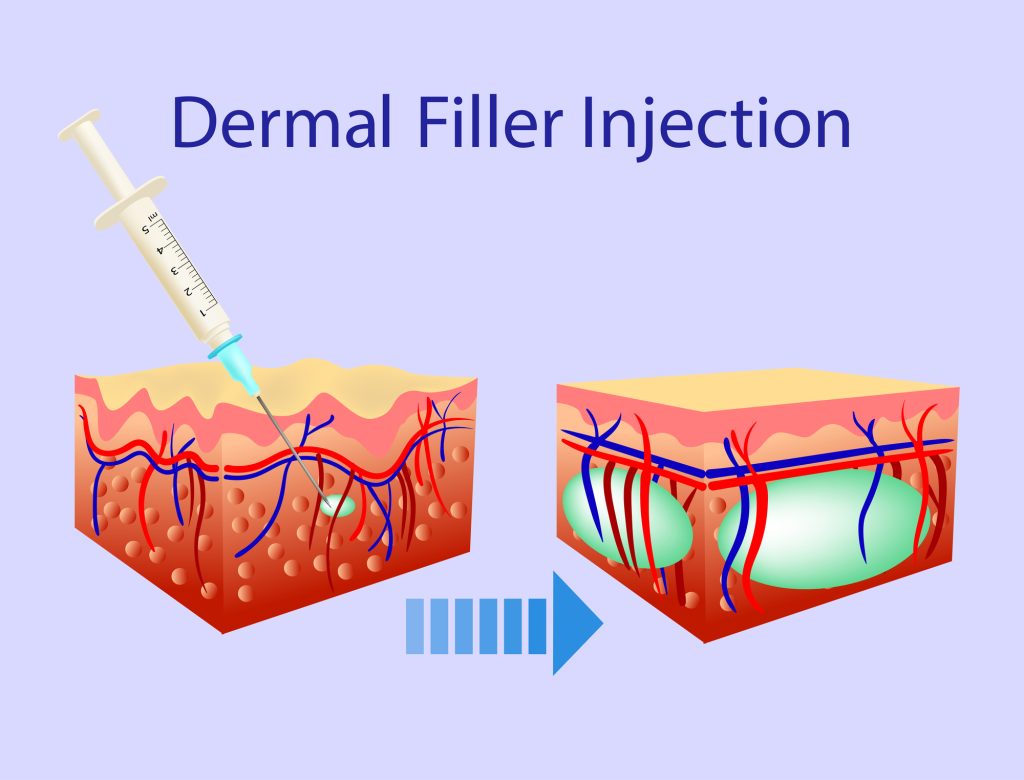
Soft tissue augmentation entails the subcutaneous administration of dermal fillers to replenish volume and ameliorate scar appearance. Dermal fillers encompass diverse constituents, including hyaluronic acid, collagen, and synthetic polymers. These agents serve as scaffolds, elevating depressed regions of the skin and refining its texture.

Soft tissue augmentation’s pivotal advantage lies in its ability to stimulate collagen synthesis. Collagen, a structural protein pivotal for skin integrity, undergoes dwindling production with advancing age. By fostering collagen synthesis, dermal fillers enhance immediate scar aesthetics and engender enduring skin rejuvenation.

Diverse Dermal Fillers

Several dermal fillers are available, each endowed with unique properties and therapeutic indications. Hyaluronic acid fillers rank among the most utilized options for scar mitigation. Hyaluronic acid, an endogenous compound, facilitates skin hydration and elasticity. Hyaluronic acid fillers confer immediate volume augmentation upon injection into scars while catalyzing collagen biosynthesis.

Collagen-based fillers constitute another prevalent choice for soft tissue augmentation. Derived from bovine or human sources, these fillers provide transient enhancement in scar appearance. Although efficacious, the effects of collagen-based fillers are transient, necessitating periodic re-administration.

In recent years, synthetic fillers such as polylactic acid and calcium hydroxylapatite have garnered traction for scar management. These agents elicit gradual collagen induction, culminating in the protracted and sustainable enhancement of scar aesthetics. Additionally, synthetic fillers offer minimal allergic potential, given their non-animal derivation.

Treatment Protocol

The soft tissue augmentation procedure involves meticulously evaluating the scar and adjacent integument. In collaboration with the patient, healthcare practitioners ascertain the scar type, severity, and therapeutic objectives. Prior to the intervention, the skin is cleansed, and topical anaesthetics may be employed to mitigate procedural discomfort.

Dermal filler is meticulously introduced into scar locales using a fine-gauge needle. Injection techniques are tailored contingent on scar type and depth. After injection, a gentle massage may be performed to ensure uniform filler dispersion and mitigate irregularities.

Post-Procedural Care

Following soft tissue augmentation, patients are counselled to refrain from vigorous activities and sun exposure for a stipulated period. Transient oedema, erythema, or ecchymosis at injection sites is common but typically resolves expeditiously. Adherence to post-treatment directives promulgated by healthcare providers optimizes outcomes and curtails complications.

Outcomes and Long-Term Advantages

The aftermath of soft tissue augmentation for superficial and atrophic scars frequently manifests immediately after the procedure. As fillers integrate with perilesional tissues and spur collagen synthesis, scar appearance undergoes progressive amelioration in the ensuing weeks.

A salient merit of soft tissue augmentation resides in its enduring benefits. Unlike transient gains afforded by topical agents or laser interventions, dermal fillers engender sustained enhancement in scar aesthetics. With judicious maintenance and periodic touch-up sessions, patients can revel in smoother, more youthful cutaneous semblance over protracted durations.

Conclusion

Superficial and atrophic scars, exemplified by rolling and boxcar variants, greatly affect individuals’ psychological well-being. Soft tissue augmentation modalities, encompassing dermal fillers, offer a safe and efficacious avenue for scar amelioration. By reinstating volume, catalyzing collagen synthesis, and refining skin texture, dermal fillers empower individuals to reclaim confidence and esteem.

As with any medical intervention, consultation with proficient healthcare practitioners is imperative to tailor treatment strategies to individual needs. With the advent of advanced soft tissue augmentation techniques, individuals no longer endure the burden of unsightly scars but instead embrace the prospect of smoother, rejuvenated skin, fostering resolute self-assurance to confront the world.

What Is the Difference Between Dermal Fillers and Botox Injections?

To minimize adverse effects, it is vital to seek treatment from a trained medical specialist who is skilled in the sterile administration of FDA-approved fillers.

To minimize adverse effects, it is vital to seek treatment from a trained medical specialist who is skilled in the sterile administration of FDA-approved fillers.

There is a world of difference between the processes and uses of Botox and dermal fillers, two well-liked cosmetic procedures that improve the appearance of the face. If you are thinking about getting cosmetic procedures done, you must understand these differences.

Botox is injected into targeted muscles to immobilize them temporarily. It is created from pure botulinum toxin. Doing so prevents the nerve signals from reaching the muscles that contract and cause dynamic wrinkles, often called “expression lines.” Botox is commonly administered to locations such as the forehead, glabella (the space between the eyebrows), and vicinity of the eyes to diminish the appearance of wrinkles caused by habitual frowning. Botox cannot treat static wrinkles brought on by things like skin laxity or loss of facial volume. Botox typically lasts three to four months before it needs to be reapplied.

Botox is effective, but it is not without risk. Generally, when provided by trained professionals, there is little risk of adverse effects. However, some people may have transient drooping of the eyelids or brows, weak muscles, allergic responses such as hives or rashes, and injection-site pain, swelling, or bruising. Antibodies developed against the toxin are an extremely rare cause of therapy failure.

On the other hand, dermal fillers, also known as soft tissue fillers, augment facial volume and restore lost fullness beneath the skin’s surface. These injectable substances include hyaluronic acid, calcium hydroxylapatite, and polylactic acid. Unlike Botox, which targets muscle activity, dermal fillers primarily address static wrinkles and areas affected by volume depletion, such as thinning lips, sunken cheeks, and smile lines. By replenishing lost volume and stimulating collagen production, dermal fillers impart a rejuvenated appearance and smooth out facial contours. The duration of filler effects varies depending on the type of filler used, with some lasting up to two years or more.

Dermal fillers have the potential to improve appearance, but they are not without risk. In addition to minor side effects like redness, bruising, or swelling, more serious problems, including asymmetry or vascular impairment resulting in tissue necrosis, are also possible. Seeking treatment from a certified medical expert skilled in the sterile administration of FDA-approved fillers is crucial for minimizing these dangers.

Cost is another distinguishing factor between Botox and dermal fillers. Botox injections typically cost around $385 per session, while the price of dermal fillers varies depending on the type of filler and the volume required. For example, calcium hydroxylapatite fillers may cost approximately $687 per syringe, while hyaluronic acid fillers range from $644 to $773 per syringe. These costs may fluctuate based on factors such as the provider’s fees and the quantity of filler utilized during the procedure.

In summary, the disparity between Botox and dermal fillers lies in their mechanisms of action, target areas, duration of effects, and associated risks. While Botox immobilizes muscles to reduce dynamic wrinkles, dermal fillers replenish lost volume to address static wrinkles and volume depletion. Understanding these differences empowers individuals to make informed decisions regarding their aesthetic goals and treatment options, with the possibility of combining both modalities for comprehensive facial rejuvenation when appropriate.