Smoothing Perioral Wrinkles with Dermal Fillers
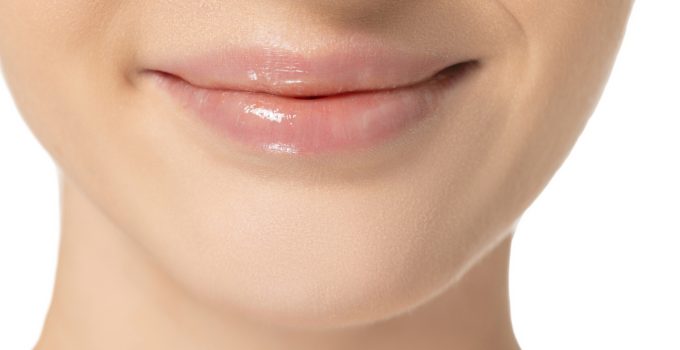
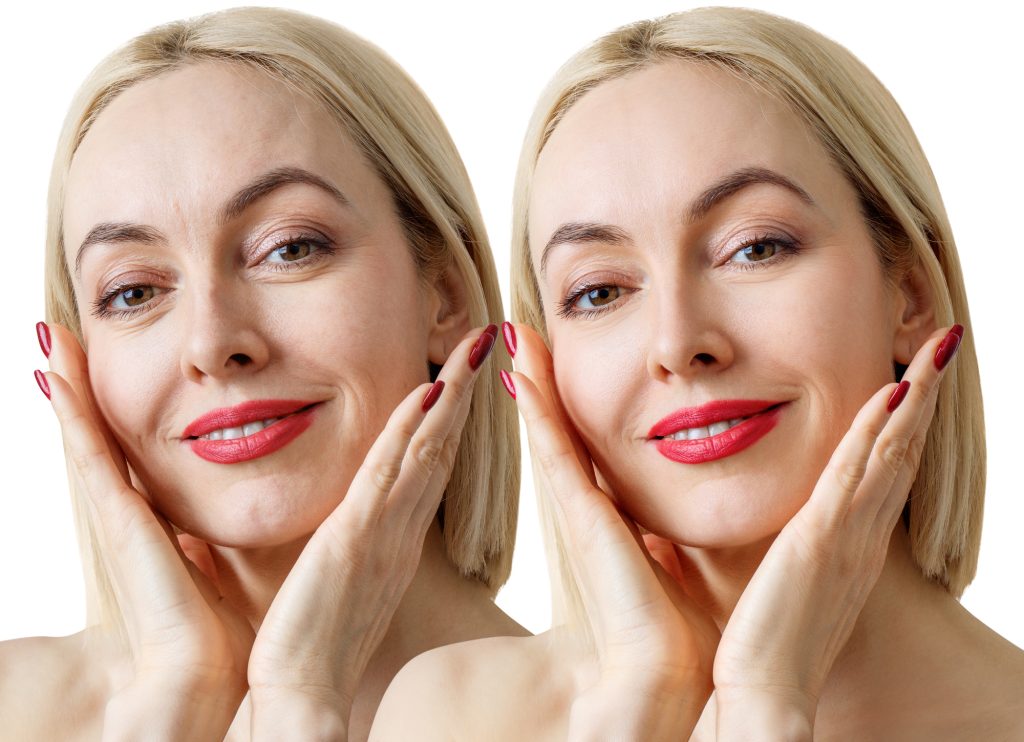
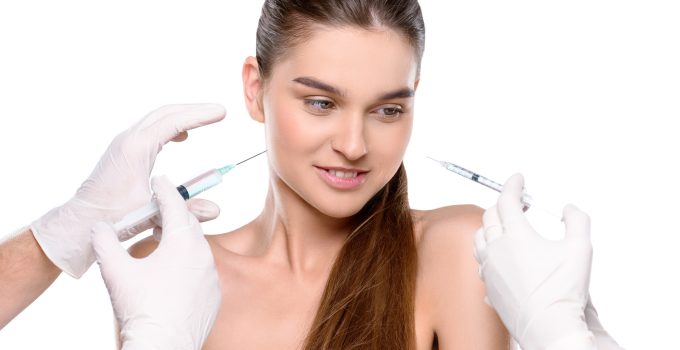
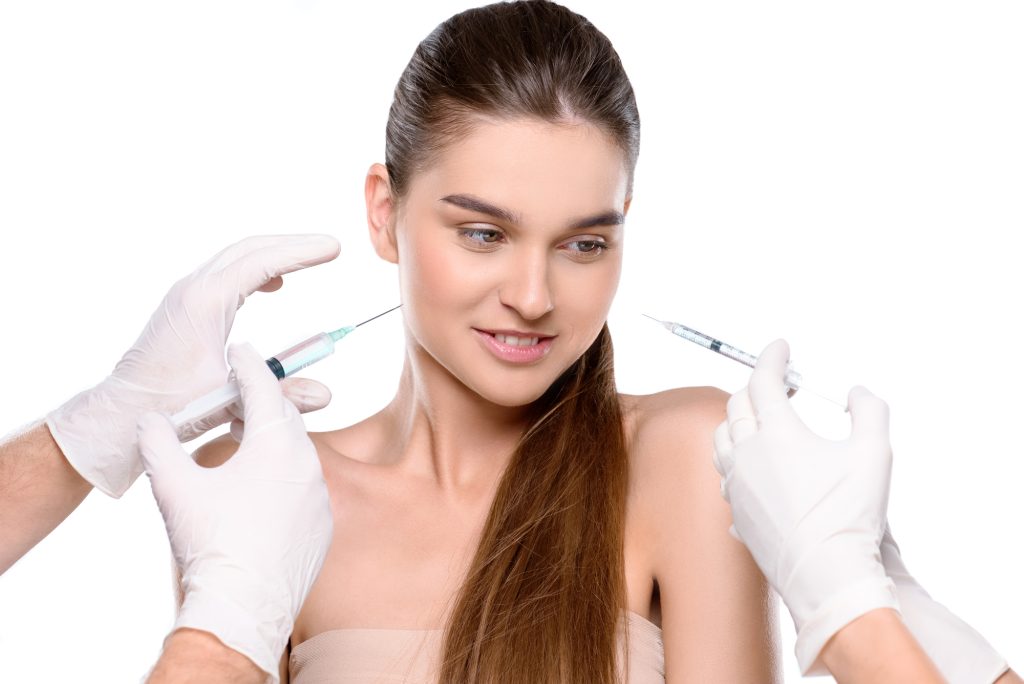
One common and successful method for reducing the appearance of perioral wrinkles is the use of dermal fillers.

One common and successful method for reducing the appearance of perioral wrinkles is the use of dermal fillers.

Understanding Perioral Wrinkles

Lines and wrinkles around the mouth, commonly referred to as perioral wrinkles or smoker’s lines, are prominent signs of aging that can significantly diminish a youthful appearance. Repetitive facial movements, sun exposure, and lifestyle choices like smoking all contribute to these wrinkles, which appear as fine lines and deeper creases around the lips and mouth. The breakdown of collagen and elastin fibers in the skin contributes to the formation of these wrinkles, making the skin less elastic and more prone to developing lines.

Causes of Perioral Wrinkles

Several factors influence perioral wrinkles:

  1. Repetitive Facial Movements: Constant movements such as puckering the lips, talking, and smiling contribute to the formation of lines around the mouth over time.
  2. Sun Exposure: Ultraviolet (UV) radiation from the sun accelerates the breakdown of collagen and elastin in the skin, leading to premature aging and wrinkle development.
  3. Smoking: The act of smoking not only involves repetitive puckering of the lips but also exposes the skin to harmful toxins that accelerate aging and damage collagen and elastin fibers.
  4. Natural Aging Process: As we age, the production of collagen and elastin slows down, and the skin loses its natural ability to maintain its structure and firmness, resulting in wrinkles.
  5. Genetics: Genetic predispositions play a role in how and when wrinkles develop, with some individuals more prone to early signs of aging due to their genetic makeup.

Dermal Fillers: A Solution for Perioral Wrinkles

Dermal fillers have become a popular and effective treatment for smoothing perioral wrinkles. These injectable treatments can add volume, smooth out wrinkles, and enhance facial contours, offering a non-surgical solution for those seeking to rejuvenate their appearance.

How Dermal Fillers Work

Although dermal fillers can be made of a variety of chemicals, the most popular ones for treating perioral wrinkles are those based on hyaluronic acid. The skin’s natural hyaluronic acid content helps to retain moisture and maintain its plumpness. By attracting and retaining water, hyaluronic acid fillers, when injected into the skin, provide volume and diminish the appearance of wrinkles.

The Procedure

The usual procedure for using dermal fillers to treat perioral wrinkles is as follows:

  1. Initial Consultation: Meet with a trained professional for a skin evaluation, to go over your aesthetic goals, and to create a unique treatment plan.
  2. Preparation: Before the procedure, it is recommended that the treatment area be cleaned and a topical anesthetic be applied to ensure a comfortable injection experience.
  3. Injection: Using a fine needle, the filler is carefully injected into the targeted areas around the mouth. The practitioner may use different techniques, such as linear threading or serial puncture, to ensure even distribution of the filler.
  4. Following injections, a light massage of the treated area may be administered to distribute the filler further. Some redness, swelling, or bruising may occur, but it usually goes away after a few days. 

Benefits of Dermal Fillers for Perioral Wrinkles

Dermal fillers offer several advantages for those seeking to smooth perioral wrinkles:

  1. Natural-Looking Results: Hyaluronic acid fillers provide a natural-looking and feeling result, allowing for subtle enhancements that maintain a person’s natural appearance.
  2. Quick and Convenient: The procedure is relatively fast, often completed within 30 minutes to an hour, and requires minimal downtime, making it convenient for those with busy schedules.
  3. Customizable Treatment: The amount of filler used can be tailored to each individual’s needs, whether addressing fine lines or deeper wrinkles.
  4. Immediate Results: While some swelling may occur initially, the effects of the filler are visible immediately after the procedure, allowing patients to enjoy smoother skin right away.
  5. Long-Lasting Effects: Although temporary, the results of hyaluronic acid fillers can last from six months to a year, with touch-up treatments helping to maintain the smooth appearance of the skin.

Considerations and Risks

While dermal fillers are generally safe, there are some considerations and potential risks to be aware of:

  1. Allergic Reactions: Although rare, some individuals may have an allergic reaction to the filler ingredients.
  2. Bruising and Swelling: Temporary bruising and swelling are common side effects but typically resolve within a few days.
  3. Asymmetry: In some cases, the results may be uneven, requiring additional injections to achieve the desired balance.
  4. Infection: As with any injectable treatment, there is a risk of infection at the injection sites, though this is uncommon when performed by a qualified professional.
  5. Lumpiness: Occasionally, lumps or irregularities may form, which can often be corrected with a gentle massage or additional treatment.

Choosing the Right Practitioner

The success of dermal filler treatments for perioral wrinkles largely depends on the skill and experience of the practitioner. When selecting a provider, consider the following:

  1. Credentials: Verify the practitioner’s credentials by checking that they are licensed medical experts who have completed advanced training in dermal fillers.
  2. Experience: Look for a provider with extensive experience in treating perioral wrinkles and a portfolio of before-and-after photos of previous patients.
  3. Reputation: Read reviews and seek recommendations from trusted sources to find a reputable practitioner.
  4. Consultation: A thorough consultation is essential. The practitioner should listen to your goals, explain the procedure, and discuss potential risks and benefits.

Maintenance and Longevity

The effects of hyaluronic acid-based dermal fillers are temporary, typically lasting between six months and a year. Over time, the body gradually absorbs the filler, and touch-up treatments are needed to maintain the desired results. Regular follow-up appointments with your practitioner help ensure that the skin remains smooth and youthful-looking.

Cost Considerations

The cost of dermal filler treatments for perioral wrinkles can vary based on several factors, including the type of filler used, the amount of filler required, and the practitioner’s experience and location. It’s important to discuss the cost during your consultation and consider the value of investing in a qualified and experienced provider to achieve the best results.

Conclusion

Many people worry about developing perioral wrinkles, also known as smoker’s lines, as they get older. A non-surgical, long-lasting, and effective way to restore the youthful look of the lips is with dermal fillers. Fillers made of hyaluronic acid can make people look younger and fresher by adding volume to their lips, making their skin look more hydrated, and giving them a natural look.

If you want the most remarkable results with the fewest risks when considering dermal fillers for perioral wrinkles, you must choose a skilled and experienced practitioner. Complementary treatments, such as Botox injections, can further enhance the results and provide comprehensive facial rejuvenation. With proper maintenance and follow-up treatments, individuals can enjoy the benefits of smoother, more youthful-looking skin around the mouth for an extended period of time.

Investing in dermal fillers for perioral wrinkles can significantly improve one’s appearance and boost self-confidence, making it a worthwhile consideration for those looking to combat the visible signs of aging and maintain a youthful, radiant smile.

 

How Many Units of Botox for Glabellar Lines?

Botox can reduce glabellar wrinkles and give the face a more youthful look.

Botox can reduce glabellar wrinkles and give the face a more youthful look.

Introduction

Botox, a popular non-surgical cosmetic treatment, has revolutionized the approach to facial aesthetics. One of its most common applications is the reduction of glabellar lines, the vertical frown lines that appear between the eyebrows. These lines, often called “11s,” can give a person a perpetually tired or angry expression. Understanding the appropriate number of Botox units required for effective glabellar line treatment is crucial for practitioners and patients to achieve optimal results while minimizing risks.

Understanding Botox and Its Mechanism

Botox, or botulinum toxin type A, is a neurotoxin produced by the bacterium Clostridium botulinum. When injected in small, controlled amounts, it temporarily paralyzes muscles by blocking the release of acetylcholine, a neurotransmitter responsible for muscle contraction. By preventing these contractions, Botox smooths out the skin over the treated muscles, thereby reducing the appearance of wrinkles.

The Glabellar Region: Anatomy and Wrinkle Formation

The glabellar region is the area between the eyebrows and above the nose. It involves five major muscles: the corrugator supercilii, procerus, depressor supercilii, orbicularis oculi, and the frontalis. The corrugator muscles pull the eyebrows inward and downward, the procerus muscle pulls the skin between the eyebrows downward, and the depressor supercilii muscles further accentuate the frowning expression. Over time, repeated muscle contractions in these areas lead to the formation of glabellar lines.

Determining the Number of Units

The standard dosage of Botox for glabellar lines varies, but a typical range is 20 to 30 units. The U.S. Food and Drug Administration (FDA) has approved a specific dosing regimen for this area, recommending a total of 20 units divided into five injection sites: two injections in each corrugator muscle and one in the procerus muscle. However, individual variations in muscle mass, strength, and desired outcomes can influence the exact number of units needed.

Factors Influencing Dosage

  1. Muscle Strength and Mass: Individuals with stronger or larger muscles in the glabellar region may require more units to achieve the desired relaxation and smoothing effect. Conversely, those with weaker or smaller muscles may need fewer units.
  2. Severity of Wrinkles: Deeper and more pronounced glabellar lines typically necessitate a higher dose of Botox. For milder lines, a smaller dose might suffice.
  3. Age and Skin Condition: Older patients or those with more sun-damaged skin may require different dosing strategies compared to younger individuals with more resilient skin.
  4. Gender: Men often have stronger facial muscles than women, which can require higher Botox doses.
  5. Desired Outcome: Some patients prefer a completely smooth appearance, while others seek a more natural look with slight muscle activity retained. This preference can affect the number of units administered.

Injection Technique and Safety Considerations

Proper injection technique is vital for both efficacy and safety. Injections should be placed accurately to target the correct muscles while avoiding unwanted spread to adjacent areas, which can cause complications such as ptosis (drooping of the eyelid) or asymmetry.

Injection Sites

The recommended injection sites for treating glabellar lines are:

  1. Corrugator Muscles: Two injections on each side, approximately 1 cm above the orbital rim and 1 cm lateral to the midline.
  2. Procerus Muscle: One injection in the midline, just above the nasion (the bridge of the nose).

Injection Depth and Technique

Injections should be placed intramuscularly to ensure the Botox effectively targets the muscles responsible for wrinkle formation. The needle is typically inserted at a 90-degree angle to the skin surface. A precise, steady hand is essential to avoid spreading the toxin to adjacent areas.

Patient Experience and Expectations

Patients usually experience minimal discomfort during the injection process, often described as a minor pinching sensation. The procedure is quick, frequently completed within 10 to 15 minutes, and requires no downtime, allowing patients to return to their normal activities immediately.

Onset and Duration of Results

The effects of Botox for glabellar lines typically begin to appear within 3 to 5 days post-injection, with full results visible by two weeks. The muscle relaxation and wrinkle reduction effects generally last 3 to 4 months, after which the treatment can be repeated.

Potential Side Effects and Risks

Although a trained professional should administer Botox, there are some potential side effects and risks:

  1. Bruising and Swelling: Common but temporary, usually resolving within a few days.
  2. Headache: Some patients may experience a mild headache post-treatment.
  3. Asymmetry: Uneven muscle relaxation can lead to an asymmetrical appearance, though this is typically minor and correctable with touch-up injections.
  4. Ptosis: Eyelid drooping, a rare complication that can occur if Botox spreads to the levator palpebrae superioris muscle.
  5. Allergic Reactions: Extremely rare but possible, manifesting as itching, rash, or difficulty breathing.

Maximizing Treatment Success

To ensure the best outcomes, both patients and practitioners should adhere to the following guidelines:

For Practitioners

  1. Thorough Consultation: Assess the patient’s medical history, muscle strength, and aesthetic goals. Discuss potential risks and set realistic expectations.
  2. Precision in Injection: Use the appropriate dosage and technique for each individual. Ensure injections are placed correctly to target the intended muscles.
  3. Continuing Education: Stay updated on the latest Botox techniques and safety protocols.

For Patients

  1. Choose a Qualified Provider: Select a practitioner with extensive experience in administering Botox.
  2. Follow Pre- and Post-Treatment Instructions: To minimize bruising and other side effects, avoid alcohol, blood thinners, and strenuous exercise immediately before and after the procedure.
  3. Communicate Concerns and Preferences: Clearly express desired outcomes and any concerns to the practitioner during the consultation.

Conclusion

The appropriate number of Botox units for treating glabellar lines typically ranges from 20 to 30 units, depending on various individual factors such as muscle strength, wrinkle severity, age, and gender. Proper injection technique and a thorough understanding of the glabellar anatomy are crucial for achieving safe and effective results. By following best practices and maintaining clear communication between patient and practitioner, Botox can significantly enhance facial aesthetics, reducing the appearance of glabellar lines and contributing to a more youthful and refreshed appearance.

The New Age of Aesthetics: The Rapid Growth of Botox Training Programs

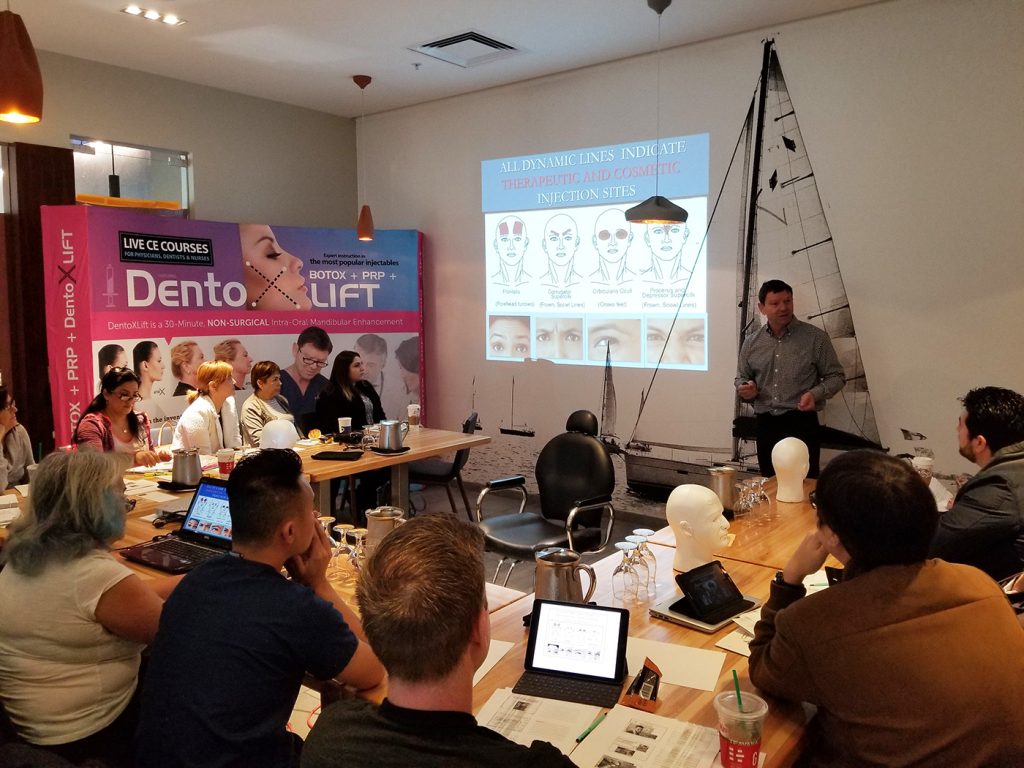
Botox training gives healthcare professionals the expertise to perform high-quality aesthetic treatments, advancing their careers.

Botox training gives healthcare professionals the expertise to perform high-quality aesthetic treatments, advancing their careers.

The prospects for Botox training courses are increasingly promising, reflecting the escalating demand for non-invasive aesthetic procedures in the modern era. As Botox continues to be a top choice for individuals seeking facial rejuvenation, the need for proficient practitioners grows. This demand creates significant opportunities for professional growth and development within aesthetic medicine.

Expanding Career Opportunities

Botox training courses provide healthcare professionals with the essential skills to deliver high-quality aesthetic treatments, thus opening new avenues for career advancement. These courses are designed to equip practitioners with a deep understanding of facial anatomy, injection techniques, and patient care protocols. As a result, trained professionals can offer a wider range of services, making them more competitive and versatile in the job market.

Meeting Market Demand

The popularity of non-invasive cosmetic procedures, including Botox, is on an upward trajectory. Patients increasingly prefer treatments that offer minimal downtime and less invasive options compared to traditional surgical methods. By completing Botox training courses, practitioners can meet this growing demand, ensuring they remain relevant and in demand within the industry.

Enhancing Professional Reputation

Completing a Botox training course can significantly enhance a practitioner’s professional reputation. The comprehensive training provides not only technical skills but also an understanding of best practices and ethical considerations in aesthetic medicine. This thorough preparation helps practitioners build trust with their patients, ensuring high levels of patient satisfaction and loyalty.

Staying Current with Advancements

The field of aesthetic medicine is characterized by rapid technological advancements and evolving techniques. Botox training courses are regularly updated to include the latest research findings, technological innovations, and regulatory changes. This ensures that practitioners who undergo such training remain at the forefront of the industry, providing cutting-edge treatments to their patients.

Building a Collaborative Network

Participating in Botox training courses allows practitioners to connect with peers, mentors, and industry leaders. This network can be invaluable for ongoing professional development, offering support, knowledge exchange, and collaborative opportunities. Being part of a professional community fosters continuous learning and improvement, which is essential for long-term success in the field.

Patient Safety and Satisfaction

The ultimate goal of any medical aesthetic procedure is to enhance patient well-being and satisfaction. Botox training courses emphasize patient safety, teaching practitioners how to tailor treatments to individual needs while minimizing risks. This patient-centric approach ensures that practitioners can deliver high-quality, personalized care, leading to better patient outcomes and higher satisfaction rates.

Financial Incentives

The financial prospects of offering Botox treatments are substantial. As the demand for non-invasive aesthetic procedures rises, so does the potential for increased revenue streams. For healthcare providers, adding Botox treatments to their services can attract a broader client base and boost overall profitability. Well-trained practitioners are often able to command higher fees, reflecting their expertise and the quality of their services.

Personal Fulfillment

Beyond financial and professional gains, mastering Botox treatments can bring significant personal fulfillment. Helping patients achieve their aesthetic goals can be highly rewarding, fostering a sense of accomplishment and satisfaction. Practitioners often find great joy in seeing their work’s positive impact on their patients’ confidence and quality of life.

Future Outlook

Looking to the future, the prospects for Botox training courses are bright. With continuous advancements in technology and techniques, the field of aesthetic medicine will continue to evolve, offering even more opportunities for innovation and excellence. As more healthcare professionals seek to diversify their skills and services, botox training will remain a crucial component of their professional development.

In conclusion, Botox training courses offer a multitude of prospects for healthcare practitioners. From expanding career opportunities and meeting market demand to enhancing professional reputation and patient satisfaction, these courses provide the foundation for a successful career in aesthetic medicine. As the industry grows and evolves, the value of comprehensive Botox training will only increase, making it an indispensable investment for those looking to excel in this dynamic and rewarding field.

Exploring the Best Dermal Fillers for Nasolabial Folds

Hyaluronic acid fillers effectively treat nasolabial folds, compatible with the body's natural substances.

Hyaluronic acid fillers effectively treat nasolabial folds, compatible with the body’s natural substances.

As we age, the appearance of wrinkles, creases, and deep folds can diminish our confidence and detract from our natural beauty. Fortunately, advancements in aesthetic medicine offer effective solutions to address these concerns. Among the top treatments for restoring volume to nasolabial folds, hyaluronic acid (HA) fillers stand out as a popular choice. In this article, we delve into the various aspects of dermal fillers for nasolabial folds, exploring their effectiveness, safety, and benefits.

Understanding Nasolabial Folds

Nasolabial folds, commonly known as “laugh lines” or “smile lines,” are facial wrinkles that extend from the sides of the nose to the corners of the mouth. These folds become more pronounced with age, evolving from dynamic wrinkles that appear during smiling to static creases that are visible even at rest. While aging is a primary contributor to nasolabial folds, factors such as repeated facial expressions, reduced collagen production, sun damage, and volume loss also play a role in their development.

Considerations Before Choosing a Filler

Before opting for a filler to address nasolabial folds, individuals should consider several factors. It’s essential to consult with a board-certified medical professional who can assess individual needs and recommend suitable treatment options. In some cases, combined procedures may be necessary for optimal results. Additionally, patients should factor in the cost of treatment, potential side effects, and overall risks associated with injectable fillers. Open communication with healthcare providers ensures informed decision-making and personalized treatment plans.

Importance of Choosing the Right Filler

Selecting the most appropriate dermal filler requires a thorough understanding of product characteristics, including viscosity, elasticity, and longevity. These factors influence how the filler interacts with the skin, its integration within tissue layers, and the duration of results. Balancing efficacy with safety is paramount to minimize adverse reactions such as swelling, bruising, or lumpiness. Moreover, considering the desired aesthetic outcome is crucial, as different fillers offer varying degrees of subtlety and naturalness in results.

Types of Fillers for Nasolabial Folds

Hyaluronic acid (HA) fillers are among the most commonly used options for treating nasolabial folds due to their compatibility with the body’s natural substances. HA fillers effectively restore volume, smooth wrinkles, and improve skin texture with minimal downtime and few side effects.

Benefits of Smile Line Filler

Utilizing dermal fillers to address nasolabial folds offers numerous advantages, including:

  1. Youthful appearance
  2. Enhanced facial symmetry
  3. Midface “lifted” appearance
  4. Smoother skin texture
  5. Reduced visibility of wrinkles and lines
  6. Quick, nearly painless procedure
  7. Minimal downtime
  8. Potential collagen production stimulation
  9. Immediate and long-lasting results
  10. Non-surgical and non-invasive approach
  11. Compatibility with other filler treatments

Procedure and Mechanism of Action

The procedure involves strategically injecting hyaluronic acid-based fillers into the skin to restore volume and smooth out nasolabial folds. Hyaluronic acid attracts moisture to the area, plumping the skin from within and reducing the appearance of wrinkles. Additionally, these fillers may stimulate the body’s collagen production, improving skin elasticity and resilience over time.

Conclusion

Dermal fillers offer a safe, effective, and minimally invasive solution for addressing nasolabial folds and restoring a youthful appearance. By choosing the right filler and working closely with experienced healthcare providers, individuals can achieve natural-looking results and enhance their overall confidence. With proper consideration of individual needs, goals, and safety precautions, dermal filler treatments for nasolabial folds can be a transformative experience, rejuvenating the face and restoring a radiant, youthful glow.

Maximizing and Sustaining Botox Efficacy: 8 Strategies for Prolonging Results

A holistic approach that includes skincare, lifestyle changes, and continuous treatments is needed to maximise Botox's results.

To prolong the effectiveness of Botox, a comprehensive approach involving skincare, lifestyle adjustments, and ongoing treatments is required.

Botox injections have become a staple in the pursuit of youthful and vibrant skin. However, maintaining the longevity of Botox results requires more than just the injection itself. To amplify and preserve the effects of Botox, it’s essential to adopt a comprehensive approach that encompasses skincare, lifestyle adjustments, and ongoing treatments. Here are eight expert-backed tips to help you make your Botox last longer:

1. Prioritize Skin Health Holistically

Optimal skin health lays the foundation for successful Botox outcomes. Enhance skin elasticity and collagen production by focusing on internal factors such as hydration, regular exercise, and a nutrient-rich diet. Adequate hydration and a balanced intake of antioxidants and protein contribute to skin vitality, supporting the efficacy and durability of Botox treatments.

2. Incorporate Medical-Grade Skincare

Elevate your skincare regimen with medical-grade products tailored to enhance the effects of Botox. Introducing toner, eye gel, moisturizer, and mineral-grade sunscreen into your daily routine can bolster skin health and provide essential support for Botox treatments. Look for reputable brands recommended by experienced providers and medical aestheticians.

3. Supplement with Intermittent Skin Treatments

Complement your Botox regimen with professional skin treatments designed to address specific concerns such as fine lines, wrinkles, and uneven texture. Chemical peels, microneedling, laser skin resurfacing, and dermaplaning are all specific ways to improve the effects of Botox by speeding up the turnover of cells, increasing collagen production, and making the skin more receptive.

4. Maintain Consistency

Consistent Botox treatments every 3–4 months yield cumulative benefits by gradually relaxing facial muscles over time. This cumulative effect extends the duration of Botox results, potentially reducing the frequency of future treatments and optimizing cost-effectiveness. Initiate a regular treatment schedule with appointments spaced three months apart, reassessing the interval’s suitability after one year.

5. Adhere to Post-Treatment Protocols

The immediate post-injection period is critical for optimizing Botox efficacy. Adhere to post-treatment instructions diligently to minimize interference with the product’s settling process. Avoid strenuous physical activity, prolonged sun exposure, and activities that elevate body temperature to ensure optimal product absorption and longevity. Incorporating a post-injection serum into your skincare routine can further mitigate any immune response at the injection site.

6. Protect Against UV Damage

Protecting your skin from harmful UV rays is essential for preserving Botox results and overall health. Sun exposure accelerates collagen degradation and compromises the effectiveness of Botox. Limit outdoor activities during peak sun hours and apply SPF 50 sunscreen daily to safeguard against UV-induced damage and maintain the integrity of your investment.

7. Cultivate a Long-Term Relationship with Your Injector

Establishing rapport with a trusted Botox provider is paramount for achieving consistent and long-lasting results. A skilled injector with expertise in facial aesthetics can personalize treatment strategies based on your unique facial anatomy and muscle dynamics. Continuity of care with the same injector facilitates a deeper understanding of your individual response to Botox, optimizing treatment outcomes and longevity. Additionally, your injector can collaborate with you to devise a tailored at-home maintenance plan for prolonged efficacy. Choose an injector with demonstrated expertise and a track record of client satisfaction. Prioritize qualifications, experience in facial aesthetics, and positive online reviews when selecting a provider to ensure optimal treatment outcomes and patient safety.

8. Request Minor Adjustments as Needed

Patience is key when evaluating Botox results, as optimal outcomes may take up to two weeks to manifest fully. If you perceive any areas requiring refinement after this period, don’t hesitate to request a minor touch-up from your injector. Many practitioners offer complimentary touch-up sessions within a specified timeframe post-injection to address minor discrepancies and prolong the longevity of treatment results. Your injector will assess your response to treatment and determine the necessity of any additional adjustments to achieve your desired aesthetic outcome.

By implementing these strategies, individuals can maximize the efficacy and durability of Botox treatments, achieving sustained improvements in skin appearance and confidence. Consistent adherence to skincare practices, lifestyle modifications, and collaborative partnerships with experienced injectors are integral to unlocking the full potential of Botox and achieving enduring aesthetic enhancements.

Botox for Novices: The Comprehensive Guide to the Contemporary Cosmetic Procedure

Botox has changed the landscape of cosmetic medicine by providing a risk-free way to reduce wrinkles and rejuvenate treatment.

Botox has changed the landscape of cosmetic medicine by providing a minimal-risk way to reduce wrinkles and rejuvenate treatments.

In the domain of aesthetic enhancements, few interventions have garnered as much traction and universal acceptance as Botox. Acknowledged for its capacity to mitigate wrinkles and fine lines, Botox has ascended to a ubiquitous status emblematic of vitality and rejuvenation. However, for novices, navigating the milieu of Botox can prove daunting. From comprehending the essence of Botox to its mechanism of action and anticipated outcomes during treatment, this introductory compendium endeavors to elucidate Botox and furnish fundamental insights for individuals contemplating this cosmetic modality.

Understanding Botox

Botox, an abbreviation for botulinum toxin, epitomizes a neurotoxic protein extracted from the bacterium Clostridium botulinum. Despite its inherent toxicity, when administered in minute, controlled dosages, Botox emerges as a potent adjunct in cosmetic medicine. Its modus operandi revolves around transiently paralyzing or enfeebling muscles, thereby mitigating the prominence of wrinkles and lines attributable to repetitive facial gestures.

Mechanism of Botox Action

Botox exerts its effects by impeding nerve-to-muscle signals and precluding muscle contractions. Muscles subjected to perpetual contraction due to repetitive movements, such as furrowing or squinting, are predisposed to wrinkle formation over time. Through the inhibition of muscle contractions, Botox facilitates the attenuation of extant wrinkles and forestalls the genesis of novel ones, culminating in a more youthful and invigorated visage.

Common Botox Treatment Areas

  1. Glabellar Lines (Frown Lines): Vertical furrows manifesting between the eyebrows, colloquially dubbed “11” lines or frown lines, constitute a prevalent target for Botox intervention.
  2. Frontal Lines: Horizontal creases delineating the forehead due to muscular activity are amenable to efficacious treatment with Botox injections.
  3. Periorbital Rhytids (Crow’s Feet): Delicate lines and creases emanating from the ocular corners, commonly referred to as crow’s feet, can be smoothed with Botox.
  4. Nasal Creases (Bunny Lines): These wrinkles, conspicuous upon smiling or scrunching the nose, can be mollified with Botox to impart a softened appearance.
  5. Mandibular Contouring: Botox administration along the mandibular contour relaxes muscles, fostering a slenderized and refined jawline aesthetic.

Treatment Experience

  1. Preliminary Consultation: The inaugural phase of Botox intervention entails a comprehensive consultation with a proficient healthcare professional, typically a dermatologist or plastic surgeon. This session encompasses the evaluation of facial morphology, delineation of aesthetic objectives, and formulation of a tailored treatment strategy.
  2. Injection Procedure: Botox injections are dispensed utilizing fine-gauge needles, directly targeting musculature. The procedure is expeditious and minimally invasive, affording negligible post-procedural downtime.
  3. Sensory Perception: Some individuals may encounter mild discomfort or a fleeting stinging sensation during injections, which is generally well-tolerated.
  4. Outcome Realization: The efficacy of Botox injections typically manifests within several days to a week post-treatment, with maximal effects discernible within a fortnight. The duration of effectiveness varies among individuals, albeit typically spanning three to four months before necessitating reiteration.

Potential Adverse Effects

While Botox administration under the aegis of a proficient healthcare provider is deemed safe, prospective risks and side effects include:

  • Ecchymosis: Transient discoloration at the injection locale is commonplace, usually resolving within a brief period.
  • Edema: Mild edema or erythema at the injection site may transiently ensue, yet typically subsides expeditiously.
  • Cephalalgia: Occasional individuals may experience mild headaches after Botox administration, albeit rare and self-resolving.
  • Eyelid Ptosis: Infrequently, periorbital Botox injections may precipitate transient eyelid ptosis, spontaneously ameliorating within weeks.

Conclusion

Botox has metamorphosed the landscape of cosmetic medicine, offering a secure and efficacious remedy for wrinkle mitigation and aesthetic rejuvenation. For beginners, learning the basic rules of Botox, such as how it works, where it is usually used, how the procedure works, and what effects might happen, is important for making smart choices about whether Botox is a good choice as an intervention. Going on a Botox odyssey becomes a confident venture under the direction of qualified hands by having thoughtful discussions with a skilled healthcare professional and outlining personal aesthetic goals.

Daxxify vs Botox: Which One Will Elevate Your Aesthetic Journey?

Selection between Daxxify and Botox needs careful evaluation of personal preferences, treatment goals, and professional guidance

Selection between Daxxify and Botox needs careful evaluation of personal preferences, treatment goals, and professional guidance.

In the pursuit of age-defying beauty and radiant skin, neuromodulators have emerged as go-to solutions. Botox, a household name in cosmetic enhancement, has long been synonymous with wrinkle reduction and facial rejuvenation. However, the advent of Daxxify, a newly FDA-approved alternative, offers a fresh perspective on achieving youthful skin with enhanced features. Delving into the details of these two treatments is key to making an empowered decision tailored to your unique needs. Let’s explore the captivating world of Daxxify and Botox, focusing on their efficacy, longevity, aesthetic outcomes, safety, and value.

A Closer Look at Neuromodulators

Neuromodulators are essential in cosmetic procedures because they relax facial muscles and minimize the appearance of wrinkles by altering nerve signals. Botox has established a benchmark for safety and effectiveness as the industry leader. However, Daxxify promises to revolutionize neuromodulator therapies with its state-of-the-art peptide exchange technology, which means it will provide longer-lasting results and better advantages.

Understanding Botox

Botox, also known as botulinum toxin type A, exerts its effects by inhibiting nerve conduction, leading to temporary muscle paralysis. FDA-approved for various cosmetic and medical indications, including forehead lines, frown lines, crow’s feet, and migraines, Botox has garnered widespread acclaim for its remarkable efficacy and versatility. Its off-label use extends to different facial and body areas, providing a comprehensive solution for wrinkle reduction and muscle spasms.

Introducing Daxxify

Daxxify represents a groundbreaking advancement in the realm of neuromodulators, boasting a unique formulation enriched with peptide exchange technology. This innovative approach enhances Daxxify’s binding affinity to facial nerves, ensuring prolonged efficacy and superior results. While currently FDA-approved for frown lines, Daxxify’s off-label applications extend across diverse facial and body regions, offering a promising alternative to traditional neuromodulators.

Exploring the Differences: Daxxify vs. Botox

Longevity of Results

Daxxify distinguishes itself from Botox with its unparalleled longevity of results. While Botox typically lasts three to four months, Daxxify offers extended efficacy, with some individuals experiencing benefits for six months or more. This remarkable duration is attributed to Daxxify’s peptide exchange technology, which optimizes its binding affinity and sustains its action at the neuromuscular junction.

Speed of Results

While both Daxxify and Botox deliver visible improvements in wrinkle reduction, Daxxify demonstrates a swifter onset of action. While Botox may take up to two weeks for full results to manifest, Daxxify may reveal noticeable enhancements within one to two days post-treatment. This rapid onset ensures a quicker path to rejuvenated skin, enhancing the overall treatment experience for patients.

Appearance

Daxxify’s peptide technology not only diminishes wrinkles but also enhances skin quality, resulting in a radiant, rejuvenated complexion. When you inject Botox, the results can be different depending on how you do it. But Daxxify’s peptide-enhanced formula gives you results that look natural, making the areas you treat look better overall, especially the forehead.

Side Effects

Both Daxxify and Botox share similar side effect profiles, including bruising, headaches, and swelling. However, due to Daxxify’s prolonged efficacy, adverse effects such as drooping brows or lid ptosis may persist longer in some individuals. Nonetheless, these risks are mitigated through thorough consultation with a board-certified professional, ensuring optimal safety and satisfaction.

Cost

While the cost of Daxxify and Botox treatments may vary, Daxxify’s advanced technology and longer-lasting effects may incur a slightly higher cost. However, the value of the extended efficacy and enhanced benefits offered by Daxxify outweigh the modest difference in price, making it a compelling investment in long-term skin rejuvenation and youthful vitality.

Conclusion

In the dynamic landscape of aesthetic medicine, choosing between Daxxify and Botox requires careful consideration of individual preferences, treatment goals, and medical advice. While Botox remains a trusted option with proven efficacy, Daxxify emerges as a beacon of innovation, offering extended duration and peptide-enhanced benefits. Ultimately, partnering with a board-certified professional ensures personalized guidance and optimal outcomes, empowering you to embark on a transformative journey towards radiant, rejuvenated skin. Whether opting for Botox or Daxxify, rest assured that your choice prioritizes safety, efficacy, and enduring beauty, elevating your aesthetic journey to new heights of confidence and allure.


Safeguarding Your Beauty: A Guide to Avoiding Counterfeit Botox

Fake Botox is a major concern since it endangers people's health and the effectiveness of cosmetic procedures.

Fake Botox is a major concern since it endangers people’s health and the effectiveness of cosmetic procedures.

In a world where beauty standards are increasingly emphasized and sought after, cosmetic procedures have become a standard route to achieving desired appearances. Among these procedures, Botox injections have gained immense popularity for their ability to reduce wrinkles and fine lines, giving individuals a rejuvenated and youthful appearance. However, with the rise in demand for Botox treatments, there has been a corresponding surge in counterfeit products infiltrating the market, posing significant risks to consumers. In this article, we delve into the dangers of counterfeit Botox and provide valuable insights on how to safeguard yourself from falling victim to these fraudulent practices.

Understanding Botox

Before delving into the complexities of counterfeit Botox, it’s crucial to comprehend what Botox actually is. The bacterium Clostridium botulinum produces the neurotoxic protein known as “Botox,” short for “Botulinum Toxin.” In cosmetic procedures, it is used to temporarily paralyze muscle activity, thus reducing the appearance of wrinkles and fine lines. Botox injections are typically secure and effective when given in the proper doses by a licensed medical professional.

The Dangers of Counterfeit Botox

Counterfeit Botox presents a plethora of risks to unsuspecting consumers. These fraudulent products are typically manufactured without adhering to stringent quality control measures and may contain harmful substances or incorrect dosages, posing serious health threats. Some of the potential dangers associated with counterfeit Botox include:

  1. Health Risks: Counterfeit Botox may contain unknown and potentially toxic substances, leading to adverse reactions such as allergic reactions, infections, or even permanent damage to facial muscles and nerves.
  2. Ineffectiveness: Counterfeit Botox may lack the active ingredient or contain insufficient concentrations, rendering the treatment ineffective in achieving the desired cosmetic outcomes.
  3. Legal Implications: Purchasing and administering counterfeit Botox is not only hazardous to one’s health but also illegal. Individuals involved in distributing or administering counterfeit cosmetic products may face legal repercussions.

How to Spot Counterfeit Botox

Given the grave consequences associated with counterfeit Botox, it is imperative to be vigilant and equipped with the knowledge to identify authentic products. Here are some key indicators to help you distinguish genuine Botox from counterfeit versions:

  1. Source Verification: Always procure Botox injections from reputable sources, such as licensed medical professionals, certified clinics, or authorized distributors. Avoid purchasing Botox from online marketplaces or unverified sources, as they are more susceptible to counterfeit products.
  2. Packaging and Labeling: Authentic Botox products are meticulously packaged and labeled with clear branding, batch numbers, expiration dates, and manufacturer information. Examine the packaging for any signs of tampering, discrepancies in labeling, or spelling errors, which are common red flags of counterfeit products.
  3. Price Discrepancies: While cost should never be compromised over safety, significantly lower prices compared to market standards could indicate the presence of counterfeit Botox. Beware of offers that seem too good to be true, as they often involve counterfeit or diluted products.
  4. Professional Accreditation: Make sure the Botox injector is a licensed medical practitioner with the necessary education and certification. Licensed physicians, dermatologists, or certified injectors possess the expertise to administer Botox injections safely and can verify the authenticity of the product.

The Importance of Due Diligence

When it comes to cosmetic procedures like Botox injections, exercising due diligence is paramount. Prioritize your safety and well-being by conducting thorough research, seeking recommendations, and verifying the credentials of the healthcare provider or clinic offering Botox treatments. Remember that the pursuit of beauty should never compromise your health or integrity.

Conclusion

Counterfeit Botox poses significant threats to both the efficacy of cosmetic treatments and the safety of consumers. By familiarizing yourself with the telltale signs of counterfeit products and adhering to stringent standards when procuring Botox injections, you can mitigate the risks associated with counterfeit cosmetics. Prioritize authenticity, safety, and professionalism in your pursuit of aesthetic enhancements, and always consult with qualified medical professionals for guidance and expertise. Safeguarding your beauty begins with making informed choices and protecting yourself from the perils of counterfeit Botox.


A Rejuvenating Look: How Botox Can Revive Your Skin

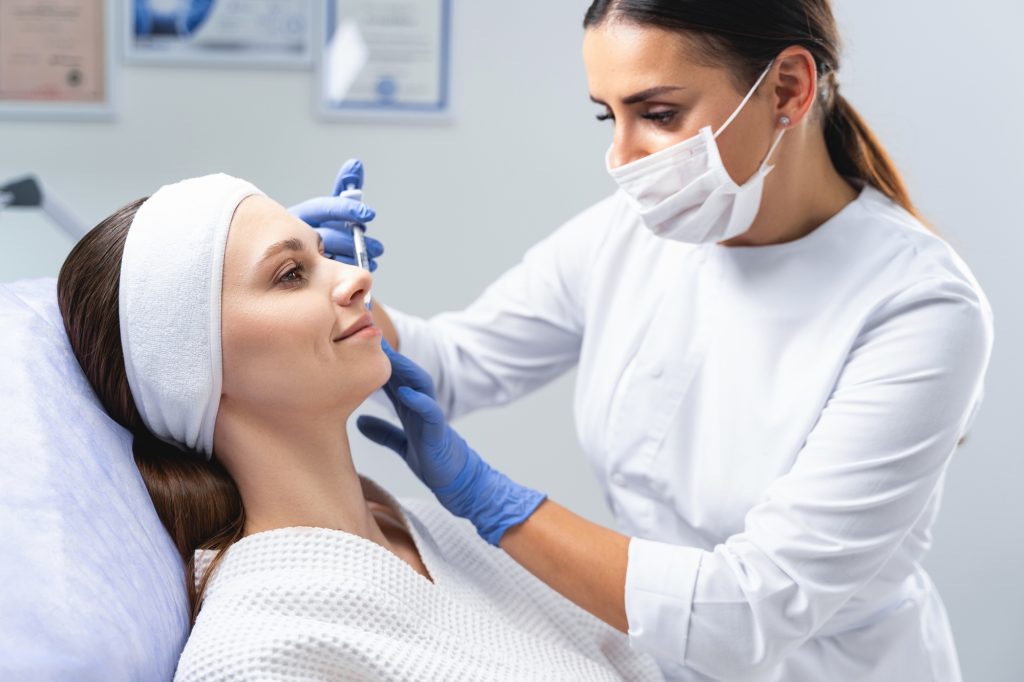
Botox is injected straight into the targeted facial muscles with a tiny needle.

Botox is injected straight into the targeted facial muscles with a tiny needle.

In cosmetic procedures, few treatments have garnered as much attention and widespread acclaim as Botox. Renowned for its remarkable ability to diminish wrinkles, fine lines, and facial creases, Botox has become a household name synonymous with youthful rejuvenation. As one of the most popular non-surgical cosmetic treatments available, Botox offers a safe, effective, and minimally invasive solution for addressing various signs of aging. This article will delve into Botox treatment, uncovering its benefits, procedure details, and considerations for those considering this transformative anti-aging solution.

Understanding Botox Treatment

Botox, derived from the bacterium Clostridium botulinum, is a neurotoxic protein known scientifically as Botulinum toxin. When administered in small, controlled doses, Botox temporarily relaxes the muscles responsible for causing dynamic wrinkles, such as crow’s feet, frown lines, and forehead wrinkles. This relaxation leads to smoother, more youthful-looking skin and a refreshed appearance.

Benefits of Botox Treatment

Wrinkle Reduction: One of the primary benefits of Botox treatment is its effectiveness in reducing the appearance of fine lines and wrinkles, particularly those caused by repetitive facial movements such as smiling or squinting.

Preventative Aging: Botox can also be used preventatively to delay the formation of wrinkles by inhibiting muscle movement in areas prone to developing lines over time. Many individuals opt for Botox as a proactive measure to maintain youthful skin and prevent the onset of aging signs.

Non-Invasive: Unlike surgical procedures, Botox treatment is minimally invasive and requires no downtime. Patients can typically resume their normal activities immediately after the procedure, making it a convenient option for those with busy lifestyles.

Customizable Results: Botox treatment can be tailored to each patient’s unique aesthetic goals, ensuring natural-looking results that enhance their features without compromising facial expression. Cosmetic providers work closely with patients to achieve their desired outcomes while preserving their individuality.

Quick and Convenient: Botox injections are typically fast and convenient, with most treatments taking just 10–15 minutes to complete. This makes Botox an ideal option for individuals seeking noticeable results without the need for extensive time commitments.

Procedure Details

Consultation: The Botox treatment journey begins with an initial consultation, during which the cosmetic provider assesses the patient’s facial anatomy, discusses their goals and expectations, and develops a customized treatment plan. This consultation is crucial for ensuring that the patient’s concerns are addressed and that realistic expectations are established.

Injection Process: Botox is administered through a series of injections directly into the targeted facial muscles using a fine needle. The number of injections and the amount of Botox used will vary depending on the treatment area and the severity of the wrinkles. Patients may experience mild discomfort during the injection process, which is typically brief and well-tolerated.

Results: Patients may begin to notice improvements in their appearance within a few days of receiving Botox treatment, with full effects typically becoming apparent within 1–2 weeks. The results of Botox treatment typically last 3–4 months, after which maintenance treatments may be recommended to sustain the effects. Regular follow-up appointments allow cosmetic providers to monitor the patient’s progress and make any necessary adjustments to their treatment plan.

Considerations Before Undergoing Botox Treatment

Qualifications: Choosing a qualified and experienced cosmetic provider trained in administering Botox injections is essential. Patients should research potential providers thoroughly, ensuring they have the credentials and expertise to deliver safe and effective results.

Side Effects: While Botox is generally safe, some patients may experience temporary side effects such as bruising, swelling, or drooping eyelids following treatment. These effects are usually mild and resolve on their own within a few days. Patients should discuss any concerns or potential risks with their cosmetic provider before undergoing treatment.

Maintenance: It is essential to understand that Botox treatment is not permanent, and regular maintenance treatments are necessary to maintain the desired results over time. Patients should be prepared to schedule follow-up appointments to ensure long-lasting benefits, as their cosmetic provider suggests.

In conclusion, Botox treatment offers a safe, effective, and minimally invasive solution for reducing wrinkles and achieving a more youthful appearance. Whether seeking to smooth fine lines, prevent future wrinkles, or refresh one’s overall look, Botox can help individuals achieve their aesthetic goals with natural-looking results. By understanding the benefits, procedure details, and considerations involved in Botox treatment, patients can make informed decisions about whether this transformative anti-aging solution is right for them. Consulting with a qualified cosmetic provider is the first step toward unlocking the rejuvenating benefits of Botox and embracing a more youthful version of oneself.

Navigating Cosmetic Procedures with Psoriasis: Understanding the Safety of Botox

Patients with psoriasis can safely use Botox injections for aesthetic purposes with proper disease management and guidance from medical professionals.

Patients with psoriasis can safely use Botox injections for aesthetic purposes with proper disease management and guidance from medical professionals.

For individuals managing psoriasis, the prospect of undergoing cosmetic procedures may seem daunting. Concerns about skin trauma and the potential worsening of symptoms often lead to apprehension about treatments such as Botox injections. However, with proper management and medical experts’ guidance, many psoriasis individuals can safely explore cosmetic enhancements.

Understanding Psoriasis and Skin Health

Psoriasis is a chronic autoimmune condition characterized by inflammation and the rapid turnover of skin cells, forming thick, red patches covered with silvery scales. During active disease states, the inflammatory response in the skin is heightened, increasing the risk of complications and skin reactions to external stimuli.

The Impact of Psoriasis on Cosmetic Procedures

Psoriasis is known to be aggravated by skin trauma, a phenomenon known as the Koebner phenomenon. This means that injuries to the skin, such as burns or cuts, can trigger the development of psoriatic lesions in affected individuals. Consequently, many people with psoriasis are wary of undergoing cosmetic procedures that involve needles, lasers, or chemical peels due to concerns about exacerbating their condition.

The Role of Disease Control in Cosmetic Treatment

However, the decision to pursue cosmetic procedures should not be solely determined by the presence of psoriasis. When the condition is well-controlled with appropriate treatment, individuals may find that they are suitable candidates for certain cosmetic interventions. The risk of experiencing a flare-up after a cosmetic procedure can be minimized by effectively managing psoriasis symptoms.

Insights from Medical Studies

Recent studies have clarified the safety of cosmetic treatments for patients with psoriasis. Nine out of ten people with moderate to severe psoriasis could undertake cosmetic procedures after starting treatment to relieve their lesions, according to a study published in 2020. To guarantee the safety and effectiveness of cosmetic procedures, it is crucial to achieve disease control.

Exploring Botulinum Toxin Injections (Botox)

Botox injections, a popular cosmetic treatment for reducing fine lines and wrinkles, are often a source of concern for individuals with psoriasis. However, understanding the mechanism of action and potential risks associated with Botox can help alleviate apprehensions.

What Are Botox Injections?

Botulinum toxin, more commonly known as Botox, is a protein neurotoxin that temporarily inhibits muscular contractions by blocking nerve signals. Muscle relaxation is a frequent method for reducing the appearance of wrinkles and fine lines on the face and neck.

Risks Associated with Botox Injections

There are a few things to keep in mind regarding the risks and side effects of Botox injections, even though they are notoriously safe. Side effects such as injection site edema, redness, or bruising could occur as a temporary concern. However, these side effects are usually minimal and disappear after a day.

Safety Measures for Botox Injections

Many people who are thinking about getting Botox injections should take extra care to avoid any adverse side effects. Because they raise the risk of bruising, nonsteroidal anti-inflammatory drugs (NSAIDs) are typically advised to avoid them for at least two days before the procedures. Another thing you can do to lessen the chances of bruising is to refrain from drinking anything for at least 24 hours before your treatment.

Consulting with a Medical Professional

Before undergoing any cosmetic procedure, individuals with psoriasis should consult with a medical professional to assess their suitability and discuss potential risks and benefits. A medical professional can provide personalized recommendations based on the individual’s unique skin condition and treatment history.

Conclusion: Empowering Choices with Psoriasis

In conclusion, individuals with psoriasis should feel free to pursue cosmetic enhancements. With proper disease management and guidance from healthcare professionals, many individuals can safely explore treatments such as Botox injections to address aesthetic concerns. By prioritizing disease control and seeking expert advice, individuals with psoriasis can make informed decisions that support their overall well-being and confidence.