Category: Houston Botox Training

Spotting Fake Botox: Protecting health from ‘Faux-Tox’ and Counterfeit Beauty Products
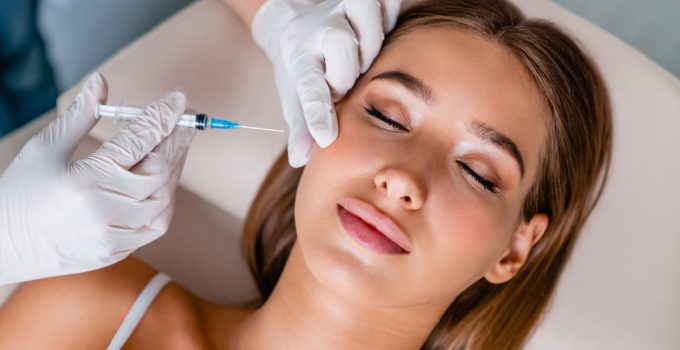
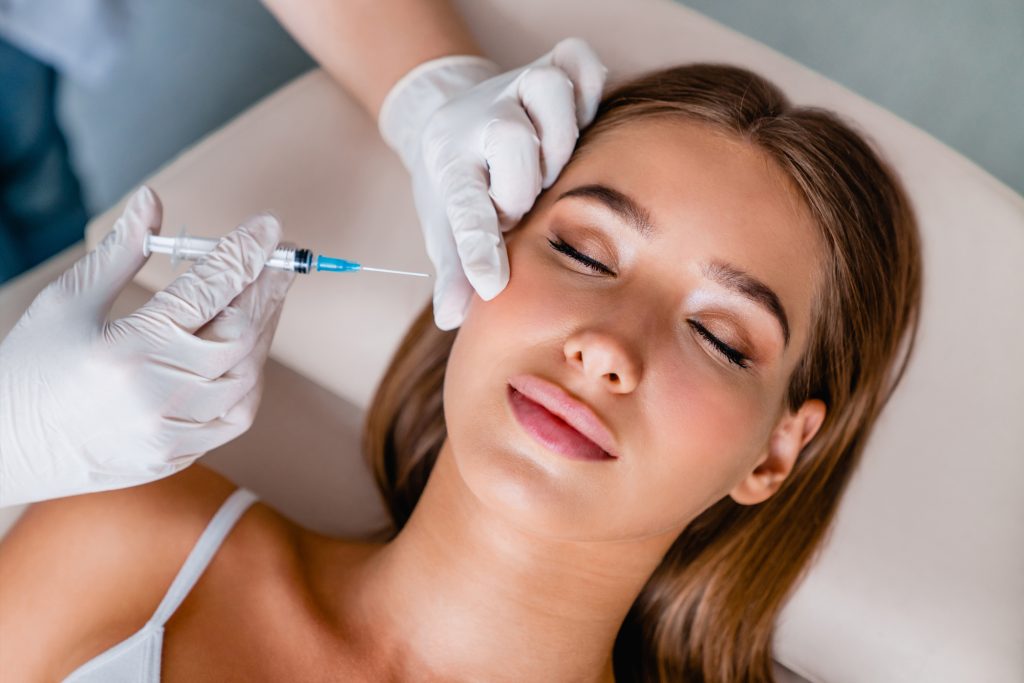
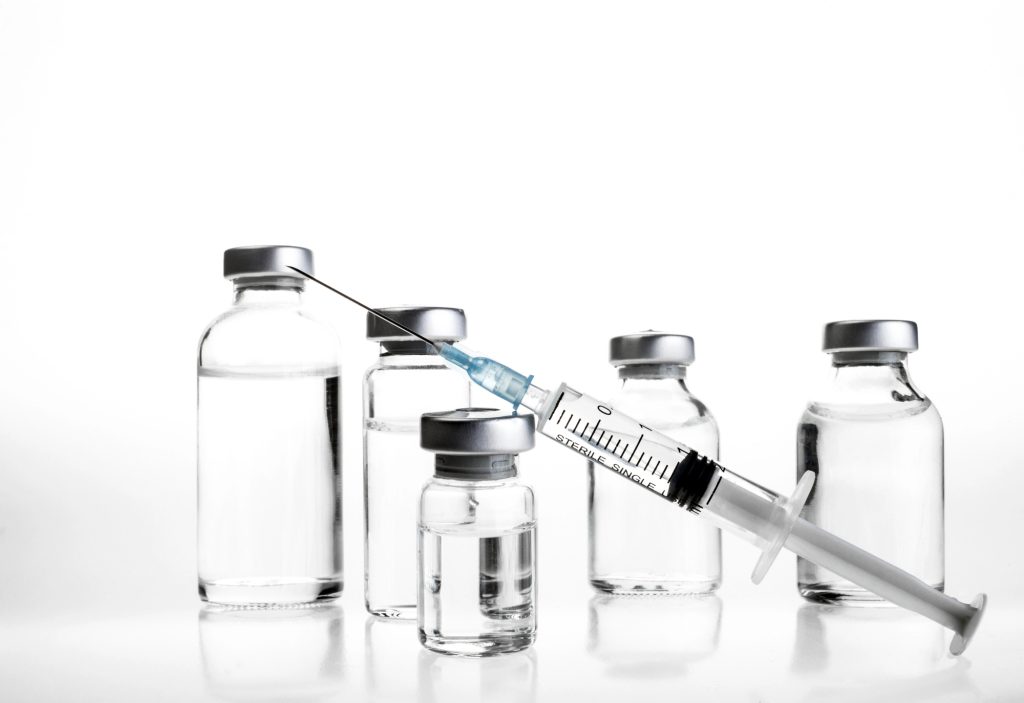
The potent neurotoxin botulinum toxin, commonly known as Botox, requires careful handling and administration by qualified medical personnel.

The potent neurotoxin botulinum toxin, commonly known as Botox, requires careful handling and administration by qualified medical personnel.

The increasing popularity of aesthetic procedures has unfortunately led to a rise in counterfeit products, among which fake Botox, or ‘Faux-Tox,’ stands out as particularly hazardous. Botulinum toxin, widely known by its commercial name Botox, is a potent neurotoxin that requires precise handling and administration by trained medical professionals. The proliferation of counterfeit Botox poses significant health risks, making it crucial for consumers to be vigilant and informed.

Understanding the Risks of ‘Faux-Tox’

Botulinum toxin type A, marketed as Botox, is a highly regulated pharmaceutical product. Due to its potent nature, it necessitates meticulous storage and handling to ensure its safety and efficacy. Unauthorized and counterfeit versions, referred to as ‘Faux-Tox,’ often bypass these critical safety measures, leading to potentially severe health consequences. The U.S. Food and Drug Administration (FDA) has actively seized numerous knockoff products, yet many still circulate, endangering unsuspecting consumers.

Health Implications of Counterfeit Botox

The administration of counterfeit Botox by untrained individuals in non-healthcare settings—such as homes, spas, or beauty salons—has resulted in hospitalizations. Patients who received these fake injections have one thing in common: people without the necessary medical training performed the procedures outside of a clinical setting. The dangers associated with these practices cannot be overstated. Adverse reactions to counterfeit Botox can range from mild skin irritations to severe systemic complications, potentially requiring emergency medical intervention.

Identifying Genuine Botox

As a consumer, safeguarding your health begins with the ability to distinguish genuine Botox from its counterfeit counterparts. Here are key indicators to help you identify authentic Botox products:

Check the Vial and Packaging
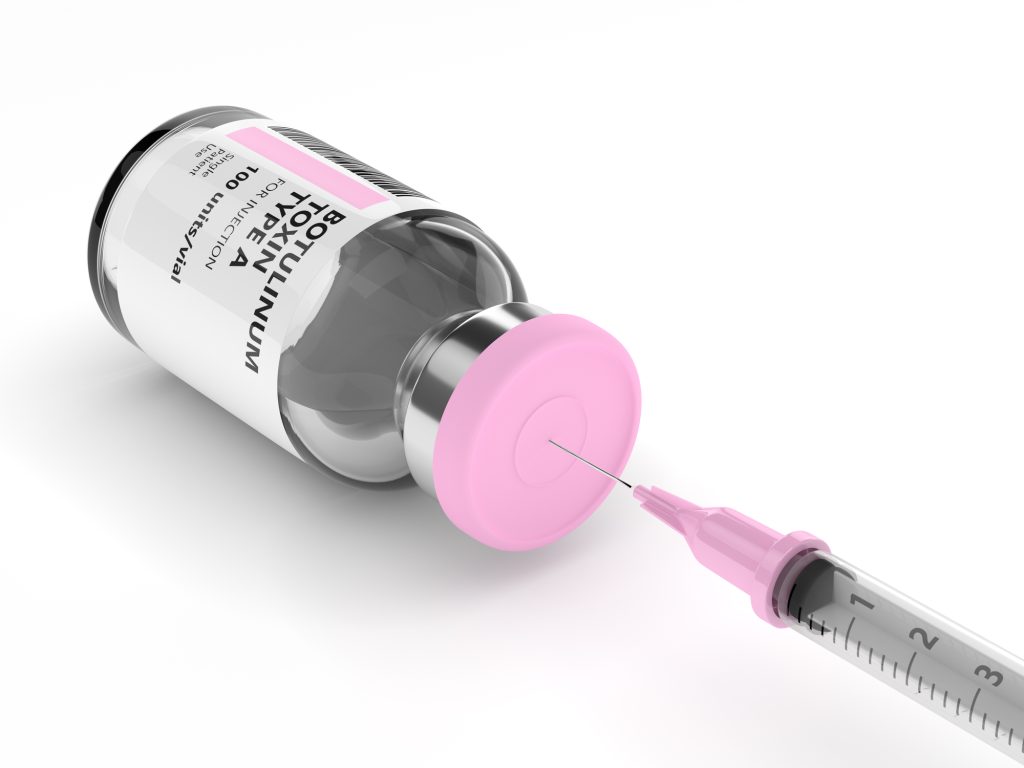
  1. Seal Integrity: Ensure the vial has an intact seal. A torn or tampered seal is a red flag indicating possible contamination or counterfeiting.
  2. Labeling Details: Authentic Botox vials will have specific labeling details, including:
    • Lot Number and Expiration Date: These are essential for tracking the product’s production and ensuring its potency.
    • Correct Naming: The name on the vial should start with “OnabotulinumtoxinA.” Deviations from this nomenclature can indicate a counterfeit product.
    • Manufacturer’s Name: The vial should clearly display the manufacturer’s name, typically Allergan for authentic Botox.
Beware of Unusually Low Prices

Discounted prices on Botox injections can be tempting, but they are often indicative of counterfeit products. Authentic Botox comes with substantial manufacturing and regulatory compliance costs, reflected in its price. Significant deviations from standard pricing should raise suspicion.

Scrutinize the Source

Promotional deals sent through email or social media channels frequently result in phishing schemes or counterfeit products.

Promotional deals sent through email or social media channels frequently result in phishing schemes or counterfeit products.

Purchasing Botox from reputable sources is crucial. Here are steps to ensure you are buying from a legitimate provider:

  1. Official Websites: Always shop from the official website of the brand or store. Verify the website address carefully; typos or unusual domain names can signal fraudulent sites.
  2. Avoid Email and Social Media Offers: Special offers or discounts sent via email or social media often lead to phishing scams or counterfeit products. It is best to avoid clicking on such links.
  3. Purchase in Person: Whenever possible, buy from a reputable business in person. Established clinics and licensed healthcare providers are more likely to offer genuine products and professional administration.

Educate Yourself and Communicate with Your Provider

As a patient or consumer, it is entirely appropriate to ask your healthcare provider about the specifics of the products being used. Inquire about the source of the Botox, and request to see the vial before administration. A legitimate provider will welcome your questions and provide transparent information about the product.

The Importance of Trained Administrators

Receiving Botox injections from trained medical professionals in a controlled clinical setting is paramount. These professionals have the expertise to handle the product correctly, administer precise dosages, and manage any potential complications. Non-medical settings and untrained individuals lack this critical knowledge, increasing the risk of adverse reactions.

The Broader Issue of Beauty Knockoffs

While ‘Faux-Tox’ is a significant concern, it is not the only counterfeit beauty product that poses risks. The market is flooded with knockoff skincare products, fillers, and other cosmetic treatments. These products often contain harmful ingredients and lack regulatory oversight, further endangering consumers.

Spotting Other Beauty Knockoffs

  1. Packaging and Labeling: Similar to Botox, examine the packaging of beauty products carefully. Authentic products will have detailed labeling, including ingredient lists, lot numbers, and expiration dates.
  2. Source Verification: Purchase from well-known and reputable sources. Avoid dubious websites and unauthorized sellers.
  3. Too Good to Be True Prices: If the price seems too good to be true, it probably is. Genuine beauty products come with a cost reflective of their quality and safety.

Conclusion

The rise of counterfeit beauty products, particularly ‘Faux-Tox,’ necessitates a heightened level of vigilance from consumers. Understanding the risks and learning to identify genuine products are critical steps in protecting your health. Always make sure that licensed professionals are administering Botox and other beauty treatments in appropriate clinical settings. By being informed and cautious, you can enjoy the benefits of cosmetic procedures without compromising your safety.

In summary, the key points to remember are:

  • Verify the integrity and labeling of the Botox vial.
  • Be cautious of unusually low prices.
  • Purchase from reputable and official sources.
  • Avoid email and social media offers.
  • Insist on trained professionals for administration.

By adhering to these guidelines, you can effectively avoid the dangers associated with counterfeit Botox and other beauty knockoffs, ensuring a safer and more satisfying medical aesthetic experience.
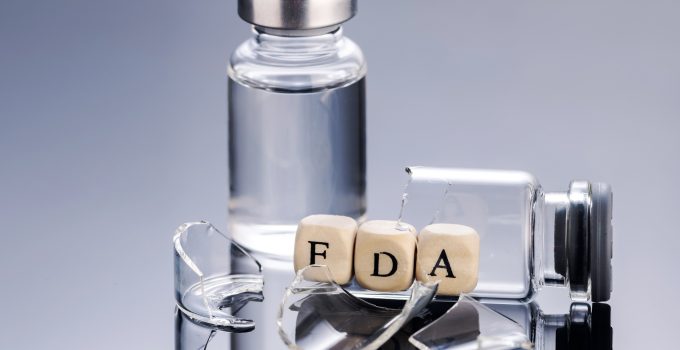
The Hidden Dangers of Fake Botox: Unmasking a Counterfeit Drug Crisis

 To reduce the dangers posed by counterfeit drugs, the Food and Drug Administration (FDA) is taking proactive measures.


To reduce the dangers posed by counterfeit drugs, the Food and Drug Administration (FDA) is taking proactive measures.

Administering Botox, a procedure involving the injection of botulinum toxin, inherently involves a significant level of trust. A concerning increase in cases of fake Botox shows how misplaced this trust has become.

As of mid-April 2024, 22 women across 11 states had reported adverse reactions after receiving fake Botox injections. These women, aged 25 to 59, primarily sought Botox for cosmetic enhancements, although Botox is also utilized in treating medical conditions such as chronic migraines, hyperhidrosis, overactive bladder, and strabismus. The adverse reactions mirrored the symptoms of botulism, a severe illness caused by botulinum toxin, including visual disturbances, dysphagia, dysarthria, respiratory difficulties, and facial muscle weakness.

The prevalence of counterfeit Botox is not an isolated issue but rather part of a broader problem of counterfeit drugs. High-demand, expensive medications are particularly susceptible to counterfeiting. For instance, Ozempic, a medication originally intended for diabetes management but now popular for weight loss, has seen extensive counterfeiting. By December 2023, reports surfaced about thousands of counterfeit units infiltrating the market. Similarly, an HIV treatment priced over $4,000 for a 30-day supply was found counterfeited in several U.S. pharmacies as early as 2020.

The exorbitant cost of prescription medications in the United States is well-documented. A survey in the U.S. revealed that nearly one-third of Americans find prescription costs financially burdensome. This financial strain drives some patients to seek more affordable alternatives, inadvertently fueling the counterfeit drug market. These counterfeit drugs, often produced overseas and illegally smuggled into the U.S., pose significant risks. They can contain incorrect or dangerous ingredients or incorrect dosages, making their safety and efficacy highly unpredictable.

To mitigate the risks associated with counterfeit drugs, the Food and Drug Administration (FDA) is actively addressing the issue. Despite the challenges, the FDA asserts that the U.S. drug supply remains one of the safest globally. They recommend several measures to ensure drug authenticity, including:

  1. Visual Inspection: If you are familiar with a medication, scrutinize its appearance and packaging for any discrepancies.
  2. Monitor Side Effects: Be alert to any new or unusual side effects that were not experienced previously with the medication.
  3. Online Pharmacies: Exercise caution when purchasing medications online. While many online pharmacies are legitimate and offer substantial savings, there are also fraudulent operators.
  4. Qualified Practitioners: Ensure that a trained and licensed medical professional administers medical treatments like Botox. Many of the women affected by the recent counterfeit Botox incidents received injections from unlicensed or inadequately trained individuals in non-medical settings.

Counterfeit drugs not only pose serious health risks but also undermine public trust in medical treatments and the healthcare system. The botched Botox incidents underscore the critical importance of ensuring the authenticity of medications and medical treatments.

Counterfeit medications, particularly those designed for cosmetic purposes or chronic condition management, represent a significant public health challenge. The financial incentives for counterfeiters are substantial, driven by the high cost and demand for these drugs. However, the consequences for patients can be severe, ranging from ineffective treatment to life-threatening adverse effects.

The FDA’s role in combating counterfeit drugs is crucial, but consumers also have a responsibility to be vigilant. By staying informed and cautious, patients can help protect themselves from the dangers of counterfeit medications. This entails spotting the telltale signs of fake medications, comprehending the dangers of buying prescription drugs from dubious sources, and ensuring that qualified professionals are performing medical procedures.

The rise in counterfeit drugs, exemplified by the fake Botox incidents, highlights the need for ongoing vigilance and stringent regulatory measures to safeguard public health. The FDA continues to work towards enhancing drug safety and ensuring that patients have access to genuine, effective, and safe medications.

Understanding Dermal Fillers: Enhancing and Rejuvenating Facial Features

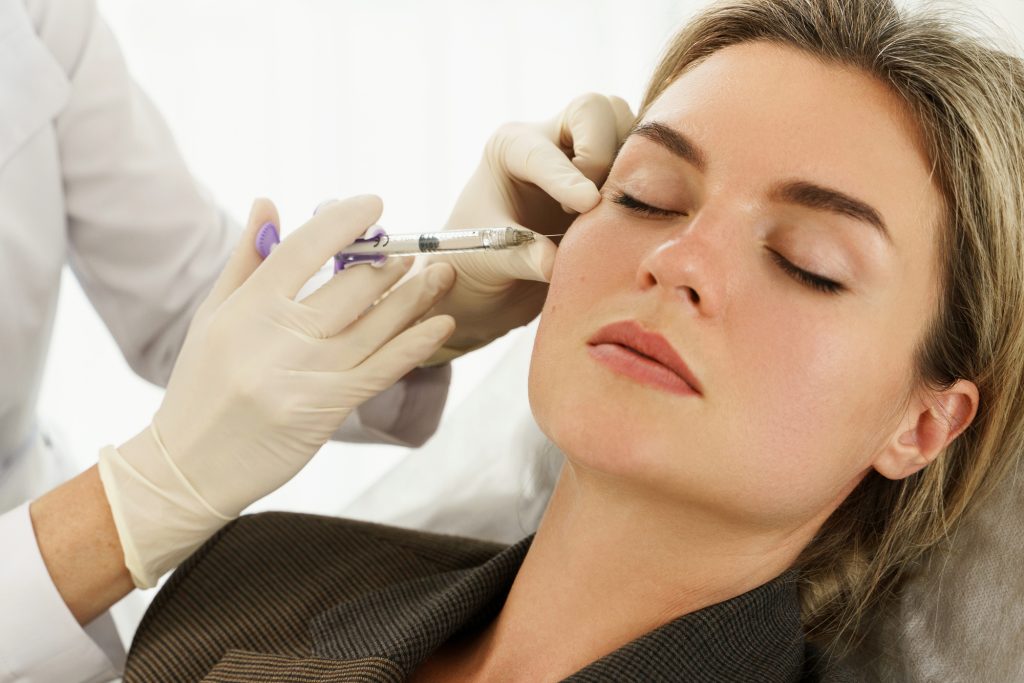
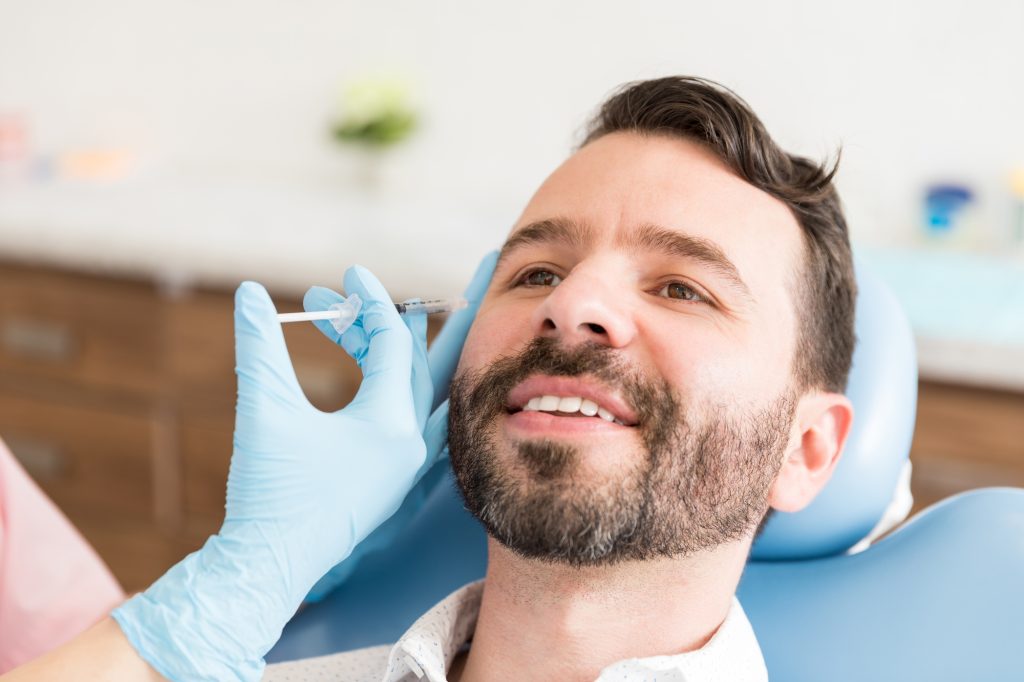
The filler procedure entails injecting a gel-like material beneath the surface of the skin.

The filler procedure entails injecting a gel-like material beneath the surface of the skin.

Dermal fillers have emerged as a non-surgical procedure to enhance and rejuvenate facial features effectively. By adding volume and smoothing out wrinkles and fine lines, dermal fillers help achieve a more youthful and aesthetically pleasing appearance. The procedure involves injecting a gel-like substance beneath the skin’s surface. The primary objective is to restore lost volume, contour the face, and enhance specific features. This article delves into the various aspects of dermal fillers, including their applications, the consultation and treatment process, and post-treatment care.

Applications of Dermal Fillers

Dermal fillers are versatile and can address a wide range of cosmetic concerns. Here are some of the primary areas where dermal fillers prove to be highly effective:

  • Lips: Dermal fillers offer the ability to enhance and give fullness to thin lips. They also allow for the definition of the lip contour and the reduction of the visibility of vertical lines on the lips, often referred to as “smoker’s lines.” This results in a plumper, more defined lip appearance, contributing to an overall youthful look.
  • Nasolabial Folds: Nasolabial folds are deep lines that extend from the sides of the nose to the corners of the mouth. Dermal fillers can smooth and fill these lines, resulting in a rejuvenated and youthful look. By addressing these prominent lines, fillers help restore a balanced facial appearance.
  • Cheeks: Loss of volume in the cheeks is a common sign of aging. Dermal fillers can add volume to the cheeks, enhancing their contour and restoring a youthful appearance. This not only improves the overall facial structure but also provides a lifted look, combating sagging skin.
  • Marionette Lines: Marionette lines are lines that run from the corners of the mouth down to the chin. By providing volume and aiding in the gentle repositioning of the corners of the mouth, dermal fillers assist in uplifting the lower lip and crafting an upwardly curved mouth corner. This creates a more pleasant and approachable facial expression.
  • Under-Eye Circles: Dark circles and hollows under the eyes can make one look tired and aged. Dermal fillers can reduce the appearance of under-eye circles by filling in the hollows and providing a smoother transition between the lower eyelid and the cheek, resulting in a fresher and more alert appearance.
  • Sagging Skin and Scars: Dermal fillers also have the potential to minimize the appearance of scars and improve the look of sagging skin. By adding volume and smoothing out irregularities, fillers can enhance skin texture and overall facial harmony.
  • Hands: Apart from facial applications, dermal fillers can also be used to improve the appearance of hands. By restoring volume, fillers can reduce the visibility of veins and tendons, making the hands appear more youthful.

The Process of Dermal Filler Treatment

The journey to achieving desired results with dermal fillers is structured into three distinct phases: the consultation phase, the treatment stage, and the support and recovery phase.

  • Consultation Phase: Before the procedure, a comprehensive consultation is conducted to understand the patient’s unique needs and facial structure. During this phase, patients are advised to avoid blood-thinning substances such as aspirin, Advil, and alcohol for at least 10 days to minimize the risk of bruising and bleeding. The consultation covers specific goals, expected outcomes, medical history, and any questions the patient may have about the process. This thorough assessment forms the basis of a personalized treatment plan, identifying target areas for treatment and selecting the most appropriate type of dermal filler to achieve the desired outcomes.
  • Treatment Stage: The treatment stage is designed to be efficient, typically taking about 90 minutes to complete. This includes time for numbing the treatment area to minimize potential discomfort during the procedure. The actual injection process is relatively quick, and any discomfort experienced is usually mild. The procedure involves the careful and precise injection of the filler into the target areas, following the personalized treatment plan discussed during the consultation. Patients are ensured a supportive and comfortable environment throughout the treatment.
  • Support and Recovery Phase: Post-treatment care is crucial to ensure the best results and minimize any potential side effects. After the procedure, it is important to allow the face some time to recover, ideally for at least a day. During this recovery period, patients are advised to avoid using skincare products, engaging in massaging, or applying makeup to the treated area. Proper aftercare instructions and support are provided to ensure a smooth recovery process. Patients are encouraged to follow these guidelines closely to achieve optimal results and a satisfactory experience.

Conclusion

Dermal fillers offer a non-surgical solution for individuals seeking to enhance and rejuvenate their facial features. By adding volume, smoothing out wrinkles, and contouring specific areas, fillers can address a variety of cosmetic concerns, from lips and cheeks to under-eye circles and sagging skin. The structured approach to the filler experience, encompassing the consultation phase, treatment stage, and support and recovery phase, ensures a cohesive and streamlined journey towards achieving desired results. Through personalized treatment plans and comprehensive care, dermal fillers provide a safe and effective way to enhance one’s natural beauty and restore a youthful appearance.

Botox Treatments: A Revolutionary Approach to Pain and Cancer Management Without Side Effects

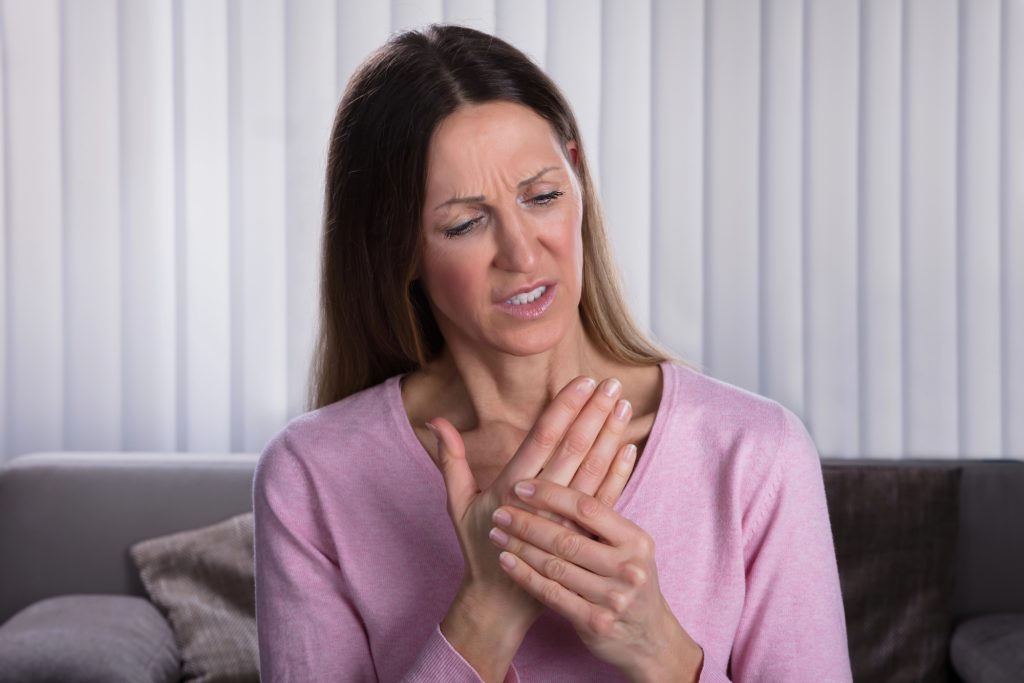
Botox, widely used to reduce wrinkles, is now being investigated for its ability to relieve pain linked to cancer, arthritis, and migraines.

Botox, widely used to reduce wrinkles, is now being investigated for its ability to relieve pain linked to cancer, arthritis, and migraines.

Botox, a popular treatment for smoothing out wrinkles, is now being explored for its potential to alleviate the pain associated with cancer, arthritis, and migraines. This exciting development promises to offer significant pain relief without the side effects commonly seen with traditional pain medications.

Mechanism of Action

The primary component of Botox is botulinum toxin, which functions by inhibiting the transmission of nerve signals that cause muscle contractions. This inhibition prevents the formation of wrinkles. However, the same mechanism can be harnessed to block pain signals for extended periods.

Botulinum toxin works in tandem with tetanospasmin, a compound derived from the tetanus bacterium. When combined, these substances can deliver a potent analgesic effect by targeting the spinal cord and halting the transmission of pain signals to the brain. This innovative approach offers a new paradigm in pain management, potentially providing relief for months after a single injection.

Applications and Potential Beneficiaries

  • Chronic Pain Conditions: Patients suffering from chronic migraines are among the prime candidates for this treatment. Chronic back pain sufferers and women experiencing post-cesarean section pain could also benefit significantly. Traditional painkillers often require multiple daily doses and provide only temporary relief, whereas a single injection of this new botulinum-based therapy could offer sustained pain relief for several months.
  • Cancer Pain Management: Cancer patients endure severe pain, often managed with powerful opioids like morphine, which come with debilitating side effects. Botox injections could offer a safer alternative, reducing the reliance on opioids and improving the quality of life for cancer patients.
  • Arthritis Relief: Arthritis patients experience constant joint pain, which significantly impacts their daily lives. Botox injections could potentially provide long-lasting pain relief, allowing patients to reduce or eliminate the need for daily pain medications and enjoy an improved quality of life.

Addressing Safety Concerns

One of the major hurdles in the widespread adoption of Botox for pain relief is the fear of paralysis in the treated area. To mitigate this concern, researchers have modified the botulinum molecule, attaching it to a non-toxic component of tetanospasmin. This modification ensures that the analgesic effects are delivered without causing paralysis, making the treatment both safe and effective.

The Future of Pain Management

The potential of Botox to revolutionize pain management is immense. Patients who are accustomed to multiple daily doses of painkillers could instead receive a single injection that provides months of relief. This not only simplifies the management of chronic pain but also reduces the risk of dependency on pain medications.

  • Public Acceptance: The widespread use of Botox for cosmetic purposes suggests that the public is generally comfortable receiving injections for therapeutic reasons. This acceptance bodes well for the adoption of Botox-based pain treatments. Given that Botox is already approved for use in treating debilitating headaches, its application in broader pain management is a logical next step.
  • Potential to Revolutionize Pain Treatment: The development of botulinum-based pain treatments represents a significant advancement in the field of pain management. By offering long-lasting relief without the side effects associated with traditional pain medications, Botox could become a cornerstone of chronic pain treatment.

Research and Development

Healthcare providers will require education on the updated uses of Botox and training in how to administer these treatments.

Healthcare providers will require education on the updated uses of Botox and training in how to administer these treatments.

The ongoing research into the use of Botox for pain management is promising. Clinical trials are needed to further establish the safety and efficacy of this approach. If successful, these treatments could be integrated into standard pain management protocols, providing a new option for patients who suffer from chronic pain.

  • Implications for Healthcare Providers: Healthcare providers will need to be educated on the new applications of Botox and trained in administering these treatments. As the adoption of botulinum-based pain management grows, it will be essential for medical professionals to stay informed about the latest research and techniques.
  • Broader Impact on Pain Management Practices: The introduction of Botox for pain management could also lead to a broader re-evaluation of current pain management practices. As more effective and safer alternatives become available, the reliance on traditional pain medications, particularly opioids, may decrease, potentially reducing the incidence of opioid addiction and its associated societal impacts.

Conclusion

The potential of Botox to alleviate pain associated with chronic conditions like migraines, arthritis, and cancer without the side effects of traditional painkillers represents a major breakthrough in medical science. By modifying the botulinum molecule to avoid paralysis, researchers have paved the way for a new era of pain management. This innovation promises to improve the quality of life for millions of patients worldwide and could fundamentally change the way chronic pain is treated.

As research progresses and clinical trials validate the efficacy of these treatments, Botox could soon become a mainstay in pain management protocols. This advancement underscores the importance of continuing to explore and develop new therapeutic uses for existing medical treatments, expanding their benefits beyond their original applications.

Unlocking Youthfulness: Botox’s Battle Against the 11s

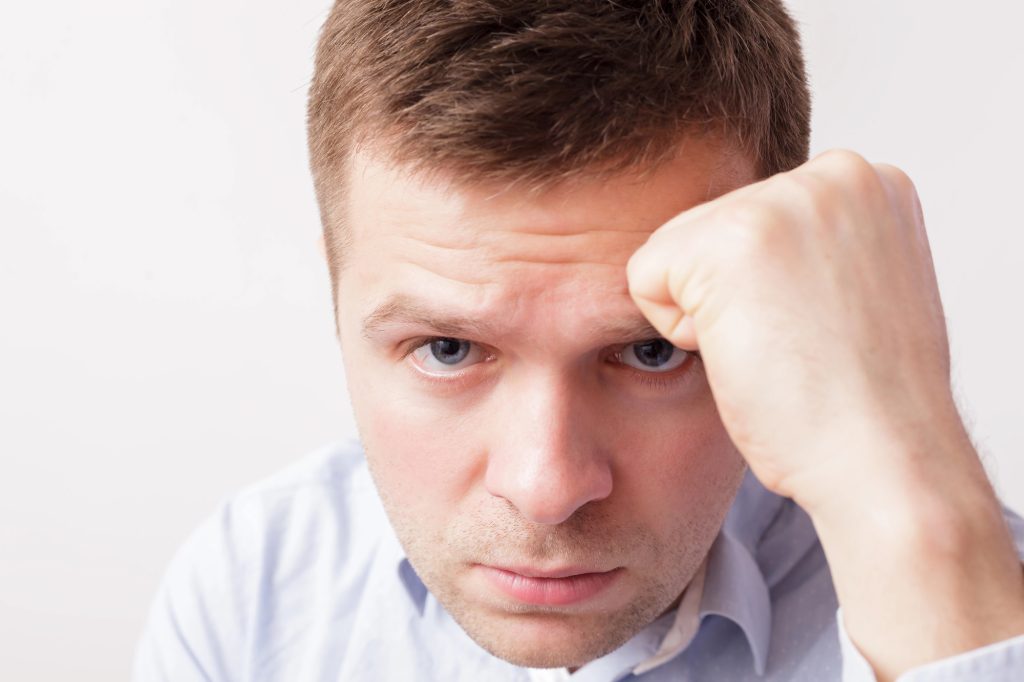
Botox® is a promising treatment for frown wrinkles.

Botox® is a promising treatment for frown wrinkles.

Frown lines, medically termed “glabellar lines” or commonly referred to as the “elevens” or “angry 11s,” manifest as vertical creases nestled between the eyebrows. These furrows are emblematic of perpetual scowling or displeasure, irrespective of the individual’s emotional state. Their etiology encompasses multifactorial influences, including genetic predispositions, advancing age, and the repetitive contractions of facial musculature associated with expressions like frowning, squinting, or deep concentration.

Amid the plethora of remedies available for addressing frown lines, Botox® stands out as a preeminent choice. A neuromodulator, Botox®, exerts its therapeutic effect by inducing temporary paralysis of the musculature responsible for the formation of frown lines. Botox® effectively mitigates the development and exacerbation of wrinkles in the treated area by impeding muscular contractions. Its widespread acclaim stems from its safety profile, expeditious administration, and minimally invasive nature, rendering it an appealing option for individuals desiring to ameliorate their frown lines.

Botox® for frown lines is injected directly into the targeted muscles between the eyebrows using a fine-gauge needle. The procedure, characterized by its brevity, typically spans a few fleeting minutes, culminating in minimal post-treatment downtime. While individual responses may vary, discernible amelioration of frown lines commonly manifests within a week post-injection, with optimal outcomes manifesting around two weeks after treatment.

For individuals plagued by the vexation of frown lines, Botox® presents itself as a compelling therapeutic modality. Beyond its capacity to attenuate existing furrows, Botox® serves a preventive function by impeding the progressive accentuation of frown lines over time. Complementary to Botox®, an array of adjunctive interventions such as dermal fillers and chemical peels exist, each wielding the potential to revitalize facial aesthetics and diminish the prominence of wrinkles.

The injector dictates a judicious approach, mandating consultation with a proficient medical practitioner before embarking upon any aesthetic intervention, including Botox®. A comprehensive evaluation by a qualified medical professional enables the formulation of a tailored treatment regimen attuned to individualized needs, encompassing considerations such as skin type, medical history, and aesthetic objectives.

In summation, frown lines represent an unwelcome hallmark of aging, capable of precipitating deleterious repercussions on an individual’s self-assurance. Nevertheless, the advent of Botox® heralds a watershed moment in the realm of cosmetic therapeutics, furnishing a safe and efficacious avenue for attenuating the appearance of frown lines and reinstating a semblance of youthfulness. People thinking about getting Botox® to smooth out their wrinkles should read up on the procedure and find a qualified medical professional who can explain everything to them so they can have the best possible experience.

How to Identify Counterfeit Botox and the Importance of Vial Verification

Botox reduces facial wrinkles in aesthetic medicine and treats various neuromuscular conditions in therapeutic settings.

Botox reduces facial wrinkles in aesthetic medicine and treats various neuromuscular conditions in therapeutic settings.

Botox, a widely recognized brand of botulinum toxin type A, is a neurotoxin derived from Clostridium botulinum. It is commonly used in aesthetic medicine to temporarily reduce facial wrinkles and in therapeutic settings for various neuromuscular conditions. Due to their popularity and high demand, counterfeit Botox products have infiltrated the market, posing significant health risks to patients. This article provides a comprehensive guide to identifying counterfeit Botox. It emphasizes the importance of verifying the authenticity of the vial, drawing on expert advice and investigative insights from a TV show.

The Importance of Authentic Botox

Genuine Botox is manufactured under strict regulatory conditions to ensure safety, efficacy, and consistency. Patients must receive authentic Botox because counterfeit products may contain harmful substances, incorrect dosages, or ineffective formulations. The consequences of using fake Botox can range from ineffectiveness to severe adverse reactions, including allergic responses, infections, and even life-threatening conditions.

Recognizing Genuine Botox Packaging

One of the primary steps in identifying authentic Botox is to scrutinize its packaging. Authentic Botox vials have distinct features designed to prevent counterfeiting:

  1. Labeling and Logos: Authentic Botox packaging features the Allergan logo, clear and consistent labeling, and specific font and color schemes. Counterfeit products often have discrepancies in logo design, font size, and color accuracy.
  2. Holographic Seals: Genuine Botox vials are sealed with a holographic strip that changes appearance when viewed from different angles. This feature is difficult to replicate and is a reliable indicator of authenticity.
  3. Batch Numbers and Expiry Dates: Each vial of authentic Botox has a unique batch number and expiration date printed on both the vial and the packaging. These numbers should match, and the printing should be crisp and legible. Counterfeit products may have mismatched or poorly printed batch information.
  4. Packaging Integrity: Authentic Botox is packaged in a sturdy box with a professional finish. Counterfeit packaging may appear flimsy, with irregular cuts, blurred printing, or uneven surfaces.

Examining the Vial Contents

In addition to scrutinizing the external packaging, the vial contents should be examined closely:

  1. Powder Appearance: Genuine Botox appears as a white to off-white lyophilized powder. Counterfeit Botox may appear discolored or have a different texture.
  2. Solvent Volume: When reconstituted, genuine Botox should dissolve entirely in the provided solvent without leaving residues or particles. If there are undissolved particles or cloudiness, the product may be counterfeit.
  3. Label Clarity: The vial label on authentic Botox is clear and professionally printed. Any signs of smudging, unclear printing, or misalignment can indicate a counterfeit product.

Purchasing from Reputable Sources

To minimize the risk of obtaining counterfeit Botox, it is essential to purchase from reputable and authorized sources:

  1. Licensed Medical Professionals: Always receive Botox injections from licensed medical professionals who obtain their products directly from Allergan or authorized distributors. Avoid treatments offered by unlicensed individuals or establishments.
  2. Verify Credentials: Check the practitioner’s credentials and certification. Legitimate providers will have appropriate training and certification to administer Botox safely.
  3. Direct Verification: Patients can directly verify the source of their Botox by contacting Allergan or using the Allergan verification tool available on their website.
Authentic Botox is produced under stringent regulations to guarantee its safety, effectiveness, and consistency.

Authentic Botox is produced under stringent regulations to guarantee its safety, effectiveness, and consistency.

Adverse Effects and Legal Implications

Using counterfeit Botox can lead to various adverse effects and legal complications:

  1. Health Risks: Fake Botox can cause severe allergic reactions, infections, and other complications. Symptoms may include swelling, redness, pain at the injection site, fever, and, in severe cases, anaphylaxis or botulism-like symptoms.
  2. Lack of Efficacy: Counterfeit Botox may not provide the desired aesthetic or therapeutic outcomes, leading to patient dissatisfaction and the need for corrective procedures.
  3. Legal Consequences: The use and distribution of counterfeit Botox are illegal. Practitioners caught using fake products can face legal action, fines, and revocation of their medical licenses. Patients harmed by counterfeit Botox can seek legal recourse for medical malpractice.

Reporting Counterfeit Botox

Patients and practitioners who encounter suspected counterfeit Botox should report it to the relevant authorities:

  1. Regulatory Agencies: Report suspected counterfeit products to national regulatory agencies such as the U.S. Food and Drug Administration (FDA).
  2. Manufacturer: Notify Allergan directly about suspected counterfeit Botox. The manufacturer can take steps to investigate and prevent further distribution of fake products.
  3. Professional Associations: Inform medical professional associations. The organizations can provide support and guidance.

Case Study Insights

An investigative report highlighted several real-life cases of counterfeit Botox usage, emphasizing the importance of vigilance:

  1. Case 1: Unauthorized Clinics: The investigation uncovered unauthorized clinics offering Botox treatments at meager prices. Patients who received treatments from these clinics experienced adverse reactions, including severe swelling and infections. Upon examination, the products were found to be counterfeit, lacking proper labeling and packaging integrity.
  2. Case 2: Online Purchases: Patients who purchased Botox online from non-authorized sellers received counterfeit products that were ineffective and caused skin irritation. The investigation traced these products back to illegal manufacturing operations overseas.
  3. Case 3: Practitioner Misconduct: A licensed practitioner was found to be using counterfeit Botox sourced from an unauthorized distributor to cut costs. Several patients reported adverse reactions, leading to an investigation that resulted in the practitioner’s license being revoked and legal action taken against the distributor.

Preventive Measures

To prevent the use of counterfeit Botox, several measures can be implemented:

  1. Education and Training: Enhance education and training programs for healthcare professionals on the identification and risks of counterfeit Botox. Regular updates on counterfeit trends and preventive strategies should be provided.
  2. Stricter Regulations: Implement more stringent regulations and enforce them against the distribution and use of counterfeit medical products. Increased penalties and more frequent inspections can deter illegal activities.
  3. Public Awareness Campaigns: Launch public awareness campaigns to educate patients on the importance of receiving Botox treatments from licensed and reputable sources. Informative resources on how to identify counterfeit products should be widely disseminated.
  4. Technological Solutions: Utilize technological solutions such as blockchain and advanced tracking systems to monitor the distribution chain of Botox products. This can ensure transparency and traceability from the manufacturer to the end-user.

Conclusion

Counterfeit Botox’s prevalence underscores patients’ and practitioners’ critical need for vigilance and due diligence. Understanding the distinguishing features of authentic Botox, purchasing from reputable sources, and reporting suspected counterfeit products can significantly mitigate the risks associated with fake Botox. The investigative insights provided by the TV show serve as a valuable reminder of the potential dangers and legal implications of counterfeit Botox, reinforcing the importance of continuously checking the vial before use. Ensuring Botox’s authenticity protects patient safety and upholds the integrity of the medical and aesthetic professions.

How To Eliminate Forehead Wrinkles Over 50 Using Botox

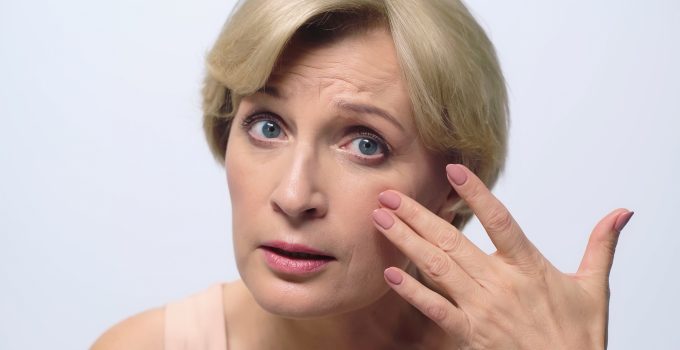
Muscles that contract and relax repeatedly when we frown, smile, or raise our eyebrows are the main cause of wrinkles on the forehead.

Muscles that contract and relax repeatedly when we frown, smile, or raise our eyebrows are the main cause of wrinkles on the forehead.

Comprehending Forehead Wrinkles and Aging

Aging, an inevitable biological progression, manifests in various ways, most prominently through the emergence of wrinkles, notably on the forehead. Forehead wrinkles stem primarily from repetitive muscular movements, such as frowning, smiling, or raising eyebrows. Over time, diminished skin elasticity and regenerative capacity lead to the formation of permanent lines and furrows. Individuals over 50 witness accentuated forehead wrinkles due to a blend of intrinsic aging (inherent genetic and natural aging processes) and extrinsic factors (like sun exposure, lifestyle habits, etc.).

Botox’s Role in Forehead Wrinkle Treatment

Botox, or Botulinum toxin type A, is a favored non-surgical remedy for diminishing wrinkles. It functions by transiently incapacitating muscles accountable for dynamic wrinkles. Upon injection into the forehead, Botox obstructs nerve signals to these muscles, impeding their contraction and subsequently smoothing the skin. This intervention is particularly efficacious for individuals over 50, as it tackles the dynamic and static elements of forehead wrinkles.

The Scientific Mechanism of Botox

Derived from the bacterium Clostridium botulinum, Botox safely addresses various medical and cosmetic conditions in controlled doses. The procedure entails injecting minute quantities of Botox into specific muscles. Botox binds to nerve endings post-injection, curtailing the release of acetylcholine, a neurotransmitter pivotal for muscle contraction. Consequently, muscle relaxation ensues, lasting from three to six months.

Preparing for Botox Therapy

Consulting with a proficient and seasoned practitioner is imperative prior to Botox treatment. The consultation phase typically involves discussing medical history, ongoing medication intake, and aesthetic aspirations. It also serves as an opportunity to pose questions and alleviate any apprehensions about the procedure.

The Botox Procedure in Detail

The Botox procedure unfolds expediently and straightforwardly, comprising the following steps:

  1. Sanitizing the Area: Rigorous cleansing of the treatment site is undertaken to thwart infection.
  2. Marking Injection Sites: The practitioner meticulously marks spots for Botox administration, contingent upon muscle dynamics and wrinkle patterns.
  3. Injection Technique: Employing a fine-gauge needle, the practitioner introduces minute doses of Botox into designated sites. The injections are generally tolerable, with sensations akin to pinpricks.
  4. Post-Treatment Care: Following injections, refraining from rubbing or massaging the treated area for approximately 24 hours is advised. This precaution prevents unintended Botox diffusion.

Post-Treatment Outcomes and Prognosis

Botox’s effects do not manifest instantaneously. Typically, several days elapse before discernible changes occur, with full impact materializing around two weeks post-treatment. Muscles targeted by Botox gradually relax, culminating in smoother skin texture and diminished forehead wrinkles. Particularly for individuals aged over 50, Botox engenders notable improvements, effectively ameliorating deeply etched lines that have accrued over time. Nevertheless, harboring pragmatic anticipations is essential, as Botox yields temporary enhancements necessitating periodic maintenance injections every three to six months.

Advantages of Botox for the Over-50 Demographic

  1. Non-Invasive Alternative: Botox presents a non-surgical recourse, circumventing risks and convalescence associated with surgical interventions like facelifts.
  2. Rapid and Expedient: The procedure’s brevity, typically spanning 10–20 minutes, renders it seamlessly integrable into demanding schedules.
  3. Minimal Convalescence Period: Post-treatment, regular activities can be resumed immediately, with transient side effects like mild erythema or bruising abating swiftly.
  4. Aesthetic Subtlety: When adeptly administered, Botox yields nuanced, natural-looking outcomes, embellishing one’s appearance without an overtly artificial veneer.
  5. Augmented Confidence: The diminution of forehead wrinkles precipitates augmented self-assurance and poise, fostering a perception of youthfulness and vitality.

Potential Risks and Adverse Effects

Though generally safe, Botox is not devoid of potential hazards and adverse reactions. Commonly encountered side effects encompass:

  • Ecchymosis and Edema: Minor bruising and swelling at injection locales are commonplace and usually transient.
  • Cephalalgia: Some individuals may endure headaches post-procedure.
  • Ptosis of Eyelids or Brows: Misdirected Botox diffusion may transiently induce eyelid or eyebrow droopiness, underlining the indispensability of adept injection technique.

Rare yet severe repercussions encompass allergic reactions, dysphagia, and muscular weakness, mandating immediate medical intervention upon their manifestation.

Optimal Practitioner Selection

Prudent selection of a proficient and seasoned practitioner is pivotal for optimal Botox outcomes. Consider the following criteria when making your choice:

  • Credentials and Expertise: Ensure the practitioner boasts board certification and substantial experience in administering Botox injections.
  • Repute: Scrutinize patient testimonials and reviews to ascertain the practitioner’s standing and the caliber of their work.
  • Consultative Engagement: A comprehensive consultation, wherein the practitioner attentively listens to concerns, elucidates procedural nuances, and delineates realistic expectations, is indispensable.
  • Visual Documentation: Peruse before-and-after photographic depictions of previous patients to glean insights into achievable outcomes.

Sustaining Botox-Induced Outcomes

To perpetuate the fruits of Botox treatment, adherence to the following guidelines is advised:

  1. Regular Maintenance Sessions: Periodically schedule maintenance injections every three to six months to sustain wrinkle abatement.
  2. Solar Safeguarding: Protect skin from UV damage by using sunscreen regularly and limiting time in the sun when you must.
  3. Healthful Lifestyle Practices: Cultivate dietary conscientiousness, physical activity adherence, and hydration optimization to buttress skin vitality.
  4. Skincare Regimen: Promote skincare products tailored to specific skin needs; these products may help maintain a young appearance by utilizing retinoids, antioxidants, and emollients.

In Summation

Botox emerges as a highly effective intervention for diminishing forehead wrinkles, especially among individuals aged over 50. Botox yields natural-looking results by providing a non-invasive solution with minimal downtime, enhancing both aesthetic appeal and self-confidence. Understanding the intricacies of the procedure, choosing a skilled practitioner, and aligning lifestyle choices synergistically fortify Botox’s efficacy in advancing skin rejuvenation and overall well-being.

At what dosage is Botox safe to use?

The safe Botox dosage depends on numerous factors, including the treatment location, patient anatomy, and desired outcome.

The safe Botox dosage depends on numerous factors, including the treatment location, patient anatomy, and desired outcome.

Botox, short for Botulinum Toxin, is a neurotoxic protein derived from the bacterium Clostridium botulinum. It’s widely known for its cosmetic use in reducing the appearance of facial wrinkles. Still, Botox also has medical applications, such as treating chronic migraines, excessive sweating (hyperhidrosis), and specific muscle disorders. Botox temporarily paralyzes muscles, preventing them from contracting and causing wrinkles or spasms. This effect is achieved by blocking the release of acetylcholine, a neurotransmitter responsible for muscle contractions.

The popularity of Botox has surged over the years, with millions of procedures performed annually worldwide. Despite its widespread use, many people still have questions about its safety and appropriate dosage. Understanding the recommended units and ensuring qualified professionals administer treatments are crucial for achieving safe and satisfactory results.

How many Botox units are safe?

Determining the safe number of Botox units involves several factors, including the treated area, the individual’s anatomy, and the desired outcome. Botox is measured in units, which quantify its biological activity. For cosmetic purposes, the U.S. Food and Drug Administration (FDA) has approved specific guidelines regarding the number of units for various treatment areas:

  1. Forehead Lines: Typically, 10-30 units are recommended to smooth horizontal forehead lines. However, this can vary based on the depth of the wrinkles and muscle strength.
  2. Frown Lines (Glabellar Lines): 20-25 units are often used for the vertical lines between the eyebrows. This area is highly expressive, so precise dosing is crucial to avoid a “frozen” look.
  3. Crow’s Feet: Around 5-15 units per side are generally used to address the fine lines around the eyes, helping to maintain a natural, youthful appearance.
  4. Bunny Lines: Treating the lines on the nose may require 5-10 units.
  5. Lip Lines and Gummy Smile: To soften vertical lip lines or reduce a gummy smile, 4-10 units may be administered.
  6. Neck Bands (Platysmal Bands): Depending on the severity of the bands, this area can require 25-50 units.
  7. Masseter Muscle (Jawline Slimming): 20-30 units per side may be necessary for jawline contouring or treating teeth grinding.

These numbers provide a general guideline, but individual needs can vary significantly. Factors such as muscle mass, gender (men often need more units than women due to stronger muscles), and previous Botox treatments play a role in determining the appropriate dosage.

Why Botox Units Matter

Understanding Botox units is essential for both safety and effectiveness. Administering too few units may result in insufficient muscle relaxation, leading to suboptimal outcomes and potentially a shorter duration of effect. Conversely, too many units can cause over-relaxation of the muscles, leading to an unnatural appearance, difficulty with facial expressions, or even adverse effects like drooping eyelids (ptosis).

Each Botox unit is calibrated to deliver a precise amount of the toxin. Because of this precision, Botox treatments must be tailored to the individual. The treatment area, muscle strength, and patient’s aesthetic goals must be carefully considered to determine the required units. Additionally, different brands of Botulinum Toxin have varying potencies, so the units are not interchangeable and should be administered accordingly.

Importance of Professional Consultation

The cornerstone of safe and effective Botox treatment is a professional consultation with a qualified and experienced practitioner. Here are several reasons why a professional consultation is indispensable:

  1. Personalized Assessment: A qualified practitioner will assess your facial anatomy, muscle strength, and skin condition to determine the appropriate number of Botox units for your specific needs.
  2. Medical History Review: Certain medical conditions and medications can affect the safety and effectiveness of Botox. A professional will review your medical history to identify any potential contraindications.
  3. Technique and Precision: Proper injection technique is critical. Experienced practitioners understand the intricate anatomy of facial muscles and can place injections precisely to achieve natural-looking results.
  4. Managing Expectations: During a consultation, you can discuss your aesthetic goals and any concerns you may have. The practitioner can set realistic expectations and explain what Botox can and cannot achieve.
  5. Safety Protocols: Professionals adhere to stringent safety protocols to minimize the risk of complications. This includes using sterile equipment, appropriate dosages, and proper injection techniques.
  6. Post-Treatment Care: Aftercare is essential for optimizing results and minimizing side effects. A professional will provide detailed post-treatment instructions and be available for follow-up care if needed.

The Takeaway

Botox can be a highly effective treatment for reducing the appearance of wrinkles and addressing certain medical conditions when administered correctly. The key to a safe and successful Botox experience lies in understanding the appropriate number of units required for each treatment area and the importance of professional consultation. Here are the main points to remember:

  1. Understand the Dosage: Different areas of the face require different numbers of Botox units. Knowing these guidelines helps set realistic expectations.
  2. Individual Variations: Dosage can vary based on individual factors such as muscle strength, previous treatments, and personal goals.
  3. Professional Consultation is Crucial: Always seek treatment from a qualified and experienced practitioner to ensure safe and effective results.
  4. Safety and Efficacy: Proper dosage and injection technique are essential to avoid complications and achieve natural-looking results.
  5. Aftercare: Follow the aftercare instructions provided by your practitioner to maintain the best results and minimize any side effects.

Get started with Botox

If you’re considering Botox, the first step is to schedule a consultation with a qualified professional. They can provide personalized advice based on your unique needs and help you understand the process, from the number of units required to the expected outcomes. Whether you’re looking to reduce the appearance of wrinkles or address a medical condition, Botox can offer significant benefits when administered correctly.

To find a reputable provider, look for board-certified dermatologists, plastic surgeons, or trained professionals in aesthetic medicine. Check reviews, ask for before-and-after photos of previous patients, and ensure that the practitioner follows all safety protocols.

In summary, Botox can be a safe and effective treatment when approached with the proper knowledge and professional guidance. By understanding the appropriate number of units, seeking professional consultation, and adhering to recommended safety measures, you can achieve the best possible results from your Botox treatment. Whether you’re new to Botox or looking to refine your existing routine, informed decisions and professional care are your best allies in the journey to smoother, more youthful-looking skin.

Safety Questions and Research to Do Before Getting Botox or Fillers

In 2022, more than 23 million people in the United States opted for minimally invasive cosmetic procedures like Botox and fillers. While licensed providers generally perform these treatments safely and effectively, there are serious risks associated with using fake products and unqualified practitioners. This article highlights essential steps to ensure safety and efficacy before undergoing any cosmetic procedure.

The Price of Beauty: Beyond Money

Cosmetic procedures, while popular, come with risks that extend beyond the financial cost. The Centers for Disease Control and Prevention (CDC) reported that as of May, 15 individuals across nine states experienced severe reactions, including slurred speech, difficulty swallowing, and double vision, after receiving counterfeit Botox injections. 

Such incidents underscore the importance of thoroughly vetting both the product and the provider before any cosmetic procedure. Despite the risks, the demand for minimally invasive treatments continues to rise, emphasizing the need for potential patients to be well-informed and cautious.

Do Your Homework

Before deciding on a cosmetic procedure, conducting extensive research and asking the right questions are crucial. Here are the critical steps to ensure your provider is licensed and reputable:

  1. Verify Provider’s Credentials:
    • For Nurses and Nurse Practitioners: Locate your state’s Board of nursing website.
    • For Doctors: Use your state’s board of physicians license lookup tool.
  2. Steps to Verify:
    • Enter the provider’s name.
    • Confirm that their license is active.
    • Check for any complaints or disciplinary actions.
  3. Assessing the Provider:
    1. Experience and Training: Ask how long the provider has been performing the procedure, where they were trained, and if they regularly attend continuing education courses.
    2. Specialisation: Ensure the provider specializes in cosmetic injections. A provider who focuses on these treatments is more likely to be up-to-date with the latest techniques and safety protocols.

Red Flags to Watch Out For

When evaluating a provider or product, certain red flags should prompt you to reconsider:

  1. Non-Healthcare Settings: Procedures should only be performed in licensed healthcare facilities, not in homes or unlicensed settings.
  2. Product Labeling: Check the packaging for crucial information such as lot numbers and active ingredients. Labels should be in English and clearly indicate FDA approval.
  3. Suspicious Pricing: Extremely low prices often indicate counterfeit or diluted products. Authentic Botox and fillers have a significant cost due to their production and storage requirements.

Important Questions to Ask

When consulting with a potential provider, ensure you ask the following questions:

  1. Is the Product FDA-Approved?: Verify that the product is FDA-approved and comes from a reputable distributor.
  2. What are the Potential Side Effects?: Understanding the possible risks and side effects helps set realistic expectations and prepares you for any post-procedure issues.
  3. How Long Have You Been Practicing?: Inquire about the provider’s experience, specifically with the procedure you are considering.
  4. Can I See Before-and-After Photos?: While these can be helpful, remember that photos can be manipulated. Look for consistency in the provider’s work and ask for real patient testimonials.
  5. What is Your Protocol for Complications?: Ensure the provider has a clear plan for managing any complications that may arise during or after the procedure.

Understanding the Risks

Botox and fillers are generally safe, but they can cause side effects. Common side effects include:

  1. Temporary Bruising and Swelling: These are the most common and usually subside within a few days.
  2. Headaches: Some patients may experience mild headaches following the injections.
  3. Drooping Eyelids: This occurs if the toxin spreads beyond the target area but is typically temporary.

More serious complications, though rare, can include muscle weakness, difficulty swallowing, and breathing problems. These risks underscore the importance of choosing a qualified, experienced provider.

The Role of Social Media

Social media plays a significant role in the cosmetic procedure trend but can also be misleading. Many providers showcase their work through before-and-after photos and patient reviews. However, these can be fabricated. Be wary of providers with suspiciously perfect results or overwhelmingly positive reviews without any negative feedback.

Conclusion

Ensuring the safety and success of Botox and filler procedures requires diligent research and careful consideration. By verifying provider credentials, asking the right questions, and being aware of red flags, you can significantly reduce the risks associated with these treatments.

When considering a cosmetic procedure, prioritize your health and safety over cost. An authentic, well-administered treatment by a qualified provider is worth the investment. With the right approach, you can achieve the desired aesthetic results while minimizing the risks.


Ensuring Authenticity: A Comprehensive Guide to Acquiring Genuine Botox Cosmetic

Along with validating Botox Cosmetic's validity, choosing a reputed and qualified provider is crucial for maximum results.

Along with validating Botox Cosmetic’s validity, choosing a reputed and qualified provider is crucial for maximum results.

In the pursuit of youthful and rejuvenated skin, Botox Cosmetic has emerged as a prominent solution, promising to smooth away wrinkles and restore a radiant complexion. However, amidst the burgeoning popularity of cosmetic enhancements, concerns regarding counterfeit products and dubious practitioners have become increasingly prevalent. Ensuring that one receives authentic Botox Cosmetic is paramount not only for optimal results but also for safeguarding health and well-being. In this comprehensive guide, we unravel the intricacies of authenticating Botox Cosmetic and navigating the landscape of cosmetic procedures with confidence.

Understanding Botox Cosmetic: A Brief Overview

Botox Cosmetic, derived from the neurotoxic protein botulinum toxin type A, temporarily paralyzes muscles, diminishing the appearance of wrinkles and fine lines. Administered via injections, Botox Cosmetic has garnered widespread acclaim for its ability to deliver subtle yet transformative results. Nevertheless, the efficacy and safety of Botox Cosmetic hinge significantly on the authenticity of the product and the proficiency of the administering practitioner.

The Perils of Counterfeit Botox Cosmetic

In recent years, the proliferation of counterfeit Botox Cosmetic has emerged as a pressing concern within the aesthetic industry. Counterfeit products may contain impurities, improper concentrations of active ingredients, or even harmful substances, posing significant health risks to consumers. Additionally, counterfeit Botox cosmetics may yield subpar aesthetic outcomes, failing to achieve the desired rejuvenating effects while potentially inducing adverse reactions.

Red Flags: Identifying Counterfeit Botox Cosmetic

Recognizing the telltale signs of counterfeit Botox Cosmetic is essential for safeguarding one’s health and investment. Common indicators of counterfeit products include suspiciously low prices, unauthorized online vendors, and packaging inconsistencies. Authentic Botox Cosmetic is exclusively distributed through licensed healthcare professionals and reputable medical suppliers. Therefore, patients should exercise discernment and refrain from purchasing Botox Cosmetic from unauthorized sources or unlicensed practitioners.

The Importance of Selecting a Reputable Provider

In tandem with verifying Botox Cosmetic’s authenticity, selecting a reputable and qualified provider is imperative for achieving optimal outcomes. Licensed healthcare professionals, such as dermatologists, plastic surgeons, and certified injectors, possess the requisite training and expertise to administer Botox Cosmetic safely and effectively. Patients should conduct thorough research, scrutinize practitioner credentials, and seek referrals from trusted sources when selecting a provider.

Verifying Product Authenticity

To mitigate the risk of encountering counterfeit Botox Cosmetic, patients should prioritize obtaining the product directly from authorized distributors or healthcare professionals. Authentic Botox Cosmetic is supplied in sealed vials bearing the manufacturer’s holographic label and unique serial number. Patients are encouraged to verify the authenticity of the product by cross-referencing the serial number with the manufacturer’s database or utilizing verification tools provided by reputable suppliers.

Prioritizing Safety and Efficacy

Beyond authentication, ensuring the safety and efficacy of Botox Cosmetic necessitates adherence to stringent protocols and ethical standards. Reputable providers conduct thorough consultations, assess patient suitability, and tailor treatment plans to address individual concerns. Furthermore, practitioners adhere to aseptic techniques during injections, prioritize patient comfort, and furnish comprehensive post-treatment care instructions to optimize results and mitigate potential complications.

The Role of Regulatory Oversight

Regulatory agencies play a pivotal role in safeguarding consumer interests and upholding standards of safety and efficacy within the cosmetic industry. The Food and Drug Administration (FDA) regulates the manufacturing, distribution, and marketing of Botox Cosmetic, ensuring compliance with stringent quality control measures and clinical testing requirements. Patients are advised to verify the FDA approval status of Botox Cosmetic and exercise caution when encountering unapproved or off-label uses.

Empowering Consumers Through Education

In conclusion, ensuring authenticity and safety when undergoing Botox cosmetic treatments necessitates vigilance, discernment, and proactive engagement. By familiarizing themselves with the nuances of product authentication, selecting reputable providers, and prioritizing safety and efficacy, consumers can navigate the realm of cosmetic procedures with confidence and peace of mind. Through ongoing education, regulatory oversight, and collaboration between patients and practitioners, the quest for genuine and transformative aesthetic enhancements can be realized while safeguarding against counterfeit products and dubious practices.