

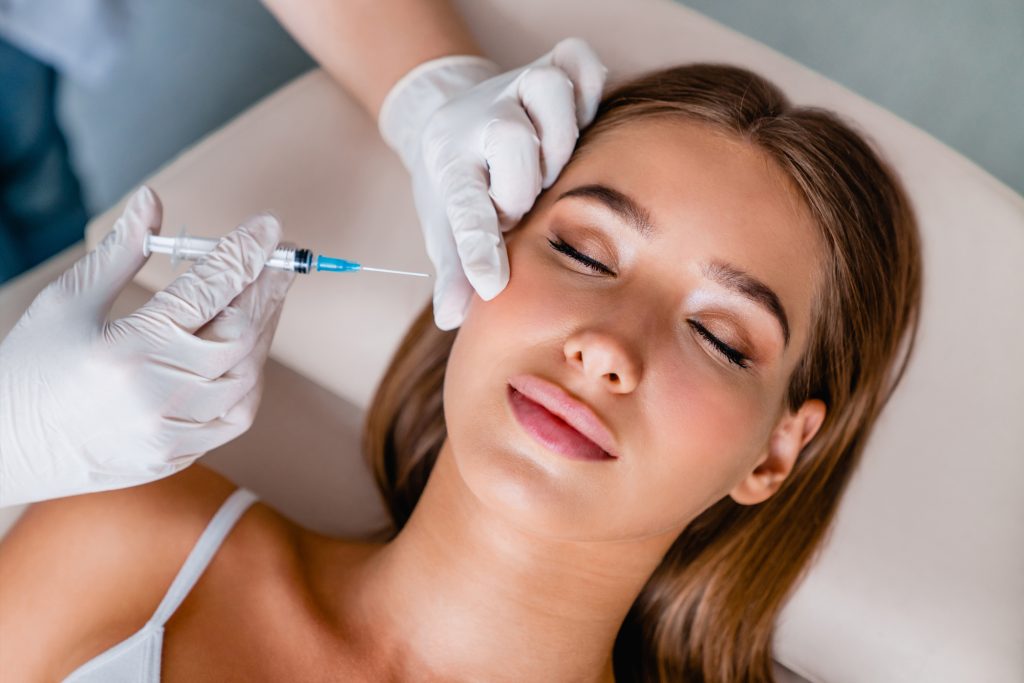
The potent neurotoxin botulinum toxin, commonly known as Botox, requires careful handling and administration by qualified medical personnel.
The increasing popularity of aesthetic procedures has unfortunately led to a rise in counterfeit products, among which fake Botox, or ‘Faux-Tox,’ stands out as particularly hazardous. Botulinum toxin, widely known by its commercial name Botox, is a potent neurotoxin that requires precise handling and administration by trained medical professionals. The proliferation of counterfeit Botox poses significant health risks, making it crucial for consumers to be vigilant and informed.
Understanding the Risks of ‘Faux-Tox’
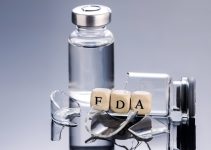
Botulinum toxin type A, marketed as Botox, is a highly regulated pharmaceutical product. Due to its potent nature, it necessitates meticulous storage and handling to ensure its safety and efficacy. Unauthorized and counterfeit versions, referred to as ‘Faux-Tox,’ often bypass these critical safety measures, leading to potentially severe health consequences. The U.S. Food and Drug Administration (FDA) has actively seized numerous knockoff products, yet many still circulate, endangering unsuspecting consumers.
Health Implications of Counterfeit Botox
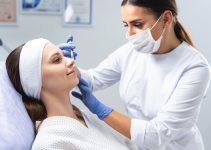
The administration of counterfeit Botox by untrained individuals in non-healthcare settings—such as homes, spas, or beauty salons—has resulted in hospitalizations. Patients who received these fake injections have one thing in common: people without the necessary medical training performed the procedures outside of a clinical setting. The dangers associated with these practices cannot be overstated. Adverse reactions to counterfeit Botox can range from mild skin irritations to severe systemic complications, potentially requiring emergency medical intervention.
Identifying Genuine Botox
As a consumer, safeguarding your health begins with the ability to distinguish genuine Botox from its counterfeit counterparts. Here are key indicators to help you identify authentic Botox products:
Check the Vial and Packaging
- Seal Integrity: Ensure the vial has an intact seal. A torn or tampered seal is a red flag indicating possible contamination or counterfeiting.
- Labeling Details: Authentic Botox vials will have specific labeling details, including:
- Lot Number and Expiration Date: These are essential for tracking the product’s production and ensuring its potency.
- Correct Naming: The name on the vial should start with “OnabotulinumtoxinA.” Deviations from this nomenclature can indicate a counterfeit product.
- Manufacturer’s Name: The vial should clearly display the manufacturer’s name, typically Allergan for authentic Botox.
Beware of Unusually Low Prices
Discounted prices on Botox injections can be tempting, but they are often indicative of counterfeit products. Authentic Botox comes with substantial manufacturing and regulatory compliance costs, reflected in its price. Significant deviations from standard pricing should raise suspicion.
Scrutinize the Source
Promotional deals sent through email or social media channels frequently result in phishing schemes or counterfeit products.
Purchasing Botox from reputable sources is crucial. Here are steps to ensure you are buying from a legitimate provider:
- Official Websites: Always shop from the official website of the brand or store. Verify the website address carefully; typos or unusual domain names can signal fraudulent sites.
- Avoid Email and Social Media Offers: Special offers or discounts sent via email or social media often lead to phishing scams or counterfeit products. It is best to avoid clicking on such links.
- Purchase in Person: Whenever possible, buy from a reputable business in person. Established clinics and licensed healthcare providers are more likely to offer genuine products and professional administration.
Educate Yourself and Communicate with Your Provider
As a patient or consumer, it is entirely appropriate to ask your healthcare provider about the specifics of the products being used. Inquire about the source of the Botox, and request to see the vial before administration. A legitimate provider will welcome your questions and provide transparent information about the product.
The Importance of Trained Administrators
Receiving Botox injections from trained medical professionals in a controlled clinical setting is paramount. These professionals have the expertise to handle the product correctly, administer precise dosages, and manage any potential complications. Non-medical settings and untrained individuals lack this critical knowledge, increasing the risk of adverse reactions.
The Broader Issue of Beauty Knockoffs
While ‘Faux-Tox’ is a significant concern, it is not the only counterfeit beauty product that poses risks. The market is flooded with knockoff skincare products, fillers, and other cosmetic treatments. These products often contain harmful ingredients and lack regulatory oversight, further endangering consumers.
Spotting Other Beauty Knockoffs
- Packaging and Labeling: Similar to Botox, examine the packaging of beauty products carefully. Authentic products will have detailed labeling, including ingredient lists, lot numbers, and expiration dates.
- Source Verification: Purchase from well-known and reputable sources. Avoid dubious websites and unauthorized sellers.
- Too Good to Be True Prices: If the price seems too good to be true, it probably is. Genuine beauty products come with a cost reflective of their quality and safety.
Conclusion
The rise of counterfeit beauty products, particularly ‘Faux-Tox,’ necessitates a heightened level of vigilance from consumers. Understanding the risks and learning to identify genuine products are critical steps in protecting your health. Always make sure that licensed professionals are administering Botox and other beauty treatments in appropriate clinical settings. By being informed and cautious, you can enjoy the benefits of cosmetic procedures without compromising your safety.
In summary, the key points to remember are:
- Verify the integrity and labeling of the Botox vial.
- Be cautious of unusually low prices.
- Purchase from reputable and official sources.
- Avoid email and social media offers.
- Insist on trained professionals for administration.
By adhering to these guidelines, you can effectively avoid the dangers associated with counterfeit Botox and other beauty knockoffs, ensuring a safer and more satisfying medical aesthetic experience.