


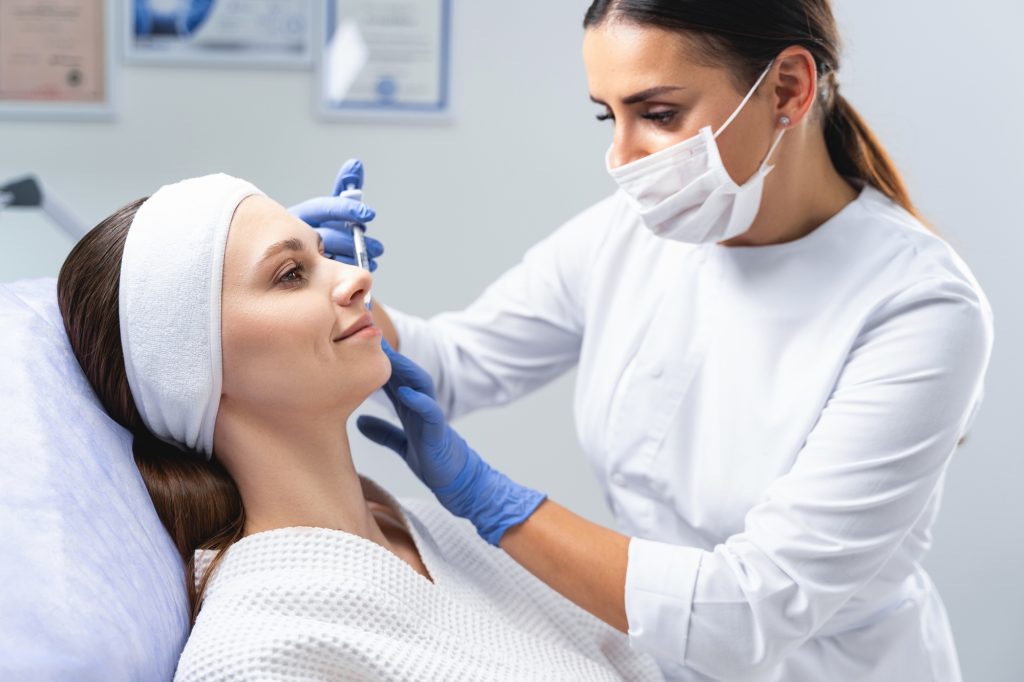
Hyaluronic acid fillers effectively treat nasolabial folds, compatible with the body’s natural substances.
As we age, the appearance of wrinkles, creases, and deep folds can diminish our confidence and detract from our natural beauty. Fortunately, advancements in aesthetic medicine offer effective solutions to address these concerns. Among the top treatments for restoring volume to nasolabial folds, hyaluronic acid (HA) fillers stand out as a popular choice. In this article, we delve into the various aspects of dermal fillers for nasolabial folds, exploring their effectiveness, safety, and benefits.
Understanding Nasolabial Folds
Nasolabial folds, commonly known as “laugh lines” or “smile lines,” are facial wrinkles that extend from the sides of the nose to the corners of the mouth. These folds become more pronounced with age, evolving from dynamic wrinkles that appear during smiling to static creases that are visible even at rest. While aging is a primary contributor to nasolabial folds, factors such as repeated facial expressions, reduced collagen production, sun damage, and volume loss also play a role in their development.
Considerations Before Choosing a Filler
Before opting for a filler to address nasolabial folds, individuals should consider several factors. It’s essential to consult with a board-certified medical professional who can assess individual needs and recommend suitable treatment options. In some cases, combined procedures may be necessary for optimal results. Additionally, patients should factor in the cost of treatment, potential side effects, and overall risks associated with injectable fillers. Open communication with healthcare providers ensures informed decision-making and personalized treatment plans.
Importance of Choosing the Right Filler
Selecting the most appropriate dermal filler requires a thorough understanding of product characteristics, including viscosity, elasticity, and longevity. These factors influence how the filler interacts with the skin, its integration within tissue layers, and the duration of results. Balancing efficacy with safety is paramount to minimize adverse reactions such as swelling, bruising, or lumpiness. Moreover, considering the desired aesthetic outcome is crucial, as different fillers offer varying degrees of subtlety and naturalness in results.
Types of Fillers for Nasolabial Folds
Hyaluronic acid (HA) fillers are among the most commonly used options for treating nasolabial folds due to their compatibility with the body’s natural substances. HA fillers effectively restore volume, smooth wrinkles, and improve skin texture with minimal downtime and few side effects.
Benefits of Smile Line Filler
Utilizing dermal fillers to address nasolabial folds offers numerous advantages, including:
- Youthful appearance
- Enhanced facial symmetry
- Midface “lifted” appearance
- Smoother skin texture
- Reduced visibility of wrinkles and lines
- Quick, nearly painless procedure
- Minimal downtime
- Potential collagen production stimulation
- Immediate and long-lasting results
- Non-surgical and non-invasive approach
- Compatibility with other filler treatments
Procedure and Mechanism of Action
The procedure involves strategically injecting hyaluronic acid-based fillers into the skin to restore volume and smooth out nasolabial folds. Hyaluronic acid attracts moisture to the area, plumping the skin from within and reducing the appearance of wrinkles. Additionally, these fillers may stimulate the body’s collagen production, improving skin elasticity and resilience over time.
Conclusion
Dermal fillers offer a safe, effective, and minimally invasive solution for addressing nasolabial folds and restoring a youthful appearance. By choosing the right filler and working closely with experienced healthcare providers, individuals can achieve natural-looking results and enhance their overall confidence. With proper consideration of individual needs, goals, and safety precautions, dermal filler treatments for nasolabial folds can be a transformative experience, rejuvenating the face and restoring a radiant, youthful glow.