

To reduce the dangers posed by counterfeit drugs, the Food and Drug Administration (FDA) is taking proactive measures.
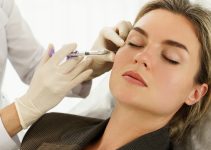
Administering Botox, a procedure involving the injection of botulinum toxin, inherently involves a significant level of trust. A concerning increase in cases of fake Botox shows how misplaced this trust has become.
As of mid-April 2024, 22 women across 11 states had reported adverse reactions after receiving fake Botox injections. These women, aged 25 to 59, primarily sought Botox for cosmetic enhancements, although Botox is also utilized in treating medical conditions such as chronic migraines, hyperhidrosis, overactive bladder, and strabismus. The adverse reactions mirrored the symptoms of botulism, a severe illness caused by botulinum toxin, including visual disturbances, dysphagia, dysarthria, respiratory difficulties, and facial muscle weakness.
The prevalence of counterfeit Botox is not an isolated issue but rather part of a broader problem of counterfeit drugs. High-demand, expensive medications are particularly susceptible to counterfeiting. For instance, Ozempic, a medication originally intended for diabetes management but now popular for weight loss, has seen extensive counterfeiting. By December 2023, reports surfaced about thousands of counterfeit units infiltrating the market. Similarly, an HIV treatment priced over $4,000 for a 30-day supply was found counterfeited in several U.S. pharmacies as early as 2020.
The exorbitant cost of prescription medications in the United States is well-documented. A survey in the U.S. revealed that nearly one-third of Americans find prescription costs financially burdensome. This financial strain drives some patients to seek more affordable alternatives, inadvertently fueling the counterfeit drug market. These counterfeit drugs, often produced overseas and illegally smuggled into the U.S., pose significant risks. They can contain incorrect or dangerous ingredients or incorrect dosages, making their safety and efficacy highly unpredictable.
To mitigate the risks associated with counterfeit drugs, the Food and Drug Administration (FDA) is actively addressing the issue. Despite the challenges, the FDA asserts that the U.S. drug supply remains one of the safest globally. They recommend several measures to ensure drug authenticity, including:
- Visual Inspection: If you are familiar with a medication, scrutinize its appearance and packaging for any discrepancies.
- Monitor Side Effects: Be alert to any new or unusual side effects that were not experienced previously with the medication.
- Online Pharmacies: Exercise caution when purchasing medications online. While many online pharmacies are legitimate and offer substantial savings, there are also fraudulent operators.
- Qualified Practitioners: Ensure that a trained and licensed medical professional administers medical treatments like Botox. Many of the women affected by the recent counterfeit Botox incidents received injections from unlicensed or inadequately trained individuals in non-medical settings.
Counterfeit drugs not only pose serious health risks but also undermine public trust in medical treatments and the healthcare system. The botched Botox incidents underscore the critical importance of ensuring the authenticity of medications and medical treatments.
Counterfeit medications, particularly those designed for cosmetic purposes or chronic condition management, represent a significant public health challenge. The financial incentives for counterfeiters are substantial, driven by the high cost and demand for these drugs. However, the consequences for patients can be severe, ranging from ineffective treatment to life-threatening adverse effects.
The FDA’s role in combating counterfeit drugs is crucial, but consumers also have a responsibility to be vigilant. By staying informed and cautious, patients can help protect themselves from the dangers of counterfeit medications. This entails spotting the telltale signs of fake medications, comprehending the dangers of buying prescription drugs from dubious sources, and ensuring that qualified professionals are performing medical procedures.
The rise in counterfeit drugs, exemplified by the fake Botox incidents, highlights the need for ongoing vigilance and stringent regulatory measures to safeguard public health. The FDA continues to work towards enhancing drug safety and ensuring that patients have access to genuine, effective, and safe medications.