

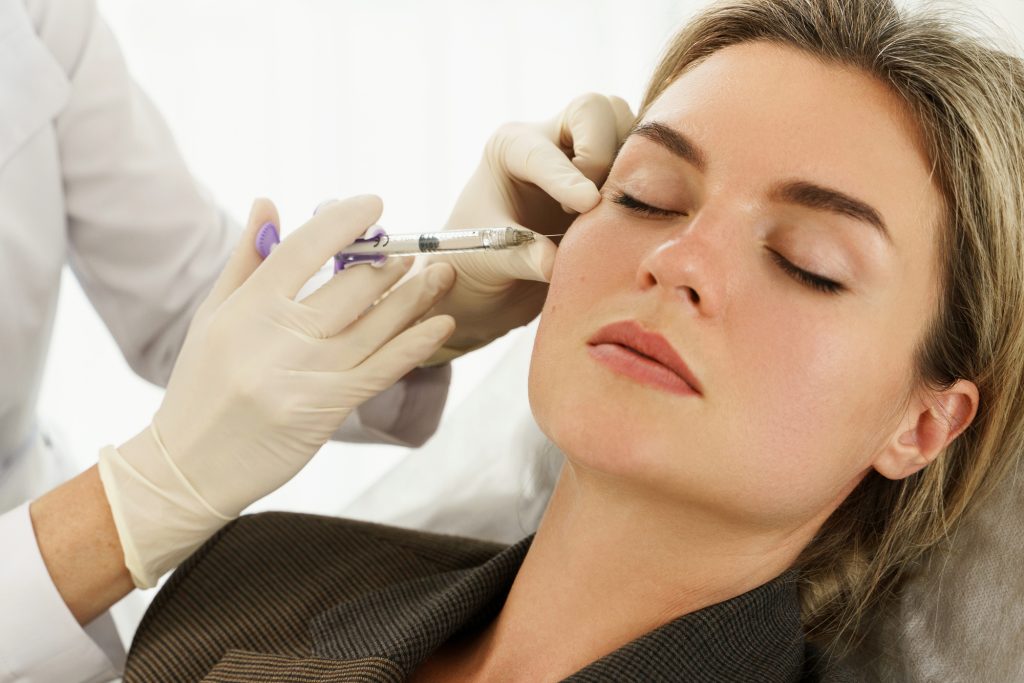
The filler procedure entails injecting a gel-like material beneath the surface of the skin.
Dermal fillers have emerged as a non-surgical procedure to enhance and rejuvenate facial features effectively. By adding volume and smoothing out wrinkles and fine lines, dermal fillers help achieve a more youthful and aesthetically pleasing appearance. The procedure involves injecting a gel-like substance beneath the skin’s surface. The primary objective is to restore lost volume, contour the face, and enhance specific features. This article delves into the various aspects of dermal fillers, including their applications, the consultation and treatment process, and post-treatment care.
Applications of Dermal Fillers
Dermal fillers are versatile and can address a wide range of cosmetic concerns. Here are some of the primary areas where dermal fillers prove to be highly effective:
- Lips: Dermal fillers offer the ability to enhance and give fullness to thin lips. They also allow for the definition of the lip contour and the reduction of the visibility of vertical lines on the lips, often referred to as “smoker’s lines.” This results in a plumper, more defined lip appearance, contributing to an overall youthful look.
- Nasolabial Folds: Nasolabial folds are deep lines that extend from the sides of the nose to the corners of the mouth. Dermal fillers can smooth and fill these lines, resulting in a rejuvenated and youthful look. By addressing these prominent lines, fillers help restore a balanced facial appearance.
- Cheeks: Loss of volume in the cheeks is a common sign of aging. Dermal fillers can add volume to the cheeks, enhancing their contour and restoring a youthful appearance. This not only improves the overall facial structure but also provides a lifted look, combating sagging skin.
- Marionette Lines: Marionette lines are lines that run from the corners of the mouth down to the chin. By providing volume and aiding in the gentle repositioning of the corners of the mouth, dermal fillers assist in uplifting the lower lip and crafting an upwardly curved mouth corner. This creates a more pleasant and approachable facial expression.
- Under-Eye Circles: Dark circles and hollows under the eyes can make one look tired and aged. Dermal fillers can reduce the appearance of under-eye circles by filling in the hollows and providing a smoother transition between the lower eyelid and the cheek, resulting in a fresher and more alert appearance.
- Sagging Skin and Scars: Dermal fillers also have the potential to minimize the appearance of scars and improve the look of sagging skin. By adding volume and smoothing out irregularities, fillers can enhance skin texture and overall facial harmony.
- Hands: Apart from facial applications, dermal fillers can also be used to improve the appearance of hands. By restoring volume, fillers can reduce the visibility of veins and tendons, making the hands appear more youthful.
The Process of Dermal Filler Treatment
The journey to achieving desired results with dermal fillers is structured into three distinct phases: the consultation phase, the treatment stage, and the support and recovery phase.
- Consultation Phase: Before the procedure, a comprehensive consultation is conducted to understand the patient’s unique needs and facial structure. During this phase, patients are advised to avoid blood-thinning substances such as aspirin, Advil, and alcohol for at least 10 days to minimize the risk of bruising and bleeding. The consultation covers specific goals, expected outcomes, medical history, and any questions the patient may have about the process. This thorough assessment forms the basis of a personalized treatment plan, identifying target areas for treatment and selecting the most appropriate type of dermal filler to achieve the desired outcomes.
- Treatment Stage: The treatment stage is designed to be efficient, typically taking about 90 minutes to complete. This includes time for numbing the treatment area to minimize potential discomfort during the procedure. The actual injection process is relatively quick, and any discomfort experienced is usually mild. The procedure involves the careful and precise injection of the filler into the target areas, following the personalized treatment plan discussed during the consultation. Patients are ensured a supportive and comfortable environment throughout the treatment.
- Support and Recovery Phase: Post-treatment care is crucial to ensure the best results and minimize any potential side effects. After the procedure, it is important to allow the face some time to recover, ideally for at least a day. During this recovery period, patients are advised to avoid using skincare products, engaging in massaging, or applying makeup to the treated area. Proper aftercare instructions and support are provided to ensure a smooth recovery process. Patients are encouraged to follow these guidelines closely to achieve optimal results and a satisfactory experience.
Conclusion
Dermal fillers offer a non-surgical solution for individuals seeking to enhance and rejuvenate their facial features. By adding volume, smoothing out wrinkles, and contouring specific areas, fillers can address a variety of cosmetic concerns, from lips and cheeks to under-eye circles and sagging skin. The structured approach to the filler experience, encompassing the consultation phase, treatment stage, and support and recovery phase, ensures a cohesive and streamlined journey towards achieving desired results. Through personalized treatment plans and comprehensive care, dermal fillers provide a safe and effective way to enhance one’s natural beauty and restore a youthful appearance.