

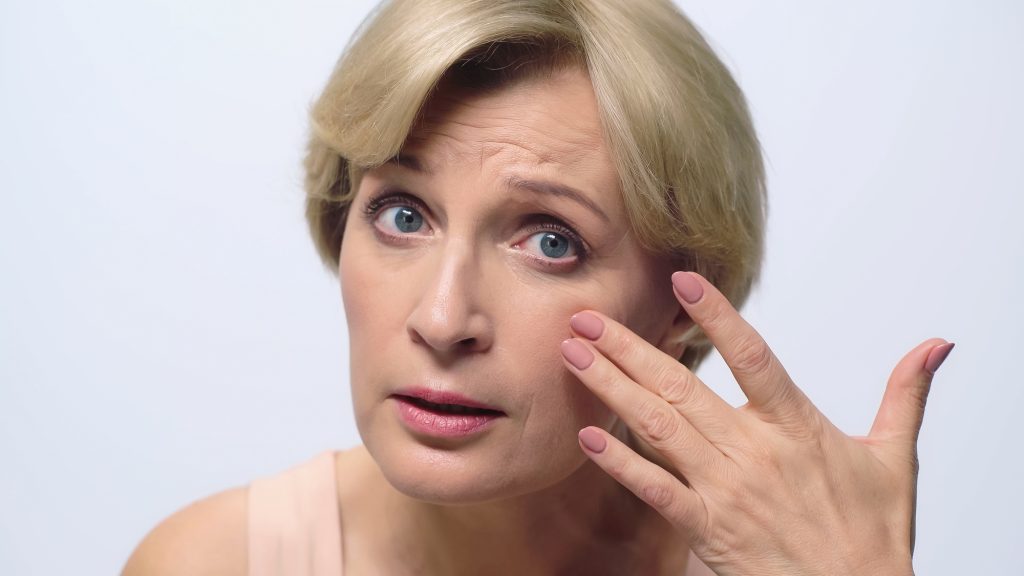
Botox reduces facial wrinkles in aesthetic medicine and treats various neuromuscular conditions in therapeutic settings.
Botox, a widely recognized brand of botulinum toxin type A, is a neurotoxin derived from Clostridium botulinum. It is commonly used in aesthetic medicine to temporarily reduce facial wrinkles and in therapeutic settings for various neuromuscular conditions. Due to their popularity and high demand, counterfeit Botox products have infiltrated the market, posing significant health risks to patients. This article provides a comprehensive guide to identifying counterfeit Botox. It emphasizes the importance of verifying the authenticity of the vial, drawing on expert advice and investigative insights from a TV show.
The Importance of Authentic Botox
Genuine Botox is manufactured under strict regulatory conditions to ensure safety, efficacy, and consistency. Patients must receive authentic Botox because counterfeit products may contain harmful substances, incorrect dosages, or ineffective formulations. The consequences of using fake Botox can range from ineffectiveness to severe adverse reactions, including allergic responses, infections, and even life-threatening conditions.
Recognizing Genuine Botox Packaging
One of the primary steps in identifying authentic Botox is to scrutinize its packaging. Authentic Botox vials have distinct features designed to prevent counterfeiting:
- Labeling and Logos: Authentic Botox packaging features the Allergan logo, clear and consistent labeling, and specific font and color schemes. Counterfeit products often have discrepancies in logo design, font size, and color accuracy.
- Holographic Seals: Genuine Botox vials are sealed with a holographic strip that changes appearance when viewed from different angles. This feature is difficult to replicate and is a reliable indicator of authenticity.
- Batch Numbers and Expiry Dates: Each vial of authentic Botox has a unique batch number and expiration date printed on both the vial and the packaging. These numbers should match, and the printing should be crisp and legible. Counterfeit products may have mismatched or poorly printed batch information.
- Packaging Integrity: Authentic Botox is packaged in a sturdy box with a professional finish. Counterfeit packaging may appear flimsy, with irregular cuts, blurred printing, or uneven surfaces.
Examining the Vial Contents
In addition to scrutinizing the external packaging, the vial contents should be examined closely:
- Powder Appearance: Genuine Botox appears as a white to off-white lyophilized powder. Counterfeit Botox may appear discolored or have a different texture.
- Solvent Volume: When reconstituted, genuine Botox should dissolve entirely in the provided solvent without leaving residues or particles. If there are undissolved particles or cloudiness, the product may be counterfeit.
- Label Clarity: The vial label on authentic Botox is clear and professionally printed. Any signs of smudging, unclear printing, or misalignment can indicate a counterfeit product.
Purchasing from Reputable Sources
To minimize the risk of obtaining counterfeit Botox, it is essential to purchase from reputable and authorized sources:
- Licensed Medical Professionals: Always receive Botox injections from licensed medical professionals who obtain their products directly from Allergan or authorized distributors. Avoid treatments offered by unlicensed individuals or establishments.
- Verify Credentials: Check the practitioner’s credentials and certification. Legitimate providers will have appropriate training and certification to administer Botox safely.
- Direct Verification: Patients can directly verify the source of their Botox by contacting Allergan or using the Allergan verification tool available on their website.
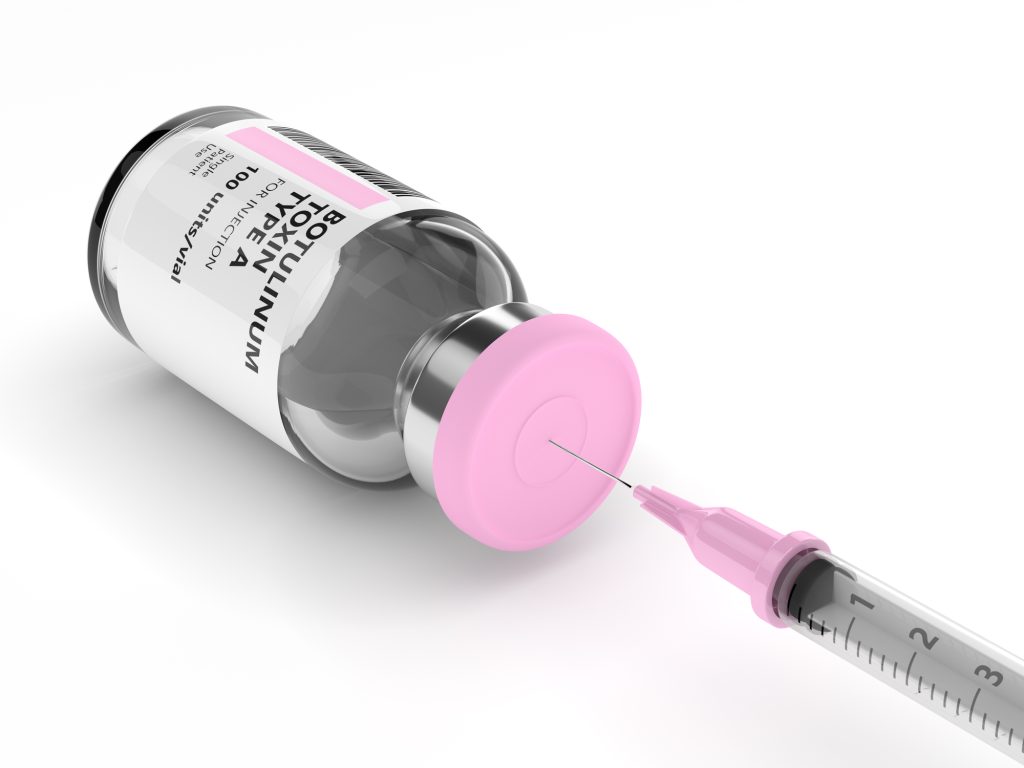
Authentic Botox is produced under stringent regulations to guarantee its safety, effectiveness, and consistency.
Adverse Effects and Legal Implications
Using counterfeit Botox can lead to various adverse effects and legal complications:
- Health Risks: Fake Botox can cause severe allergic reactions, infections, and other complications. Symptoms may include swelling, redness, pain at the injection site, fever, and, in severe cases, anaphylaxis or botulism-like symptoms.
- Lack of Efficacy: Counterfeit Botox may not provide the desired aesthetic or therapeutic outcomes, leading to patient dissatisfaction and the need for corrective procedures.
- Legal Consequences: The use and distribution of counterfeit Botox are illegal. Practitioners caught using fake products can face legal action, fines, and revocation of their medical licenses. Patients harmed by counterfeit Botox can seek legal recourse for medical malpractice.
Reporting Counterfeit Botox
Patients and practitioners who encounter suspected counterfeit Botox should report it to the relevant authorities:
- Regulatory Agencies: Report suspected counterfeit products to national regulatory agencies such as the U.S. Food and Drug Administration (FDA).
- Manufacturer: Notify Allergan directly about suspected counterfeit Botox. The manufacturer can take steps to investigate and prevent further distribution of fake products.
- Professional Associations: Inform medical professional associations. The organizations can provide support and guidance.
Case Study Insights
An investigative report highlighted several real-life cases of counterfeit Botox usage, emphasizing the importance of vigilance:
- Case 1: Unauthorized Clinics: The investigation uncovered unauthorized clinics offering Botox treatments at meager prices. Patients who received treatments from these clinics experienced adverse reactions, including severe swelling and infections. Upon examination, the products were found to be counterfeit, lacking proper labeling and packaging integrity.
- Case 2: Online Purchases: Patients who purchased Botox online from non-authorized sellers received counterfeit products that were ineffective and caused skin irritation. The investigation traced these products back to illegal manufacturing operations overseas.
- Case 3: Practitioner Misconduct: A licensed practitioner was found to be using counterfeit Botox sourced from an unauthorized distributor to cut costs. Several patients reported adverse reactions, leading to an investigation that resulted in the practitioner’s license being revoked and legal action taken against the distributor.
Preventive Measures
To prevent the use of counterfeit Botox, several measures can be implemented:
- Education and Training: Enhance education and training programs for healthcare professionals on the identification and risks of counterfeit Botox. Regular updates on counterfeit trends and preventive strategies should be provided.
- Stricter Regulations: Implement more stringent regulations and enforce them against the distribution and use of counterfeit medical products. Increased penalties and more frequent inspections can deter illegal activities.
- Public Awareness Campaigns: Launch public awareness campaigns to educate patients on the importance of receiving Botox treatments from licensed and reputable sources. Informative resources on how to identify counterfeit products should be widely disseminated.
- Technological Solutions: Utilize technological solutions such as blockchain and advanced tracking systems to monitor the distribution chain of Botox products. This can ensure transparency and traceability from the manufacturer to the end-user.
Conclusion
Counterfeit Botox’s prevalence underscores patients’ and practitioners’ critical need for vigilance and due diligence. Understanding the distinguishing features of authentic Botox, purchasing from reputable sources, and reporting suspected counterfeit products can significantly mitigate the risks associated with fake Botox. The investigative insights provided by the TV show serve as a valuable reminder of the potential dangers and legal implications of counterfeit Botox, reinforcing the importance of continuously checking the vial before use. Ensuring Botox’s authenticity protects patient safety and upholds the integrity of the medical and aesthetic professions.