

The safe Botox dosage depends on numerous factors, including the treatment location, patient anatomy, and desired outcome.
Botox, short for Botulinum Toxin, is a neurotoxic protein derived from the bacterium Clostridium botulinum. It’s widely known for its cosmetic use in reducing the appearance of facial wrinkles. Still, Botox also has medical applications, such as treating chronic migraines, excessive sweating (hyperhidrosis), and specific muscle disorders. Botox temporarily paralyzes muscles, preventing them from contracting and causing wrinkles or spasms. This effect is achieved by blocking the release of acetylcholine, a neurotransmitter responsible for muscle contractions.
The popularity of Botox has surged over the years, with millions of procedures performed annually worldwide. Despite its widespread use, many people still have questions about its safety and appropriate dosage. Understanding the recommended units and ensuring qualified professionals administer treatments are crucial for achieving safe and satisfactory results.
How many Botox units are safe?
Determining the safe number of Botox units involves several factors, including the treated area, the individual’s anatomy, and the desired outcome. Botox is measured in units, which quantify its biological activity. For cosmetic purposes, the U.S. Food and Drug Administration (FDA) has approved specific guidelines regarding the number of units for various treatment areas:
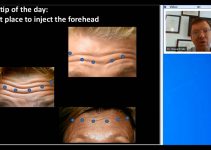
- Forehead Lines: Typically, 10-30 units are recommended to smooth horizontal forehead lines. However, this can vary based on the depth of the wrinkles and muscle strength.
- Frown Lines (Glabellar Lines): 20-25 units are often used for the vertical lines between the eyebrows. This area is highly expressive, so precise dosing is crucial to avoid a “frozen” look.
- Crow’s Feet: Around 5-15 units per side are generally used to address the fine lines around the eyes, helping to maintain a natural, youthful appearance.
- Bunny Lines: Treating the lines on the nose may require 5-10 units.
- Lip Lines and Gummy Smile: To soften vertical lip lines or reduce a gummy smile, 4-10 units may be administered.
- Neck Bands (Platysmal Bands): Depending on the severity of the bands, this area can require 25-50 units.
- Masseter Muscle (Jawline Slimming): 20-30 units per side may be necessary for jawline contouring or treating teeth grinding.
These numbers provide a general guideline, but individual needs can vary significantly. Factors such as muscle mass, gender (men often need more units than women due to stronger muscles), and previous Botox treatments play a role in determining the appropriate dosage.
Why Botox Units Matter
Understanding Botox units is essential for both safety and effectiveness. Administering too few units may result in insufficient muscle relaxation, leading to suboptimal outcomes and potentially a shorter duration of effect. Conversely, too many units can cause over-relaxation of the muscles, leading to an unnatural appearance, difficulty with facial expressions, or even adverse effects like drooping eyelids (ptosis).
Each Botox unit is calibrated to deliver a precise amount of the toxin. Because of this precision, Botox treatments must be tailored to the individual. The treatment area, muscle strength, and patient’s aesthetic goals must be carefully considered to determine the required units. Additionally, different brands of Botulinum Toxin have varying potencies, so the units are not interchangeable and should be administered accordingly.
Importance of Professional Consultation
The cornerstone of safe and effective Botox treatment is a professional consultation with a qualified and experienced practitioner. Here are several reasons why a professional consultation is indispensable:
- Personalized Assessment: A qualified practitioner will assess your facial anatomy, muscle strength, and skin condition to determine the appropriate number of Botox units for your specific needs.
- Medical History Review: Certain medical conditions and medications can affect the safety and effectiveness of Botox. A professional will review your medical history to identify any potential contraindications.
- Technique and Precision: Proper injection technique is critical. Experienced practitioners understand the intricate anatomy of facial muscles and can place injections precisely to achieve natural-looking results.
- Managing Expectations: During a consultation, you can discuss your aesthetic goals and any concerns you may have. The practitioner can set realistic expectations and explain what Botox can and cannot achieve.
- Safety Protocols: Professionals adhere to stringent safety protocols to minimize the risk of complications. This includes using sterile equipment, appropriate dosages, and proper injection techniques.
- Post-Treatment Care: Aftercare is essential for optimizing results and minimizing side effects. A professional will provide detailed post-treatment instructions and be available for follow-up care if needed.
The Takeaway
Botox can be a highly effective treatment for reducing the appearance of wrinkles and addressing certain medical conditions when administered correctly. The key to a safe and successful Botox experience lies in understanding the appropriate number of units required for each treatment area and the importance of professional consultation. Here are the main points to remember:
- Understand the Dosage: Different areas of the face require different numbers of Botox units. Knowing these guidelines helps set realistic expectations.
- Individual Variations: Dosage can vary based on individual factors such as muscle strength, previous treatments, and personal goals.
- Professional Consultation is Crucial: Always seek treatment from a qualified and experienced practitioner to ensure safe and effective results.
- Safety and Efficacy: Proper dosage and injection technique are essential to avoid complications and achieve natural-looking results.
- Aftercare: Follow the aftercare instructions provided by your practitioner to maintain the best results and minimize any side effects.
Get started with Botox
If you’re considering Botox, the first step is to schedule a consultation with a qualified professional. They can provide personalized advice based on your unique needs and help you understand the process, from the number of units required to the expected outcomes. Whether you’re looking to reduce the appearance of wrinkles or address a medical condition, Botox can offer significant benefits when administered correctly.
To find a reputable provider, look for board-certified dermatologists, plastic surgeons, or trained professionals in aesthetic medicine. Check reviews, ask for before-and-after photos of previous patients, and ensure that the practitioner follows all safety protocols.
In summary, Botox can be a safe and effective treatment when approached with the proper knowledge and professional guidance. By understanding the appropriate number of units, seeking professional consultation, and adhering to recommended safety measures, you can achieve the best possible results from your Botox treatment. Whether you’re new to Botox or looking to refine your existing routine, informed decisions and professional care are your best allies in the journey to smoother, more youthful-looking skin.