

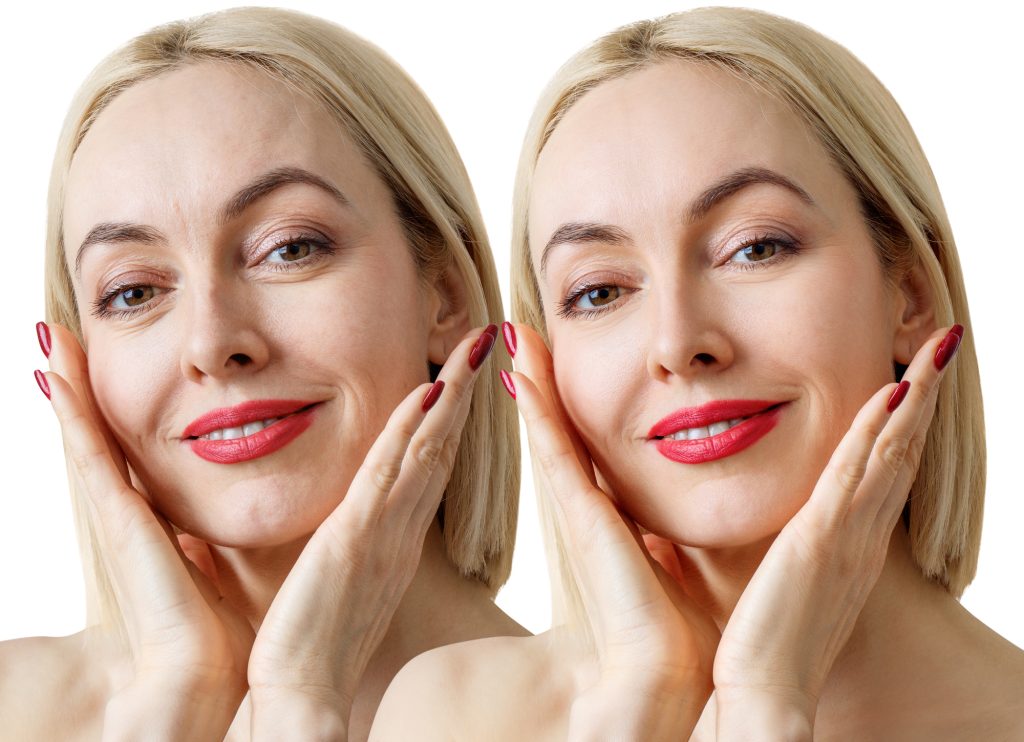
Botox has changed the landscape of cosmetic medicine by providing a minimal-risk way to reduce wrinkles and rejuvenate treatments.
In the domain of aesthetic enhancements, few interventions have garnered as much traction and universal acceptance as Botox. Acknowledged for its capacity to mitigate wrinkles and fine lines, Botox has ascended to a ubiquitous status emblematic of vitality and rejuvenation. However, for novices, navigating the milieu of Botox can prove daunting. From comprehending the essence of Botox to its mechanism of action and anticipated outcomes during treatment, this introductory compendium endeavors to elucidate Botox and furnish fundamental insights for individuals contemplating this cosmetic modality.
Understanding Botox
Botox, an abbreviation for botulinum toxin, epitomizes a neurotoxic protein extracted from the bacterium Clostridium botulinum. Despite its inherent toxicity, when administered in minute, controlled dosages, Botox emerges as a potent adjunct in cosmetic medicine. Its modus operandi revolves around transiently paralyzing or enfeebling muscles, thereby mitigating the prominence of wrinkles and lines attributable to repetitive facial gestures.
Mechanism of Botox Action
Botox exerts its effects by impeding nerve-to-muscle signals and precluding muscle contractions. Muscles subjected to perpetual contraction due to repetitive movements, such as furrowing or squinting, are predisposed to wrinkle formation over time. Through the inhibition of muscle contractions, Botox facilitates the attenuation of extant wrinkles and forestalls the genesis of novel ones, culminating in a more youthful and invigorated visage.
Common Botox Treatment Areas
- Glabellar Lines (Frown Lines): Vertical furrows manifesting between the eyebrows, colloquially dubbed “11” lines or frown lines, constitute a prevalent target for Botox intervention.
- Frontal Lines: Horizontal creases delineating the forehead due to muscular activity are amenable to efficacious treatment with Botox injections.
- Periorbital Rhytids (Crow’s Feet): Delicate lines and creases emanating from the ocular corners, commonly referred to as crow’s feet, can be smoothed with Botox.
- Nasal Creases (Bunny Lines): These wrinkles, conspicuous upon smiling or scrunching the nose, can be mollified with Botox to impart a softened appearance.
- Mandibular Contouring: Botox administration along the mandibular contour relaxes muscles, fostering a slenderized and refined jawline aesthetic.
Treatment Experience
- Preliminary Consultation: The inaugural phase of Botox intervention entails a comprehensive consultation with a proficient healthcare professional, typically a dermatologist or plastic surgeon. This session encompasses the evaluation of facial morphology, delineation of aesthetic objectives, and formulation of a tailored treatment strategy.
- Injection Procedure: Botox injections are dispensed utilizing fine-gauge needles, directly targeting musculature. The procedure is expeditious and minimally invasive, affording negligible post-procedural downtime.
- Sensory Perception: Some individuals may encounter mild discomfort or a fleeting stinging sensation during injections, which is generally well-tolerated.
- Outcome Realization: The efficacy of Botox injections typically manifests within several days to a week post-treatment, with maximal effects discernible within a fortnight. The duration of effectiveness varies among individuals, albeit typically spanning three to four months before necessitating reiteration.
Potential Adverse Effects
While Botox administration under the aegis of a proficient healthcare provider is deemed safe, prospective risks and side effects include:
- Ecchymosis: Transient discoloration at the injection locale is commonplace, usually resolving within a brief period.
- Edema: Mild edema or erythema at the injection site may transiently ensue, yet typically subsides expeditiously.
- Cephalalgia: Occasional individuals may experience mild headaches after Botox administration, albeit rare and self-resolving.
- Eyelid Ptosis: Infrequently, periorbital Botox injections may precipitate transient eyelid ptosis, spontaneously ameliorating within weeks.
Conclusion
Botox has metamorphosed the landscape of cosmetic medicine, offering a secure and efficacious remedy for wrinkle mitigation and aesthetic rejuvenation. For beginners, learning the basic rules of Botox, such as how it works, where it is usually used, how the procedure works, and what effects might happen, is important for making smart choices about whether Botox is a good choice as an intervention. Going on a Botox odyssey becomes a confident venture under the direction of qualified hands by having thoughtful discussions with a skilled healthcare professional and outlining personal aesthetic goals.