Month: April 2024

A Rejuvenating Look: How Botox Can Revive Your Skin
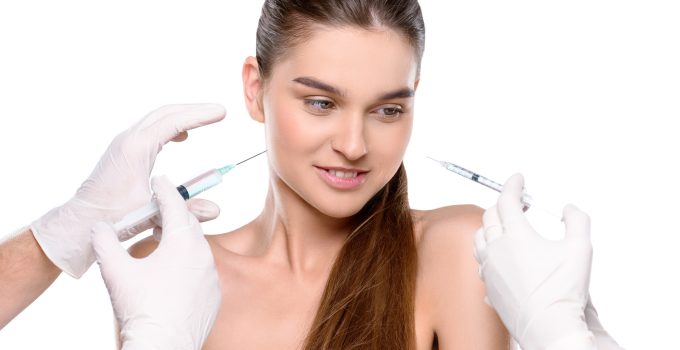
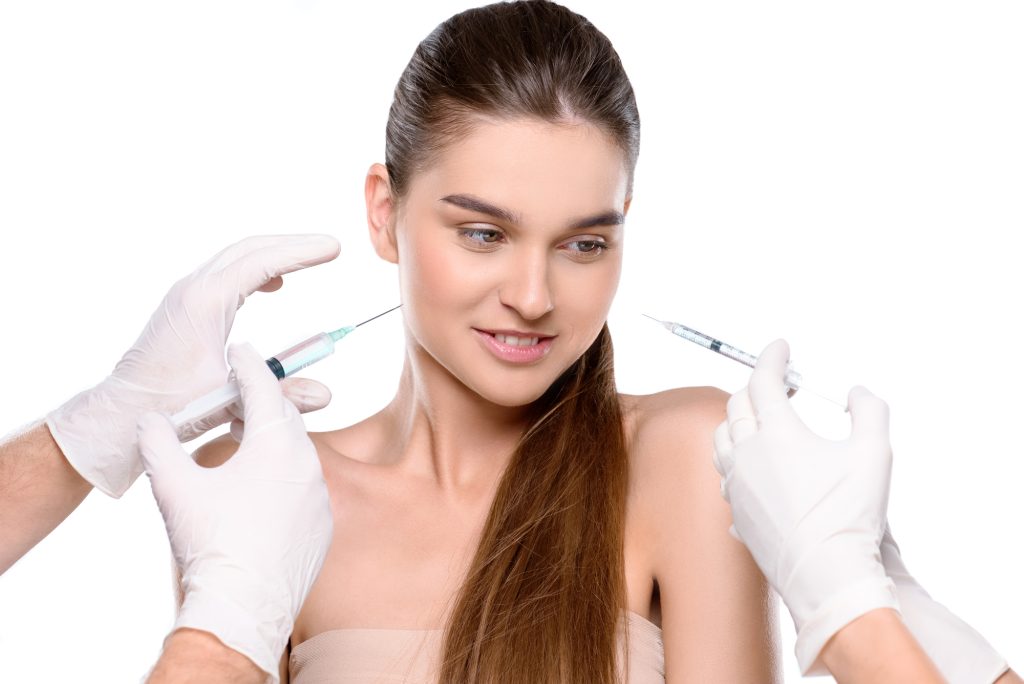
Botox is injected straight into the targeted facial muscles with a tiny needle.

Botox is injected straight into the targeted facial muscles with a tiny needle.

In cosmetic procedures, few treatments have garnered as much attention and widespread acclaim as Botox. Renowned for its remarkable ability to diminish wrinkles, fine lines, and facial creases, Botox has become a household name synonymous with youthful rejuvenation. As one of the most popular non-surgical cosmetic treatments available, Botox offers a safe, effective, and minimally invasive solution for addressing various signs of aging. This article will delve into Botox treatment, uncovering its benefits, procedure details, and considerations for those considering this transformative anti-aging solution.

Understanding Botox Treatment

Botox, derived from the bacterium Clostridium botulinum, is a neurotoxic protein known scientifically as Botulinum toxin. When administered in small, controlled doses, Botox temporarily relaxes the muscles responsible for causing dynamic wrinkles, such as crow’s feet, frown lines, and forehead wrinkles. This relaxation leads to smoother, more youthful-looking skin and a refreshed appearance.

Benefits of Botox Treatment

Wrinkle Reduction: One of the primary benefits of Botox treatment is its effectiveness in reducing the appearance of fine lines and wrinkles, particularly those caused by repetitive facial movements such as smiling or squinting.

Preventative Aging: Botox can also be used preventatively to delay the formation of wrinkles by inhibiting muscle movement in areas prone to developing lines over time. Many individuals opt for Botox as a proactive measure to maintain youthful skin and prevent the onset of aging signs.

Non-Invasive: Unlike surgical procedures, Botox treatment is minimally invasive and requires no downtime. Patients can typically resume their normal activities immediately after the procedure, making it a convenient option for those with busy lifestyles.

Customizable Results: Botox treatment can be tailored to each patient’s unique aesthetic goals, ensuring natural-looking results that enhance their features without compromising facial expression. Cosmetic providers work closely with patients to achieve their desired outcomes while preserving their individuality.

Quick and Convenient: Botox injections are typically fast and convenient, with most treatments taking just 10–15 minutes to complete. This makes Botox an ideal option for individuals seeking noticeable results without the need for extensive time commitments.

Procedure Details

Consultation: The Botox treatment journey begins with an initial consultation, during which the cosmetic provider assesses the patient’s facial anatomy, discusses their goals and expectations, and develops a customized treatment plan. This consultation is crucial for ensuring that the patient’s concerns are addressed and that realistic expectations are established.

Injection Process: Botox is administered through a series of injections directly into the targeted facial muscles using a fine needle. The number of injections and the amount of Botox used will vary depending on the treatment area and the severity of the wrinkles. Patients may experience mild discomfort during the injection process, which is typically brief and well-tolerated.

Results: Patients may begin to notice improvements in their appearance within a few days of receiving Botox treatment, with full effects typically becoming apparent within 1–2 weeks. The results of Botox treatment typically last 3–4 months, after which maintenance treatments may be recommended to sustain the effects. Regular follow-up appointments allow cosmetic providers to monitor the patient’s progress and make any necessary adjustments to their treatment plan.

Considerations Before Undergoing Botox Treatment

Qualifications: Choosing a qualified and experienced cosmetic provider trained in administering Botox injections is essential. Patients should research potential providers thoroughly, ensuring they have the credentials and expertise to deliver safe and effective results.

Side Effects: While Botox is generally safe, some patients may experience temporary side effects such as bruising, swelling, or drooping eyelids following treatment. These effects are usually mild and resolve on their own within a few days. Patients should discuss any concerns or potential risks with their cosmetic provider before undergoing treatment.

Maintenance: It is essential to understand that Botox treatment is not permanent, and regular maintenance treatments are necessary to maintain the desired results over time. Patients should be prepared to schedule follow-up appointments to ensure long-lasting benefits, as their cosmetic provider suggests.

In conclusion, Botox treatment offers a safe, effective, and minimally invasive solution for reducing wrinkles and achieving a more youthful appearance. Whether seeking to smooth fine lines, prevent future wrinkles, or refresh one’s overall look, Botox can help individuals achieve their aesthetic goals with natural-looking results. By understanding the benefits, procedure details, and considerations involved in Botox treatment, patients can make informed decisions about whether this transformative anti-aging solution is right for them. Consulting with a qualified cosmetic provider is the first step toward unlocking the rejuvenating benefits of Botox and embracing a more youthful version of oneself.


Navigating Cosmetic Procedures with Psoriasis: Understanding the Safety of Botox

Patients with psoriasis can safely use Botox injections for aesthetic purposes with proper disease management and guidance from medical professionals.

Patients with psoriasis can safely use Botox injections for aesthetic purposes with proper disease management and guidance from medical professionals.

For individuals managing psoriasis, the prospect of undergoing cosmetic procedures may seem daunting. Concerns about skin trauma and the potential worsening of symptoms often lead to apprehension about treatments such as Botox injections. However, with proper management and medical experts’ guidance, many psoriasis individuals can safely explore cosmetic enhancements.

Understanding Psoriasis and Skin Health

Psoriasis is a chronic autoimmune condition characterized by inflammation and the rapid turnover of skin cells, forming thick, red patches covered with silvery scales. During active disease states, the inflammatory response in the skin is heightened, increasing the risk of complications and skin reactions to external stimuli.

The Impact of Psoriasis on Cosmetic Procedures

Psoriasis is known to be aggravated by skin trauma, a phenomenon known as the Koebner phenomenon. This means that injuries to the skin, such as burns or cuts, can trigger the development of psoriatic lesions in affected individuals. Consequently, many people with psoriasis are wary of undergoing cosmetic procedures that involve needles, lasers, or chemical peels due to concerns about exacerbating their condition.

The Role of Disease Control in Cosmetic Treatment

However, the decision to pursue cosmetic procedures should not be solely determined by the presence of psoriasis. When the condition is well-controlled with appropriate treatment, individuals may find that they are suitable candidates for certain cosmetic interventions. The risk of experiencing a flare-up after a cosmetic procedure can be minimized by effectively managing psoriasis symptoms.

Insights from Medical Studies

Recent studies have clarified the safety of cosmetic treatments for patients with psoriasis. Nine out of ten people with moderate to severe psoriasis could undertake cosmetic procedures after starting treatment to relieve their lesions, according to a study published in 2020. To guarantee the safety and effectiveness of cosmetic procedures, it is crucial to achieve disease control.

Exploring Botulinum Toxin Injections (Botox)

Botox injections, a popular cosmetic treatment for reducing fine lines and wrinkles, are often a source of concern for individuals with psoriasis. However, understanding the mechanism of action and potential risks associated with Botox can help alleviate apprehensions.

What Are Botox Injections?

Botulinum toxin, more commonly known as Botox, is a protein neurotoxin that temporarily inhibits muscular contractions by blocking nerve signals. Muscle relaxation is a frequent method for reducing the appearance of wrinkles and fine lines on the face and neck.

Risks Associated with Botox Injections

There are a few things to keep in mind regarding the risks and side effects of Botox injections, even though they are notoriously safe. Side effects such as injection site edema, redness, or bruising could occur as a temporary concern. However, these side effects are usually minimal and disappear after a day.

Safety Measures for Botox Injections

Many people who are thinking about getting Botox injections should take extra care to avoid any adverse side effects. Because they raise the risk of bruising, nonsteroidal anti-inflammatory drugs (NSAIDs) are typically advised to avoid them for at least two days before the procedures. Another thing you can do to lessen the chances of bruising is to refrain from drinking anything for at least 24 hours before your treatment.

Consulting with a Medical Professional

Before undergoing any cosmetic procedure, individuals with psoriasis should consult with a medical professional to assess their suitability and discuss potential risks and benefits. A medical professional can provide personalized recommendations based on the individual’s unique skin condition and treatment history.

Conclusion: Empowering Choices with Psoriasis

In conclusion, individuals with psoriasis should feel free to pursue cosmetic enhancements. With proper disease management and guidance from healthcare professionals, many individuals can safely explore treatments such as Botox injections to address aesthetic concerns. By prioritizing disease control and seeking expert advice, individuals with psoriasis can make informed decisions that support their overall well-being and confidence.

Understanding the Role of Botox for Jaw Clenching: A Comprehensive Guide

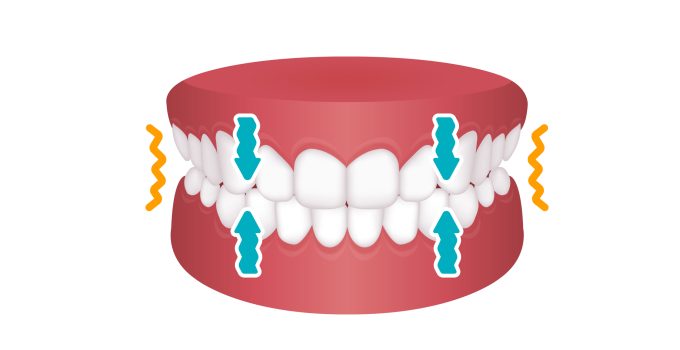
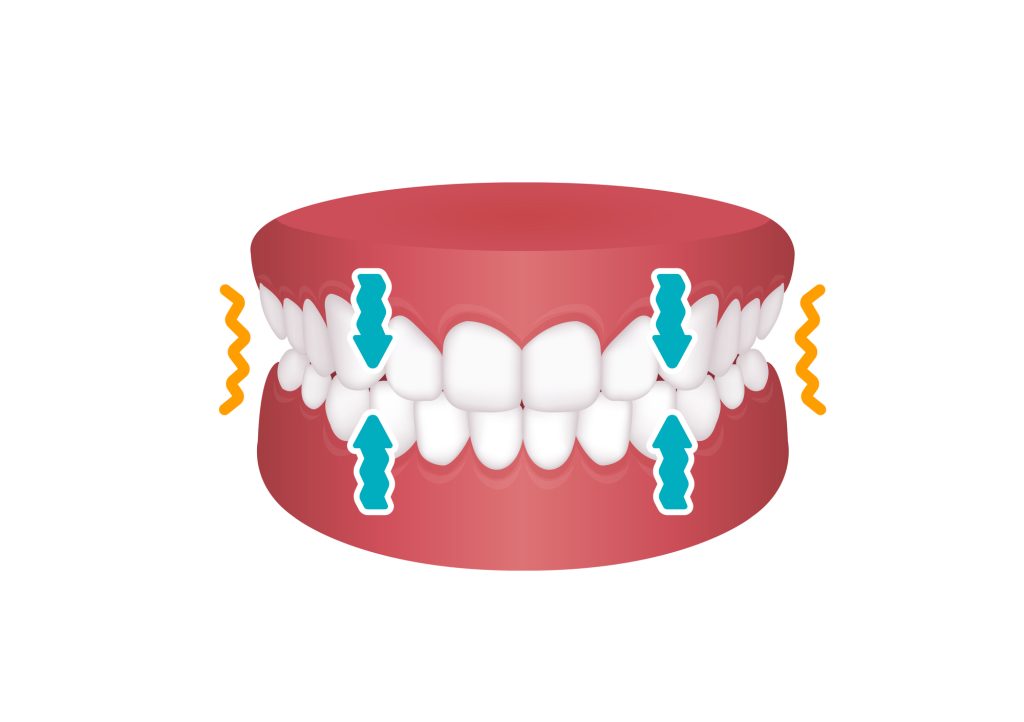
Bruxism, or jaw clenching, is a frequent ailment that causes teeth to grind or clench during sleep.

Bruxism, or jaw clenching, is a frequent ailment that causes teeth to grind or clench during sleep.

Jaw clenching, medically known as bruxism, is a common condition characterized by involuntary grinding or clenching of the teeth, often occurring during sleep. While the exact causes of bruxism vary, factors such as stress, anxiety, misaligned teeth, and certain medications can contribute to its onset. Chronic jaw clenching not only leads to dental issues but also contributes to headaches, jaw pain, and temporomandibular joint (TMJ) disorders. Fortunately, Botox, commonly associated with cosmetic enhancements, has emerged as an effective therapeutic option for managing jaw clenching. In this comprehensive guide, we’ll delve into the mechanisms of bruxism, explore the benefits of Botox for jaw clenching, and discuss its application as a therapeutic intervention.

Understanding Jaw Clenching (Bruxism)

Bruxism encompasses the involuntary grinding, gnashing, or clenching of teeth, often occurring during sleep. While occasional tooth grinding may not pose significant concerns, chronic bruxism can lead to a host of dental, muscular, and psychological issues. Common symptoms of bruxism include tooth wear, jaw pain, headaches, and TMJ disorders. The etiology of bruxism is multifactorial, involving a combination of psychological, physiological, and anatomical factors. Stress, anxiety, malocclusion, and sleep disorders are among the contributing factors implicated in bruxism development.

The Role of Botox in Managing Jaw Clenching

Botox, derived from the botulinum toxin, is widely recognized for its muscle-relaxing properties and is primarily used in cosmetic treatments to reduce wrinkles and fine lines. However, Botox’s therapeutic applications extend beyond aesthetics, encompassing various medical conditions, including bruxism. By inhibiting the release of acetylcholine, a neurotransmitter responsible for muscle contractions, Botox effectively relaxes the muscles involved in jaw clenching, thereby alleviating associated symptoms and complications.

Benefits of Botox for Jaw Clenching

  1. Muscle Relaxation: Botox injections target the masseter and temporalis muscles, the primary muscles involved in jaw clenching. Botox helps mitigate the intensity and frequency of clenching episodes by inducing muscle relaxation and reducing associated muscle tension and discomfort.
  2. Pain Relief: Chronic jaw clenching often leads to jaw pain, headaches, and TMJ disorders. Botox injections offer significant pain relief by attenuating muscle hyperactivity and alleviating tension-related symptoms, thereby enhancing overall comfort and well-being.
  3. Prevention of Dental Damage: Bruxism can result in tooth wear, fractures, and enamel erosion, necessitating extensive dental interventions. Botox therapy helps prevent dental damage by reducing the force exerted during clenching episodes, preserving tooth structure, and minimizing the need for invasive dental procedures.
  4. Improved Sleep Quality: Bruxism frequently occurs during sleep, disrupting sleep patterns and contributing to daytime fatigue. By reducing the severity of nocturnal clenching, Botox promotes better sleep quality, enabling individuals to experience restful and rejuvenating sleep without the interruptions caused by bruxism-related symptoms.
  5. Enhanced Quality of Life: The debilitating effects of bruxism extend beyond physical discomfort, impacting emotional well-being and quality of life. Botox therapy offers a holistic approach to bruxism management, addressing both the physical and psychological aspects of the condition and empowering individuals to enjoy a higher quality of life.

The Botox Procedure for Jaw Clenching

A skilled healthcare professional must follow a meticulous process when administering Botox injections for jaw clenching. During the procedure, the provider identifies the target muscles responsible for jaw clenching and administers precise injections into the masseter and temporalis muscles. The dosage and injection sites are customized based on the individual’s unique anatomy and treatment goals. Following the procedure, patients may experience mild discomfort and temporary swelling at the injection sites, which typically resolves within a few days.

Post-Treatment Care and Follow-Up

After receiving Botox injections for jaw clenching, patients are advised to adhere to post-treatment care guidelines to optimize treatment outcomes and minimize potential complications. This may include avoiding strenuous physical activities, refraining from excessive jaw movements, and applying ice packs to reduce swelling. Additionally, patients are encouraged to attend follow-up appointments to assess treatment efficacy, address any concerns, and determine the need for additional injections based on individual response and symptom severity.

Conclusion

Botox therapy offers a safe, effective, and minimally invasive approach to managing jaw clenching, relieving associated symptoms, and improving overall quality of life. Botox helps alleviate jaw pain, headaches, and dental complications by targeting the underlying muscle hyperactivity responsible for bruxism, enabling individuals to experience enhanced comfort and well-being. If you’re struggling with the debilitating effects of jaw clenching, consider consulting with a qualified healthcare professional to explore the potential benefits of Botox therapy and embark on the journey towards a healthier, more comfortable smile.

How Often to Get Botox: The Definitive Guide

Many people are turning to Botox as a way to get the appearance of younger, smoother skin.

Many people are turning to Botox as a way to get the appearance of younger, smoother skin.

In the quest for smoother, younger-looking skin, Botox has emerged as a popular solution for many individuals. Whether it’s to address wrinkles, fine lines, or certain medical conditions like migraines and TMJ disorder, Botox injections offer a way to temporarily relax muscles and rejuvenate the appearance. However, a common question that arises is, “How often should I get Botox?” Understanding the intricacies of Botox treatment frequency is essential for maximizing results and maintaining a fresh, youthful appearance. In this definitive guide, we’ll delve into the factors influencing Botox frequency and provide insights into crafting a personalized treatment schedule.

Understanding the Mechanism of Botox

Before delving into the frequency of Botox treatments, it’s crucial to grasp how Botox works. Each vial of Botox contains botulinum toxin, a neurotoxin that targets the nerve signals responsible for muscle contractions. By blocking these signals, Botox effectively relaxes the muscles, smoothing out wrinkles and fine lines. The results typically last for three to four months, during which the treated muscles remain in a relaxed state, reducing the appearance of dynamic wrinkles.

Initiating Botox Treatment: When to Start?

Contrary to popular belief, Botox isn’t reserved solely for individuals with moderate to severe wrinkles. Men and women in their late 20s and early 30s are increasingly embracing it as a defense against the early signs of aging. Moreover, individuals experiencing medical issues such as migraines, facial twitches, and TMJ disorder may benefit from Botox at a younger age, often as early as 18, to alleviate muscle overactivity.

The Impact of Single Botox Treatments

Some individuals opt for a single Botox treatment to gauge its efficacy or simply experience its effects temporarily. Results from a single treatment typically last between three and six months, depending on individual metabolism rates. Interestingly, subsequent Botox treatments tend to yield longer-lasting results, with fewer maintenance visits required over time. Therefore, while a single treatment offers a glimpse into Botox’s transformative potential, regular sessions optimize its benefits.

Maintaining Results: Frequency of Botox Maintenance

For those who wish to maintain the youthful effects of Botox, scheduling regular maintenance visits is paramount. A general rule of thumb dictates maintenance sessions every three to four months. However, as Botox gradually trains the muscles to relax, the frequency of maintenance visits may decrease over time. This personalized approach ensures sustained results while minimizing the need for frequent injections.

Tailoring Botox Frequency for Specific Areas

Different facial areas may require varying frequencies of Botox injections to achieve optimal results:

  • Forehead: Botox treatments targeting forehead wrinkles and lines typically necessitate visits every four months. These injections address both horizontal and vertical lines, enhancing the overall appearance of the forehead. Since cosmetic Botox is often elective, individuals should consider the associated costs when planning regular treatments.
  • Masseter (Cheek Muscles): Masseter Botox, aimed at relaxing the muscles in the cheeks, serves multiple purposes, including reshaping the face and alleviating TMJ-related symptoms. Patients suffering from TMJ disorder or migraines may find relief through regular Botox injections every three to four months. Moreover, health insurance coverage may apply in such cases, emphasizing the importance of consistent treatment to prevent muscle reactivation.

Long-Term Safety of Botox Use

Concerns regarding the long-term safety of Botox often arise due to its impact on muscle contractions. Long-term Botox use is, however, typically regarded as secure and efficient when carried out by licensed medical professionals. Risks and complications can be minimized through meticulous medical assessments and skilled administration. Contrary to misconceptions, prolonged Botox use rarely leads to muscle atrophy or facial sagging. By adhering to prescribed treatment schedules, individuals can enjoy the positive effects of Botox without compromising facial dynamics.

Conclusion

In conclusion, determining the optimal frequency for Botox treatments requires a personalized approach tailored to individual goals and preferences. Whether seeking cosmetic enhancements or therapeutic relief, regular Botox sessions offer a pathway to rejuvenated skin and improved well-being. By understanding the nuances of Botox treatment intervals and collaborating closely with knowledgeable practitioners, individuals can embark on a journey towards sustained youthfulness and confidence. Remember, the key to successful Botox outcomes lies in informed decision-making and consistent, quality care.

A Comprehensive Guide: How to Get Certified to Inject Botox

Completing the training course successfully is the most important step toward getting a Botox certification.

Completing the training course successfully is the most important step toward getting a Botox certification.

In the world of aesthetic medicine, Botox has emerged as a go-to solution for combating wrinkles and addressing various medical conditions. However, administering Botox injections is not a task to be taken lightly. It requires skill, knowledge, and, most importantly, proper certification. This comprehensive guide explores the process of becoming certified to inject Botox, from understanding the treatment to completing the necessary training.

Understanding Botox: A Brief Overview

It is crucial to comprehend the nature and function of Botox before proceeding with the certification procedure. Botox, made from botulinum toxin, is an injectable treatment that causes minimal discomfort and downtime. It works by momentarily reducing muscle contractions near the injection site by blocking nerve endings. Thanks to its calming effects on the muscles, it is an excellent choice for medical and aesthetic treatments.

Medical issues commonly addressed by Botox injections include neck pain, lazy eye, overactive bladder, excessive sweating, chronic migraine, and various other health problems related to muscle contraction. On the cosmetic front, Botox is used to diminish dynamic wrinkles caused by overactive facial muscles, such as crow’s feet, marionette lines, and nasolabial folds. Additionally, it can be utilized in procedures to improve facial asymmetry and create the appearance of lip augmentation.

The results of Botox treatments typically last between three and six months, depending on individual factors. To maintain the desired results, patients may opt for periodic injections.

Qualifications for Botox Training

Specific requirements must be met in order to obtain certification to administer Botox injections. Eligible candidates typically include:

  • Physicians
  • Physician assistants
  • Registered nurses (including nurse practitioners)
  • Dentists
  • Skincare specialists
  • Plastic surgeons
  • Other healthcare professionals with suitable medical qualifications

It’s important to note that the list of eligible professionals may vary depending on the geographical location. Therefore, individuals interested in pursuing Botox certification should verify the licensure requirements in their respective countries.

Acquiring Botox Certification: Step-by-Step Guide

Now that we understand the basics, let’s delve into the step-by-step process of acquiring Botox certification:

Step 1: Find a Suitable Botox Training Course

The first step is to research and identify a reputable Botox training course that aligns with your professional needs and goals. With the rising popularity of Botox treatments, there is no shortage of training programs available. However, it’s crucial to select a course that provides comprehensive education and practical experience.

When evaluating potential courses, consider factors such as accreditation, course curriculum, faculty expertise, hands-on training opportunities, and post-course support. Additionally, ensure that the course meets any specific requirements set forth by regulatory bodies or professional organizations.

Step 2: Meet Course Requirements and Enroll

Once you’ve identified a suitable training course, carefully review the eligibility requirements. In addition to holding a valid medical license, some courses may require additional certifications or a minimum level of clinical experience. Ensure that you fulfill all prerequisites before proceeding with enrollment.

Step 3: Complete the Course

The most critical step in obtaining Botox certification is successfully completing the training course. During the program, you will receive comprehensive instruction on various aspects of Botox administration, including treatment techniques, facial anatomy, patient assessment, injection protocols, and safety measures.

Hands-on training sessions are typically incorporated into the curriculum, allowing participants to practice their injection skills under the guidance of experienced instructors. Additionally, participants will learn how to recognize and manage potential adverse reactions or complications associated with Botox injections.

Upon fulfilling all course requirements and demonstrating proficiency in Botox administration, participants will receive their certification. This certification validates their competence and qualifies them to administer Botox injections to patients legally.

Final Thoughts

Obtaining Botox certification is a rigorous process that requires dedication, commitment, and ongoing education. However, it opens the door to a rewarding career in aesthetic medicine, with ample opportunities for professional growth and advancement.

Whether you’re a physician, nurse, dentist, or skincare specialist, investing in Botox training can expand your skill set and enhance your practice. By following the steps outlined in this guide and choosing a reputable training program, you can embark on a journey towards becoming a certified Botox injector and making a positive impact on the lives of your patients.