


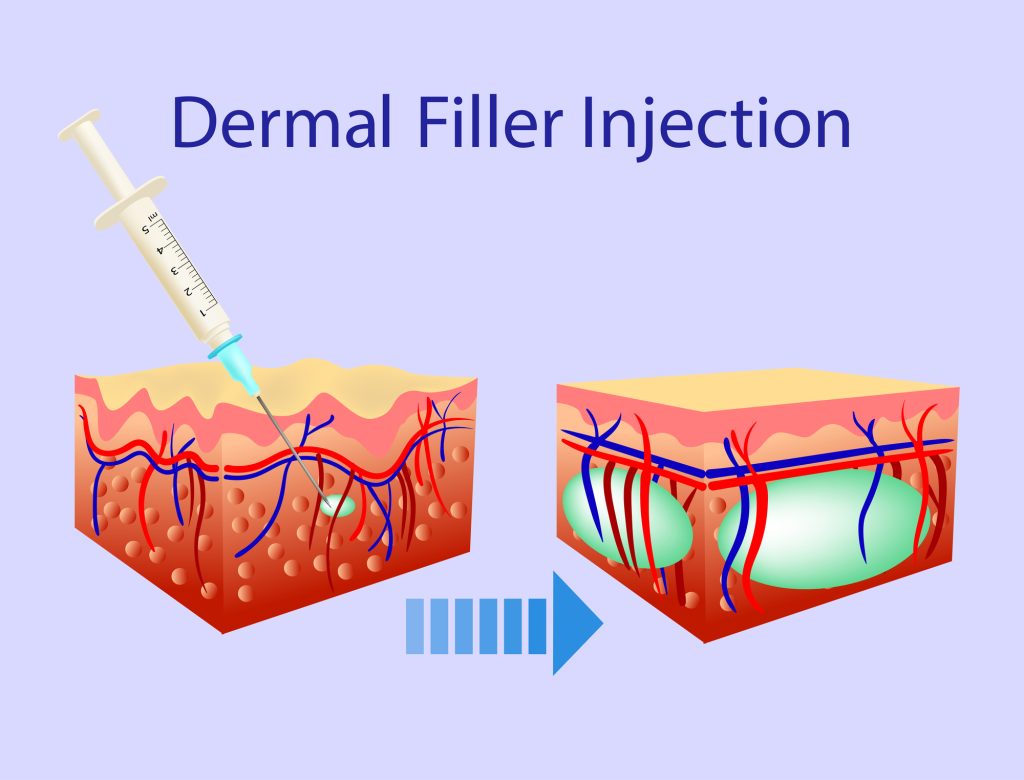
Dermal fillers have long been a popular cosmetic treatment.
In the ever-evolving landscape of cosmetic enhancements, dermal fillers have long held a prominent place. These injectable treatments have been instrumental in rejuvenating facial features, smoothing wrinkles, and enhancing volume for decades. However, with the emergence of new techniques and technologies, questions have arisen about the continued relevance of dermal fillers in the realm of aesthetic procedures. Are they going out of fashion, or do they still have a significant role to play? This article explores the evolution of dermal fillers, their current status in the aesthetics industry, and the factors shaping their future.
The Rise of Dermal Fillers
Dermal fillers have a rich history dating back to the late 19th century, when paraffin injections were used for soft tissue augmentation. However, it wasn’t until the 1980s that modern injectable fillers made their mark with the introduction of collagen-based products. The short duration and potential for allergic reactions of these early fillers limited their ability to temporarily increase facial volume.
The landscape changed dramatically with the development of hyaluronic acid (HA) fillers in the late 1990s. HA, a naturally occurring substance in the body, offers several advantages over collagen, including longer-lasting results and a reduced risk of adverse reactions. As a result, HA fillers quickly gained popularity and became the gold standard for non-surgical facial rejuvenation.
Throughout the early 2000s, dermal fillers continued to evolve, with manufacturers introducing variations in HA formulations to address specific aesthetic concerns. From treating fine lines and wrinkles to enhancing lip volume and restoring facial contours, fillers have become increasingly versatile, catering to diverse patient needs.
The Peak of Popularity
By the late 2000s and early 2010s, dermal fillers had reached unprecedented levels of popularity. Celebrities openly endorsed their use, social media influencers documented their treatment experiences, and clinics worldwide reported a surge in demand for injectable procedures. With advancements in injection techniques and an expanding array of filler options, patients had more choices than ever before when it came to enhancing their appearance.
One of the key drivers of this popularity was the minimally invasive nature of dermal fillers. Unlike surgical procedures, which often entail lengthy recovery periods and carry inherent risks, fillers offer immediate results with little to no downtime. Patients could undergo treatment during their lunch break and return to their daily activities with subtle yet noticeable improvements in their appearance.
Furthermore, the cultural shift towards embracing beauty diversity played a significant role in normalizing cosmetic enhancements, including dermal fillers. Instead of striving for unattainable standards of perfection, individuals sought treatments that preserved their unique features while addressing specific concerns, such as volume loss or age-related changes.
Challenges and Criticisms
Despite their widespread acceptance, dermal fillers have not been without controversy. Concerns have been raised regarding the overuse of fillers, leading to an unnatural or exaggerated appearance commonly referred to as “overfilling” or “filler fatigue.” In some cases, inexperienced injectors or individuals seeking extreme transformations have contributed to negative perceptions of fillers within the aesthetic community.
Additionally, there have been reports of complications associated with filler injections, including vascular compromise, tissue necrosis, and allergic reactions. While such adverse events are relatively rare, they underscore the importance of seeking treatment from qualified, experienced practitioners who prioritize patient safety.
Another criticism leveled against dermal fillers relates to their temporary nature. While HA fillers offer longer-lasting results compared to collagen-based alternatives, they still require periodic touch-up treatments to maintain optimal outcomes. Some patients may view this ongoing maintenance as a drawback, preferring more permanent solutions such as surgical interventions or implant-based procedures.
The Shift Towards Preventative and Proactive Aesthetics
In recent years, the aesthetics industry has seen a noticeable shift towards a more holistic approach to beauty maintenance. Instead of waiting until signs of aging become pronounced, more individuals are opting for preventative treatments to preserve youthful features and slow down aging.
This shift encompasses various non-invasive modalities, including skincare regimens, laser treatments, and injectables such as botulinum toxin (Botox). Unlike dermal fillers, which primarily address volume loss and structural changes, Botox targets dynamic wrinkles caused by repetitive muscle movements. By relaxing specific facial muscles, Botox can prevent the formation of lines and wrinkles, making it a popular choice for both younger and older demographics.
The Future of Dermal Fillers
Despite the emergence of alternative modalities and the changing landscape of aesthetic preferences, dermal fillers are unlikely to become obsolete any time soon. Their versatility, predictability, and ability to deliver immediate results remain unparalleled, making them a cornerstone of non-surgical facial rejuvenation.
Moreover, ongoing research and innovation in filler technology continue to drive advancements in product safety, longevity, and patient satisfaction. From biodegradable fillers with extended durations to customizable formulations tailored to individual anatomical nuances, the future holds promise for further refinement and improvement in filler options.
However, the future success of dermal fillers hinges not only on technological advancements but also on the responsible practice of aesthetic medicine. Clinicians must prioritize patient education, personalized treatment planning, and ethical standards to ensure optimal outcomes and mitigate the risk of complications.
Conclusion
In conclusion, while the aesthetics landscape may be evolving, dermal fillers remain a cornerstone of facial rejuvenation and enhancement. Their versatility, safety profile, and immediate results make them a preferred choice for patients seeking non-surgical solutions to aging concerns.
However, the increasing emphasis on preventative aesthetics and the emergence of alternative modalities signal a broader shift towards holistic beauty maintenance. As the field continues to evolve, it is essential for clinicians to adapt to changing patient preferences and embrace innovation while upholding the highest standards of patient care and safety.
Ultimately, dermal fillers may evolve and diversify, but their enduring appeal lies in their ability to empower individuals to look and feel their best, one injection at a time.